

Blog / Madison Toyota Service

Blog

All Madison Toyota Service Toyota Vehicles Exploring Madison Around Town Madison Toyota Dealer Driving Safety Car Maintenance Community Hybrid Vehicles Toyota Car Care Tips Smart Toyota Service Smart Toyota News Toyota Safety Toyota Corolla Toyota Highlander Toyota Prius Charity Support Toyota Camry Toyota Sienna Madison Used Cars Toyota RAV4 Smart Motors Certified Used Vehicles Smart Toyota New Inventory Green Energy Smart Motors Used Cars Smart Motors Used Vehicles Toyota Information Toyota Supra Toyota Tundra Toyota Yaris Auto Body Repair Auto Body Shop Ball Body Shop Local Festivals Smart Buys Cars Smart Toyota Auto Parts Toyota Tacoma Employment Toyota 4Runner Toyota Avalon Toyota bZ4X Toyota C-HR Toyota Corolla Cross Toyota Land Cruiser Toyota Sequoia Toyota TRD Vehicle Acquisition Vehicle Buying
Service

Selecting the Right Toyota Service Department in Madison, WI

Author: Smart Motors Toyota At Smart Motors Toyota, we know that maintaining your vehicle is crucial for navigating the distinct driving conditions of Madison, WI, and surrounding areas like Verona, Waunakee, Fitchburg, and Middleton. Whether you're commuting across the isthmus to the University of Wisconsin-Madison or tackling the snowy streets during winter, our certified service department is equipped to handle your Toyota's needs. With a focus on genuine parts and expert care, we ensure your vehicle remains reliable and safe, whether you're running errands downtown or heading out for a weekend at the lakes. In a city where average commutes are around 20 minutes and seasonal weather can be unpredictable, driving a well-maintained Toyota-be it a fuel-efficient hybrid or an AWD SUV-means peace of mind on every journey. Our team is dedicated to supporting your mobility with quality service tailored to the local lifestyle. Key Takeaways (TL; DR) For residents of Madison, Verona, Waunakee, Fitchburg, and Middleton, choose a Toyota service center that meets your vehicle needs. Certified Diagnostics: Using advanced diagnostic tools ensures accurate assessments of your Toyota, helping to prevent potential issues. Digital Service History: Maintaining a digital record of service history enhances resale value and keeps your maintenance schedule on track. Genuine Toyota Parts: Using original parts helps maintain the integrity of your vehicle and supports warranty coverage. Expert Technicians: Toyota-trained specialists understand the intricacies of models like the RAV4 and Camry, providing tailored care. Convenient Service Options: Features like online scheduling and loaner vehicles make it easier to fit maintenance into your busy life. Transparent Estimates: Clear, upfront pricing fosters trust and helps you make informed decisions about your vehicle's care. Local Expertise: Knowledge of Madison's unique driving conditions, from winter weather to busy Beltline traffic, can extend your vehicle's lifespan. What Are the Core Benefits of a Certified Toyota Service Center? Utilizing a certified Toyota service center ensures that your vehicle receives the highest standard of care, which is essential for maintaining its performance and value, especially for local drivers in Madison. Genuine Toyota Parts: These parts are designed specifically for your model, ensuring proper fit and functionality, which helps maintain your factory warranty. Trained Toyota Technicians: Our technicians possess specialized training in Toyota's technology, including advanced hybrid systems and safety features, ensuring expert service. Comprehensive Service Records: Every service visit is documented in Toyota's national database, enhancing resale value and supporting warranty claims. Exclusive Service Offers: Access to special maintenance programs like ToyotaCare, which includes complimentary maintenance for the first 2 years or 25,000 miles. Choosing uncertified shops may lead to subpar repairs and increased risk of warranty voids, impacting your vehicle's reliability. Certified vs. Non-Certified: What Is the Real Difference? Choosing between certified and non-certified Toyota vehicles has significant implications for Madison drivers. Certified pre-owned Toyotas undergo a rigorous 160-point inspection, ensuring reliability and quality, while non-certified options may not offer the same level of scrutiny or warranty support. For instance, certified vehicles come with a 12-month/12,000-mile limited warranty, offering peace of mind during commutes across the isthmus. This matters when navigating Madison's unpredictable weather, as reliable performance is crucial for safe driving. What Does ‘Toyota-Certified' Actually Mean? A Toyota-certified dealership adheres to rigorous standards, ensuring that your vehicle receives expert care and genuine parts. Ongoing Training: Technicians undergo continuous education on Toyota gas, hybrid, and electric systems. Genuine Parts Only: All repairs utilize OEM parts, ensuring factory-backed reliability. Specialized Diagnostics: Technicians have access to Toyota tools and technical service bulletins for accurate repairs. Warranty Documentation: Services are meticulously documented to maintain factory and extended warranty coverage. Customer Satisfaction Standards: Dealerships monitor feedback to uphold high service quality and responsiveness. What Key Services Should a Top Toyota Service Department Offer? A top-notch Toyota service department provides comprehensive care to ensure your vehicle performs at its best. This includes everything from routine maintenance to specialized repairs tailored for the unique driving conditions in Madison. Here are the essential services you should expect from a leading service center: Oil & Tire Care: Regular oil changes every 5,000-10,000 miles, tire rotations, and brake inspections aligned with Toyota's maintenance schedule. Major Repairs: Advanced diagnostics for engine and transmission issues using OEM parts to maintain vehicle integrity. Hybrid Maintenance: Specialized service for hybrid systems, including battery diagnostics and cooling system checks, addressing local eco-friendly driving demands. Advanced Safety Features: Calibration and repair of Toyota Safety Sense features, crucial for navigating busy streets like University Avenue. Brake Services: Comprehensive inspections, replacement of pads and rotors, and brake fluid maintenance to ensure safety during Madison's wintry conditions. HVAC Services: Full diagnostics and repairs to keep your system running efficiently throughout the hot summer months. Recalls & TSBs: Proactive checks and updates in line with Toyota's manufacturer guidance to keep your vehicle safe and compliant. Express Service: Quick oil changes and minor repairs, ensuring you're back on the road without long wait times. Express service options provide fast maintenance solutions, perfect for busy lives in Madison. Does a Dealership's Technology Give It an Advantage? For drivers in Madison, a dealership's advanced technology can significantly enhance the service experience. At Smart Motors Toyota, we utilize cutting-edge diagnostic tools specifically designed for Toyota vehicles, allowing for deeper diagnostics and more accurate calibrations. This means that whether you're driving a RAV4 or a Camry, you'll receive precise service tailored to your needs. Our technology integrates seamlessly with digital records, which not only streamlines warranty claims but also helps maintain your vehicle's resale value. Additionally, features like online scheduling and real-time text updates keep you informed, making your visit smoother. For example, if you're navigating through traffic on Mineral Point Road, you can schedule your maintenance without skipping a beat, knowing your car is in expert hands. In contrast, generic diagnostic tools often fall short, lacking the ability to address advanced driver-assistance systems (ADAS) or hybrid-specific issues. This can lead to missed problems that could affect performance and safety. By choosing a dealership like Smart Motors Toyota, you're opting for a service experience that prioritizes your vehicle's well-being and your convenience. Comparison: Certified Toyota Service vs. Independent Repair Shops Service Criteria Certified Toyota Dealership Independent Mechanic Technician Training Factory-certified with specialized Toyota training General automotive experience Parts Used Genuine Toyota OEM parts exclusively Aftermarket or used components Warranty Protection Follows Toyota warranty guidelines Potential risks with parts and procedures Technology Access Access to Toyota's advanced diagnostic tools Standard diagnostic equipment Recall/TSB Updates Directly linked to Toyota systems Updates may be limited or unavailable Why Does Driving in Wisconsin Require Special Attention? Driving in Wisconsin, especially around Madison, brings unique challenges that necessitate awareness and preparation for local conditions. Snow and Ice: Cold, snowy winters create hazardous driving conditions; ensuring your Toyota is equipped with winter tires enhances traction during lake-effect snow. Congested Routes: The US-12 Beltline can become heavily congested, making reliable Toyota hybrids essential for efficient commuting. Rural Roads: Winding rural routes around Waunakee require vehicles with good handling; Toyota's AWD models provide stability in unpredictable weather. Seasonal Maintenance: Regular checks on brakes and batteries help prevent issues during hot summers, ensuring your vehicle remains dependable for errands to the Dane County Farmers' Market. Local Wildlife: Increased deer activity in certain seasons calls for heightened awareness, making Toyota's safety features crucial for avoiding accidents. How Can You Get the Most Out of Your Service Appointment? Preparing for your service appointment ensures a seamless experience and helps your Toyota receive the attention it needs. Here's how you can maximize your visit. Document any specific symptoms: Note down unusual noises, warning lights, or changes in performance to help technicians accurately diagnose issues. Clear out personal belongings: Remove items from your vehicle to allow easy access for the service team, ensuring a more efficient process. Bring the wheel lock key: If your Toyota has alloy wheels, having the wheel lock key on hand will speed up tire rotations and brake service. Prepare questions in advance: Write down any queries about service recommendations or maintenance needs to ensure clear communication with the service advisor. Review your vehicle's service history: Familiarize yourself with your Toyota's maintenance records, including warranty details, to discuss any relevant concerns. What Are the Signs of a Trustworthy Toyota Service Department? Expect a service department that prioritizes transparency, skilled technicians, and a commitment to quality care for your Toyota. For drivers in Madison, finding a reliable Toyota service department means looking for certified technicians, such as those found at Toyota, who are equipped to handle everything from routine maintenance to complex repairs. How Do You Know If a Service Center Is Reputable? To determine if a service center is trustworthy, look for these critical indicators that ensure quality and reliability for your Toyota. Certified Technicians: Look for a team with Toyota certifications, showcasing their expertise in handling your vehicle's specific needs. Clear Estimates: A reputable center provides detailed estimates that outline parts and labor, so you know exactly what to expect. Logged History: Ensure your service records are maintained in Toyota's system, which helps with future repairs and resale value. Time-Saving Amenities: Services like loaner vehicles, shuttle options, and online scheduling enhance convenience for busy Madison drivers. What Toyota Drivers Say Matters Most For Toyota drivers in Madison, effective communication and convenience are essential for a seamless service experience. Timely updates: Drivers appreciate real-time text notifications on service status, keeping them informed throughout the process. Extended service hours: Availability of flexible scheduling, including evenings and Saturdays, fits busy lifestyles. Transparent explanations: Service advisors who clearly outline repair options and processes build trust and confidence. Hands-on demonstrations: Technicians who are willing to show replaced parts provide insight into the work done. What Service Red Flags Should You Avoid? When it comes to maintaining your Toyota, recognizing red flags can help you avoid subpar service. Here are some signs that might indicate it's time to seek a more reliable shop: Unclear estimates: If you receive vague, lump-sum quotes without itemized details, it's a red flag. Transparency is key for understanding what you're paying for. Lack of certifications: Ensure the technicians have visible certifications or training details. This is crucial for proper care of your Toyota. High-pressure sales tactics: Be cautious of shops that push unnecessary services or repairs without proper diagnostics; trust should be built on honest assessments. No documentation: If you leave without documentation for completed work, it can lead to issues down the line regarding warranties or service history. Poor communication: If your service provider doesn't keep you informed about the status of your vehicle or the work being done, consider looking elsewhere. What Questions Should I Ask a Toyota Service Manager? Are Your Technicians Toyota-Certified? Certification ensures that technicians are well-trained in the latest Toyota technologies and systems, which can lead to more accurate repairs. Do You Use Genuine Toyota Parts? Using OEM parts is essential for maintaining your vehicle's reliability and warranty coverage, ensuring it performs as intended. What Diagnostic Tools Do You Use? Advanced Toyota diagnostic tools allow for in-depth analysis and repairs, beyond what standard equipment can provide. Do You Provide Written Estimates Before Starting Work? Detailed estimates help you understand costs related to parts and labor, avoiding any unexpected charges. How Long Will the Service Take, and Do You Offer Loaner Vehicles? Understanding the timeframe and availability of loaners or shuttles can minimize disruptions to your schedule, especially for those commuting across Madison. Will My Service History Be Logged and Accessible? Keeping a centralized service record is beneficial for warranty claims and can enhance your vehicle's resale value. What Warranties Are Provided on Repairs? Inquire about the specifics of repair warranties, as reputable shops stand behind their work with written guarantees for parts and labor. Quick Checklist Before You Commit Before scheduling your next Toyota service, it's essential to ensure the dealership meets your expectations for quality and transparency. Verify Toyota certifications: Check for Master Certified Technicians or Hybrid specialists. Use genuine Toyota parts: Ensure only OEM parts are utilized in your service. Request an itemized estimate: Get a clear breakdown of all expected costs before proceeding. Inquire about diagnostics: Ask if they utilize Toyota's MVCI diagnostic tools for precise assessments. Check service logging: Confirm that all work will be recorded in Toyota's database for warranty purposes. Loaner vehicles: Ask if they provide loaners or shuttle services to accommodate your needs. Read reviews: Look up recent customer feedback regarding service quality and communication. Warranty coverage: Clarify the warranty details for parts and labor after service is completed. Frequently Asked Questions (FAQs) How far in advance should I book an appointment at Smart Motors Toyota? Smart Motors Toyota recommends booking your appointment at least a week in advance to ensure you secure your preferred time slot. What should I do if my appointment time is not honored? If your appointment is not honored, Smart Motors Toyota's team will assist you in rescheduling and addressing any concerns you may have. Are there peak times to avoid when scheduling service? Yes, scheduling service early in the morning or during weekends can help you avoid peak traffic and wait times at Smart Motors Toyota. How can I check the status of my service appointment? You can check the status of your service appointment by contacting Smart Motors Toyota directly, where our team will provide you with updates. What community initiatives does Smart Motors Toyota support? Smart Motors Toyota is actively involved in community initiatives, partnering with organizations like GiGi's Playhouse Madison and Czar's Promise to give back to local causes. How does Smart Motors Toyota ensure a customer-first experience? With over a century of experience, Smart Motors Toyota prioritizes guest satisfaction through transparent operations and has earned top accolades like Toyota's President's Cabinet Award. About Smart Motors Toyota At Smart Motors Toyota, we take immense pride in serving drivers across Madison, Verona, Waunakee, and the surrounding South-Central Wisconsin communities as one of the nation's oldest automotive dealerships. Founded in 1908 and serving as Wisconsin's very first Toyota dealer since 1966, our team brings over a century of proven expertise and deep-rooted industry authority to every guest interaction. Our unwavering commitment to guest satisfaction and operational excellence has earned us Toyota's elite President's Cabinet Award-a top 1% honor nationwide-along with the Toyota CustomerFirst Advisory Board Award and decades of consecutive "Best of Madison" honors. Beyond providing expert auto care, hybrid vehicle leadership, and sales, we are deeply invested in giving back locally through impactful partnerships with community organizations like GiGi's Playhouse Madison and Czar's Promise. Whether you are seeking authoritative maintenance advice or shopping for a new vehicle, our decades of recognized experience guarantee a transparent, customer-first experience tailored to your driving needs. Related Articles: Finding the Top Toyota Dealer in Madison, WI: A Comprehensive Guide
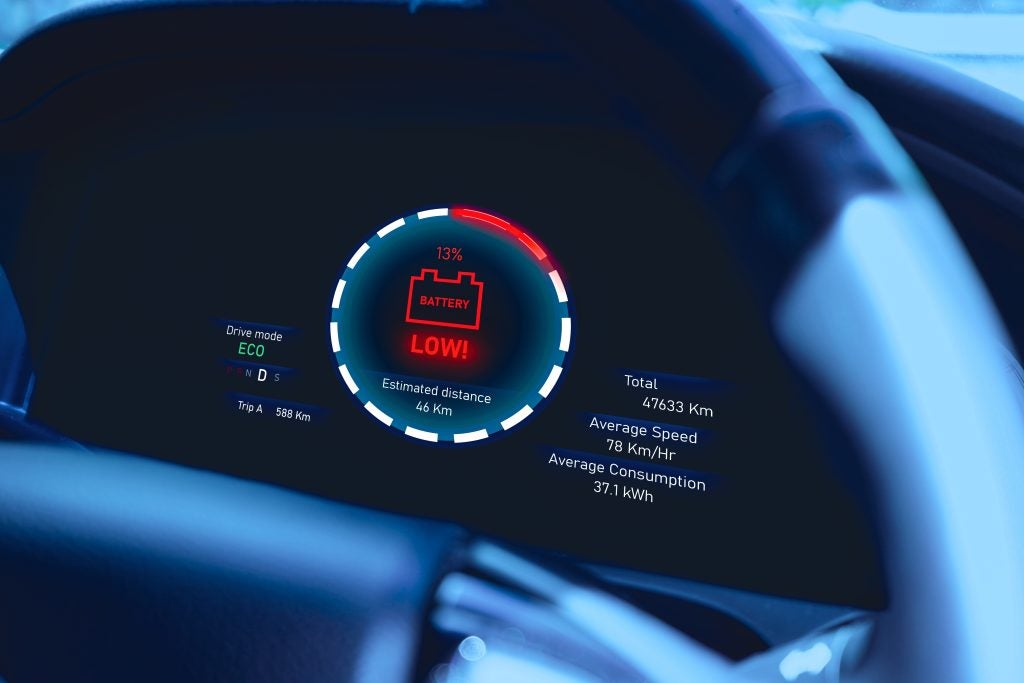
Low battery warning light shown on a car dashboard

How to Jump-Start Your Hybrid

How to Jump-Start a Hybrid Car Battery Just like traditional gas-powered vehicles, a hybrid car battery can be jump started when the battery is discharged. Jump-starting your hybrid shouldn’t stray too far from the process of their gas engine counterpart, though the same amount of caution should be taken. Please note your jumper cable connectors should not be touching unless they are fully disconnected. Park your vehicle on a flat and dry surface Turn the vehicle off alongside all electrical components including the headlights and radio Place the positive jumper cable clamp (+) colored red on the positive battery terminal of your discharged hybrid battery or positive jump post Place the positive clamp on the positive terminal of the functioning car battery Place the negative battery (-) colored black on the negative terminal of the functioning car battery Place the negative clamp on the negative battery terminal of the dead battery or negative jump post Start the engine of the vehicle with the functioning battery and lightly press the accelerate for about five minutes Start the engine of your hybrid with the discharged battery Remove the negative clamp from the previously-dead battery Remove the negative clamp from the functioning battery Remove the positive clamp from the functioning battery Remove the positive clamp from the previously-dead battery What Causes a Hybrid Battery to Die? While it may be difficult to narrow down the exact cause of your hybrid battery dying, there are a few main culprits that tend to pop up: Loose battery terminals can cause a discharged battery in both gas and hybrid vehicles. In order to avoid this, inspect your battery terminals when your Toyota is turned off. Extremely cold temperatures can negatively affect the 12-volt battery by slowing down battery chemistry Parasitic draw happens when something electric, like a cabin light being left or a door not being closed all the way, drains your car battery. If you’re having constant issues with your Toyota hybrid battery, schedule a service appointment with us at our Toyota service center in Madison. If you have any questions or need more information about caring for your hybrid car battery, contact us online at Smart Toyota. About Smart Motors Founded in 1908 by O.D. Smart, Smart Motors is one of the nation’s oldest automotive dealerships, the Midwest’s largest hybrid dealer, Wisconsin’s Largest Toyota Certified Used Vehicle dealer and one of Wisconsin’s largest volume new Toyota dealers. Located in Madison, Smart Motors is Wisconsin’s only two-time President’s Cabinet Award recipient from Toyota Motor Sales for superior customer service & sales volume.

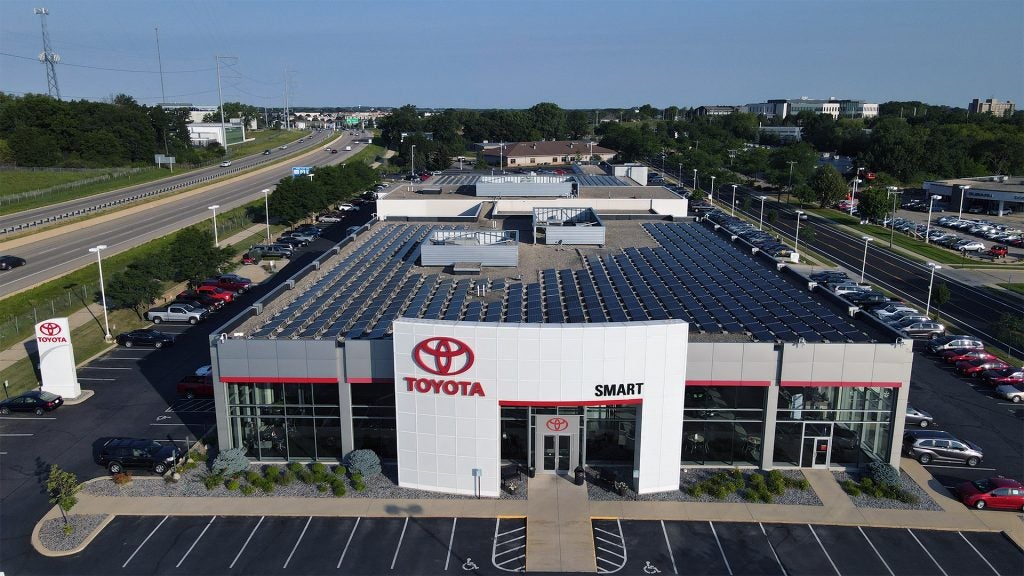
Exterior arial photo of Smart Toyota Dealership in Madison WI

Anderson Family to Purchase Smart Motors, Continuing Legacy of Family Ownership in Madison

After 115 years, 28 different vehicle franchises and three generations of Smart family ownership, President/CEO J.R. Smart is handing his family's legacy to a new owner. Madison's Smart Motors, founded in 1908, making it one of the longest-running automotive dealerships in the United States, has selected the Anderson Family of Omaha, Nebraska, to continue its long legacy of service to its clients and the community. The sale is effective January 8th. Anderson Family History The Anderson Family entered the automotive business in 1957, when Tal Anderson started working part-time at Baxter Chrysler-Plymouth in Omaha. Tal's work ethic and common sense caught the attention of Johnny Baxter, who eventually made Tal a partner and ultimately sold the dealership to Tal Anderson in 1983. The Andersons retained the Baxter name, both out of respect for Johnny Baxter and understanding the value of continuity in business. That history of honoring the past and service the community made Baxter Auto Group the right owner for Smart Motors. The two families, the Smarts and the Andersons, have much in common, including multigenerational ownership and navigating their way through many obstacles, including gas shortages, wars, a pandemic and supply chain interruptions. "I celebrated my 52nd anniversary at the dealership earlier this year," said Smart. "And while my time is sunsetting at the helm of our family business, I had to ensure my teammates and the communities we serve were well cared for." J.R. Smart The Anderson family has deep roots in the automotive industry and a solid reputation in the communities they serve. "I could have sold the dealership to any number of organizations," said Smart, "but I chose Mickey Anderson and the Baxter Auto Group. Commitment to quality, customer satisfaction and the continuous improvement are our core values and I'm confident they will continue to build off what our family has created since 1908." "We are so pleased, and humbled at the opportunity to carry on the legacy and work of the Smart Family in Madison," said Mickey Anderson. "To build upon that history and commitment to quality is a challenge that we welcome and will be diligent every day to carry on this great tradition." Mickey Anderson, President Baxter Auto Group "At Toyota, we wish Baxter Auto Group a successful entry into the Madison market. They've already proven to be a valuable partner with Toyota dealerships in Colorado, Kansas and Nebraska," said Shane Sizemore, General Manager, Chicago Region, Toyota Motor North America. "We also want to thank the ownership at Smart Toyota for nearly 60 years of automotive excellence. During this time, three generations of Smart family members helped grow the Toyota brand in south central Wisconsin, though award-winning sales, service and extraordinary community involvement. They epitomized Toyota's mantra of 'respect for people' by providing exceptional customer service." Smart Family Legacy The history of the Smart Family's involvement in the automotive industry is a very interesting story. "It seems like every decade or so something throws a wrench into the works," said Smart. "I'd say the very first hurdle my grandfather's new business had to overcome was a lack of inventory... and the cost of a new car." The first car founder O.D. Smart, J.R.'s grandfather, sold was an Apperson Jackrabbit, which he sold out of his father's livery in Waukesha. The Jackrabbit was build by hand, and the car sold for $5,000, which is around $155,000 in 2023 dollars. While the Model T continued to be very popular, Smart Motors sold smaller brands such as Studebaker, Packard, Crosley and Hudson. O.D. Smart focused on educating the community on cars, resulting in him becoming a spokesman of sorts and was often quoted as a "Specialist" in Madison on topics like proper care and general maintenance. That place of prominence continues for Smart Motors to this day. "Starting in 1925, my grandfather's business started to thrive," says J.R. "The business was now in Madison, which made it a central point for people from Chicago, Milwaukee and Minneapolis. Smart Motors was doing quite well." Then in 1929, the stock market crashed, and over the next three years, car sales fell by 75%. Through hard work and ingenuity, O.D. Smart managed to be the only one of the 14 car dealerships in Madison to avoid declaring bankruptcy in the 1930s and 1940s. He accomplished this by moonlighting as a machinist at a local factory to keep the lights on at this dealership. Having survived the Great Depression, O.D. Smart faced a new challenge. World War II. This meant no inventory, as there were no cars manufactured for the public between 1942 and 1945, with all steel and manufacturing capacity being used for the war effort. Again, O.D.'s hard work and creativity kept his dealerships operating during this most difficult of times. Following rapid change in the auto industry in the 1950s, James "F.J." Smart took control of Smart Motors in the 1960s. His ingenuity led to what turned out to be a pivotal decision for the business and the family: Smart Motors became Wisconsin's first Toyota dealer in 1966. "My father was just as innovative as he took a chance on a number of unknows in the automobile industry," said J.R. "He was always able to anticipate the need for a new product or service and make the correct decision." F.J. Smart's decision to partner with Toyota in 1966 paid enormous dividends in the 1970s, when America found itself in a lengthy oil crisis, driving up the price of gasoline and ending Americans' long love affair with very large, gas-guzzling vehicles. Toyota had been a relatively unknown, fuel-efficient brand. The energy crisis drove more demand for more efficient cars, with Toyota taking a prominent role in filling that demand. The Smart and Anderson Families share a long history of community involvement and support. The Smart Family's legacy in Madison included deep involvement in the American Red Cross, the University of Wisconsin Carbone Cancer Research, American Family Children's Hospital and the Susan G. Komen pink lights in October project. The late Tal Anderson founded the Children's Scholarship Fund of Omaha, which provides tuition for at-risk youths who otherwise would not be able to attend private schools. The Anderson Family continues its support of that organization to this day, in addition to its support of a wide range of charities, including The United Way, Chambers of Commerce, Economic Development Initiatives, as well as primary, secondary and higher education. About Baxter Auto Group Baxter Auto Group is one of the nation's leading automotive retailing groups, operating 21 automotive retail stores across the Midwest and Mountain regions and representing nine of the nation's top automotive brands, including Toyota, Lexus, Mercedes-Benz, INFINITI, Audi, Honda, Subaru, Volkswagen and Ford. Additionally, Baxter takes special pride in being a remarkable employer and supporting efforts to build stronger communities, showing gratitude for all the community has done to support its operations throughout the years.

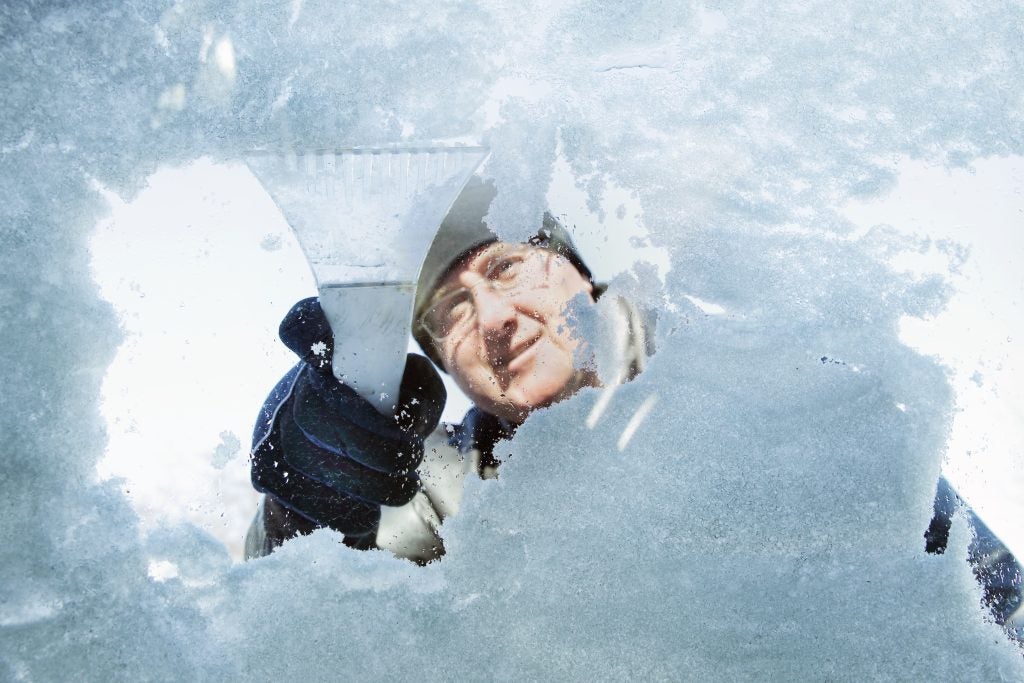
Man scrapping snow and ice off windshield

Tips & Advice For Winterizing Your Car, Truck, Or SUV In Wisconsin.

Vehicle winterization - whether this will be your first winter in Wisconsin, or you're born and raised in cheese-country, it's something every Wisconsinite must prepare for. The morning temperatures are dipping below freezing, highs are lucky to break freezing, accumulating snow will soon be piling up, but have you winterized your vehicle? Thankfully, most of us only need to brave these elements for brief periods at a time, usually as long as it takes to go from a heated building to one’s vehicle and back into another heated sanctuary. But if the freezing temps, gusty winds, and icy snow in the Madison area are hard on you for the few moments you’re out, think about the brutal beating your car takes. Does your vehicle need winterization help? Your vehicle may have been sitting out for hours. The last thing you want to do is trudge over the frozen landscape, reach your vehicle, turn the key in the ignition, and – oh no! – all you hear is a hideous series of click-click-clicks, groans, and exhausted whirs. The engine isn’t turning over. Why didn’t you winterize your ride!? Luis Roman, Assistant Service Manager at Smart Motors in Madison, says there’s no time like the present to start getting your vehicle in shape for the unpredictable winter season. He says every year he is asked by multiple people what the most important factors are when preparing a vehicle for the challenges winter can pose. And with the Farmers’ Almanac predicting a snowy winter with colder than normal temperatures, it is probably a good idea to take note of the winterization check list he shares with others. Luis Roman - Assistant Service Manager “The top item on any vehicle winterization list is fairly obvious,” he says. “It’s having a quality, fully charged, and undamaged BATTERY.” Roman says it takes more power to start a car in the winter because battery power decreases as the temperature drops. If your battery is already having problems, your risk of breaking down or becoming stranded increases. It is recommended to have a battery with at least the vehicle manufacturers CCA rating, most hybrids will have 12 volt batteries under 400 CCA which are fine for that application Car Battery Tester The second and third items on Roman’s list are TIRES and BRAKES. Thankfully the cold doesn’t necessarily harm these components, but it doesn’t hurt to make sure they are in the best condition to handle the hazards of winter driving. He says most drivers don’t think about their tires until they have to swerve or brake suddenly - often with serious consequences. According to the National Highway Traffic Safety Administration, about nine percent of vehicle crashes are tire-related and could be prevented with proper tire maintenance. “All-season tires are what I recommend to most drivers,” says Roman. “They’re great for people with short commutes and little reason to veer far from the beaten path.” According to Roman, all-season tires are also very convenient, as they don’t need to be swapped out with any other set of tires seasonally. Tire Tread Depth & Stopping Distances “When people need to commute to and from work from a rural area, I almost always say they should go with snow tires,” says Roman. “They can swap out with their regular tires in early November or so. And having two sets of tires puts less wear and tear on both pairs, so you can have them for quite a long while.” Top Five Best Winter Tires Michelin X-Ice Xi3 Bridgestone Blizzak WS90 Dunlop Winter Maxx WM02 General AltiMAX Arctic Continental Winter Contact TS830 Shop for tires for your for your vehicle. The fourth item on Roman’s list is WINDSHIELD WIPER BLADES. He says that there are blades specifically made for winter driving, and they could really be a lifesaver. “You really never know what winter is going to throw at you, so it’s best to be prepared,” he says. “It could be freezing rain, wintery mix, wet snow, or the car in front of you splashing your windshield with the dirty, salty slush on the road. Windshields really take a beating in the winter.” Wisconsin Snow Plow on City Streets The amount of debris that could potentially block your view needs to be cleared for you to be able to navigate the winter roads safely. Roman says he constantly hears about harrowing journeys drivers make with bad wipers that just smear the slush around instead of clearing it off the windshield. Or there are the wipers that don’t make contact with the windshield at all! These wipers need to be replaced for your safety and for the safety of others. “Wiper blades are inexpensive, and many people can install them themselves,” he says. “So please check yours before the snow flies. The last thing you want to do is drive blind.” Roman says there are a few other items that you might want to have a professional check for you before winter is in full swing: What Should I Have My Mechanic Inspect On My Car Before Winter? • The cooling system – Your automotive service technician can tell you what antifreeze should be used and the appropriate coolant-to-water ratio to avoid potential freezing. • Belts, hoses, spark plugs, wires and cables – While they can go bad at any time, if they do in the winter, you could be stuck in the cold for an unfortunately long period. “These areas might seem small compared to the engine or fuel intake system, but without the small things aiding the large items, your vehicle will not function properly,” he says. Aside from vehicle winterization, Roman says for safety reasons all motorists should have a cell phone and a phone charger handy, and drivers shouldn’t let their gas go much below a half tank in the wintertime, either. Plus he recommends keeping a worst-case-scenario-kit in your vehicle, filled with the following items: What Items Should I Keep In My Car During Winter In Wisconsin? • A blanket • Several heavy duty garbage bags: Can be a makeshift rain coat; keep your clothing off the wet ground when changing a tire, or to collect wet items. • A shovel • Kitty Litter - which can help aid in traction • Jumper cables or a battery-powered portable booster • Flashlight or emergency light • First aid kit • Food • Jack and spare tire: Know how to use them — practice if necessary. About Smart Motors Smart Motors was founded in 1908 by O.D. Smart and is one of the nation’s oldest automotive dealerships, is the mid-west’s largest hybrid dealer and one of Wisconsin’s largest volume Toyota dealers. Located at 5901 Odana Road, Smart Motors is Wisconsin’s only two-time President’s Cabinet Award recipient from Toyota Motor Sales for superior customer service & sales volume. For more information, check out their history.

New Vehicle Safety Features Keep Drivers, Passengers and Pedestrians in Focus

Today's Vehicle Safety Features Ginger Blum, an employee with the Wisconsin Department of Motor Vehicles, is no stranger to what people have to say about the vehicle safety features that are equipped on many of today’s newer vehicles. But it wasn’t until a recent vacation to Orlando FL, she found out for herself just how powerful these life-saving technologies can potentially be. “My 14-year old daughter and I had been planning a Disney vacation for a long time,” says Blum. “I wasn’t nervous about flying, but I knew once we landed we would need a car. I’d heard horror stories about Orlando traffic so the thought of driving in a foreign city alongside other clueless tourists had me a bit scared.” Despite her trepidation, Blum did rent a car. She was told by the rental agent the car she was getting had “tons of safety features.” Blum assumed it meant anti-lock brakes, a car alarm and perhaps front and side airbags for both driver and passenger. She was in for a major surprise. “I was shocked at what this car could do!” she says. “Just from our relatively short ride from the airport to the hotel, I first became aware of blind spot indicator lights in the side mirrors. Then at one point I accidently began to drift into another lane, but then I felt the steering wheel nudge me back into the center of my own lane! It was a little weird, but amazing.” Another feature Blum encountered as she and her daughter made a day trip to the Gulf Coast was the dynamic cruise control, which adjusts the car’s speed to help the driver maintain a safe distance from the car in front of him or her. “I know there were lots of other safety features that thankfully didn’t come in to play, but the ones that did made driving so much less stressful,” says Blum. “It made me want to immediately upgrade to a newer vehicle as soon as I got home.” Vehicle Safety Sense Justin Jackson, Sales Director here at Smart Motors in Madison says he not only hears stories like Blum’s all the time, but on a regular basis he gets to witness people’s overwhelmed reactions when they test drive newer models. Justin Jackson - General Sales Manager “Almost all the new Toyotas we offer come equipped with ‘ Toyota Safety Sense (TSS),’” he says. “TSS is a package of onboard safety features that are constantly running to keep drivers and their passengers as safe as possible while they’re on the road.” Toyota Safety Sense (TSS) Pre-Collision. Auto High Beams. Dynamic Radar Cruise TSS – as well as safety systems employed by other vehicle manufactures - includes features like a pre-collision system with pedestrian detection, a lane departure alert, automatic high beams, dynamic radar cruise control, and road sign assist. All of these safety features and more now come standard not only on Toyotas but on newer vehicles from a wide array of manufactures. “These advanced systems monitor driving conditions in amazing ways,” says Jackson. “It would be great if they never had to react to potentially dangerous stimuli, but let’s face it, we all have had our share of near-misses!” Jackson says a coworker recently learned first-hand just how well these new safety features work. "My coworker’s wife was driving on the beltline, which is an exercise in defensive driving to begin with,” Jackson says. “He was riding shotgun. Suddenly a car weaved in front of them and the pre-collision system gave off an alert and the system kicked in to slow the car down to avoid a mishap. While the driver – prompted by the alert - applied the brakes quickly, the monitoring system actually beat her reaction time.” Jackson says the blind spot monitoring mirrors have helped to avert many close calls, and is probably the most relied on safety feature. “They’re very prevalent in many makes and models. I hope very soon they become standard features because they truly prevent thousands of accidents.” Safety Experts Praise Blind Spot Monitors With nearly 10 percent of vehicle accidents being lane-changing crashes, blind spot monitoring mirrors can be a very useful tool. The Insurance Institute for Highway Safety (IIHS) reported that blind spot monitoring reduced lane-changing accidents by 14%. Moreover, it reduced injuries from lane-changing crashes by 23%. While the entire safety system can be turned off, Jackson says using them as a precaution is the ideal option. While TSS and other manufacturers’ safety systems are definite assets to drivers, passengers, and pedestrians, Jackson says, “drivers still need to rely on their own senses whenever they get behind the wheel.” About Smart Motors Smart Motors was founded in 1908 by O.D. Smart and is one of the nation’s oldest automotive dealerships, is the mid-west’s largest hybrid dealer and one of Wisconsin’s largest volume Toyota dealers. Located at 5901 Odana Road, Smart Motors is Wisconsin’s only two-time President’s Cabinet Award recipient from Toyota Motor Sales for superior customer service & sales volume. Dealership history.

Engine Oil: Regular vs Synthetic

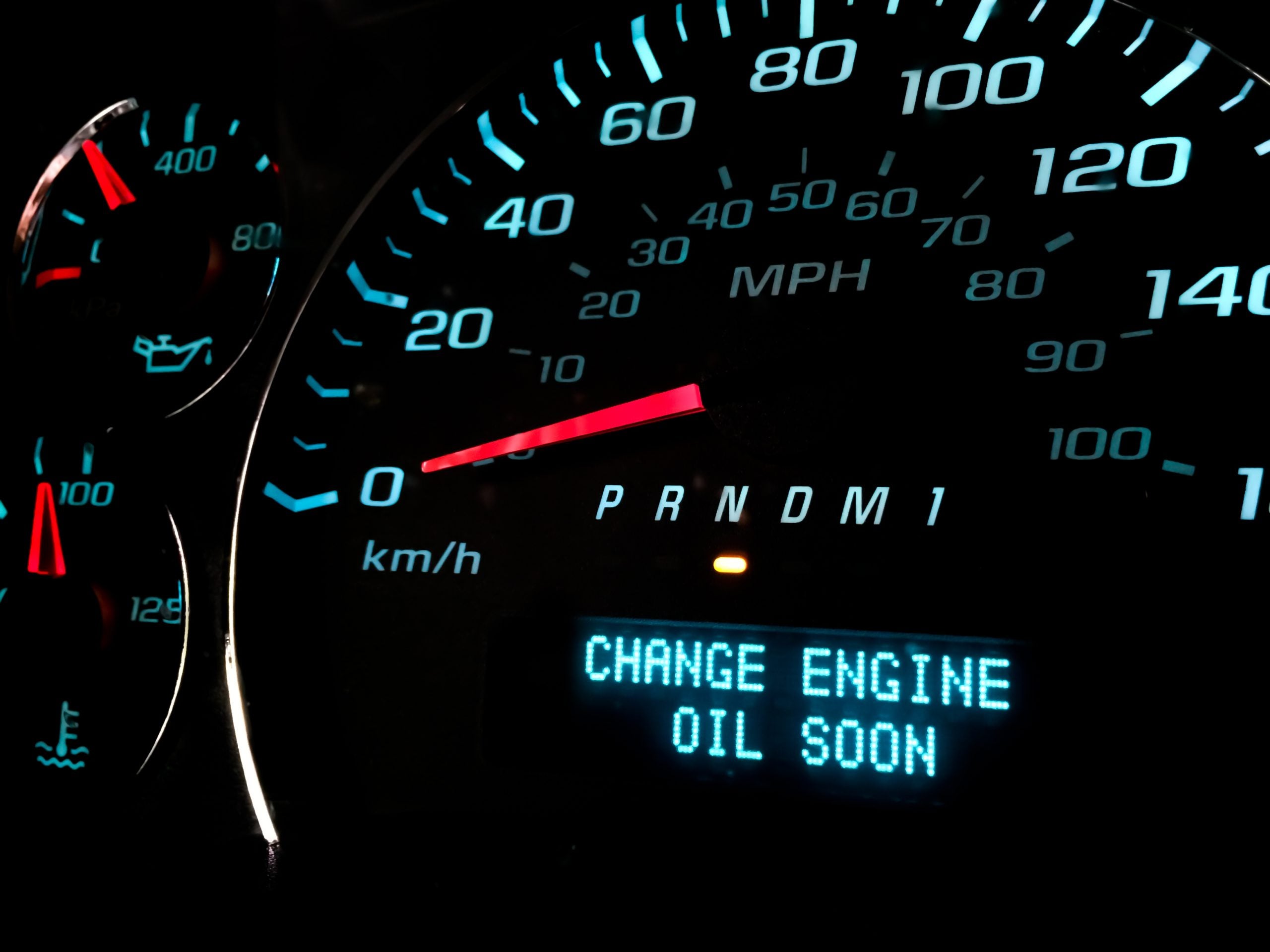
What type of oil is best for my car? You’re driving along, just minding your own business. Out of the corner of your eye you spot a little sticker on your windshield provided by the service station a while back. You squint at it briefly, trying to keep your eyes on the road. What does it say? You reach your destination, park, and as you exit the car you read the sticker more closely. Dang! Oil change time! Regular Auto Maintenance is the Key No biggie, you think. Oil changes don’t take very long and often times you don’t even need an appointment. So a few days later, you drive to your local service station, pull in and tell the service advisor, “time for an oil change”. They respond, “Great. Regular or synthetic? Dumbfounded, you ask what they would recommend. Wouldn’t it be best to know what oil is best for your particular vehicle and why? “Having your oil changed regularly is one of the easiest things you can do to preserve the life of your vehicle,” says Luis Roman, Assistant Service Manager at Smart Motors. “Oil is your vehicle’s lifeblood.” Luis Roman | Assistant Service Manager Roman says oil is what keeps the components of the engine working efficiently. It also reduces the accumulation of varnish and carbon from collecting in the engine. In order to protect and keep your engine running smoothly, oil collects heat, varnish and carbons. By doing this, and over time, the oil becomes dirty and the additives get depleted. When this happens, the oil is no longer helpful in maintaining the health of the engine. Dirty Engine Oil. “That’s why you need to change the oil regularly,” says Roman. “And don’t forget to change the oil filter too. Without regular maintenance your engine will seize up and die. And you really don’t want that to happen!” What Is The Difference Between Regular And Synthetic Car Engine Oil? But back to the hard question: regular or synthetic oil? There actually is an easy answer for most car owners. Synthetic oil should be used in newer cars, as most engines are manufactured to operate best with it. “Synthetic oil is better than conventional oil when it comes to longevity,” says Roman. “It’s also able to handle extreme high temperatures without breaking down.” So, if synthetic oil is the way to go, why offer conventional oil? Why not use synthetic oil in every vehicle? “Not a good idea. Engines in older vehicles were designed for regular/conventional oil usage,” says Roman. “It’s best to follow the manufacturers recommendation and stick to it. The last thing you want to do is void the manufacturer’s warranty by using an oil not recommended for your specific vehicle.” Vehicle Maintenance; oil change. Vehicle Owners Manual Roman says the easiest thing for consumers to do is consult their vehicle’s owner’s manual. It should specifically state what type of oil is best for your engine. You can also consult with the mechanics at your dealer or service station. They will be able to recommend the proper oil, plus they might share the good news that you can drive further than the traditional 3,000 miles before you’re due for another oil change. About Smart Motors Toyota Smart Motors was founded in 1908 by O.D. Smart and is one of the nation’s oldest automotive dealerships, is the mid-west’s largest hybrid dealer and one of Wisconsin’s largest volume Toyota dealers. Located at 5901 Odana Road, Smart Motors is Wisconsin’s only two-time President’s Cabinet Award recipient from Toyota Motor Sales for superior customer service & sales volume. For more information visit their history page.

Hydroplaning; Driving in Heavy Rain is no Splashing Matter

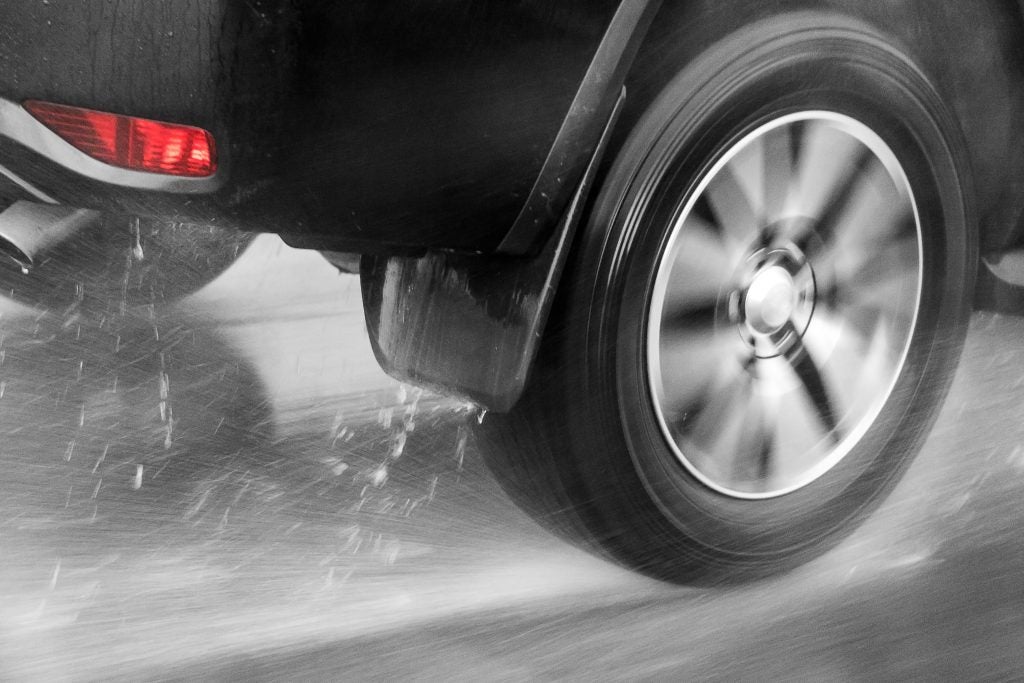
Rear wheel in the rain on a wet road. Hydroplaning in road traffic. It happens before you know it You’re driving along on an overcast day. You’re minding your speed, traffic is light, and there doesn’t seem to be anything particular to be concerned about. Suddenly it begins to rain. You know the drill: turn on your windshield wipers, make sure your headlights are on, and tap the brakes to cancel the cruise control. These are all common sense actions all drivers should take even while driving in a light rain. All of a sudden you experience a very odd sensation. Your vehicle seems to be floating above the road. You know what’s happening. It’s happened before. You’re hydroplaning. And hydroplaning can be just as dangerous as sliding across a frozen highway. Hydroplaning usually occurs within the first 10 minutes of a rainstorm when oils, dirt and debris begin to wash off the surface of the road. It also happens when there is too much water for the tread of your tires to scatter, so your vehicle is literally lifted above the surface of the water. What do you do? Take your foot off the accelerator, don’t brake, and wait for your tires to slow down to a point where they can handle dispersing the water. Continue on at this slower speed until the storm lets up. Your tire tread depth is critical “Having quality tires with the proper amount of tread is one of the best things a driver can do to prevent hydroplaning,” says Robert Jordan, Assistant General Manager & Service Director at Smart Motors. “A lot of people wait until winter is approaching to change their balding tires, but we recommend you change your tires at 4/32” remaining tread, regardless of the time of year, so that you don’t experience a lag in wet weather performance.” Robert Jordan - Smart Motors Toyota - Madison WI 100-Year Flood Hydroplaning is just one of the dangers of driving in heavy rains, as many Wisconsinites might have learned in 2018 when we experienced the “100-year flood” in which up to 20 inches of water was collected in certain areas. At Smart Motors in Madison, well over 100 flood damaged vehicles were towed in after the waters subsided to a navigable degree. Owners were hoping against hope their cars and trucks could be repaired. “Time and time again, the service department had to break the news to guests that their car or truck was totaled,” says Jordan. “In fact, the totaled vehicles far outnumbered the ones we could repair.” Jordan says the majority of the totaled vehicles experienced water getting into the engine, which can cause irreversible damage. Jordan says, unfortunately, there is no water-depth rule. He says you don't need to drive through a 12” puddle to cause damage. Even in shallow water, all it takes is just the right splash to find its way into the engine and ruin the vehicle. Prevention & Common Sense Make Sense Preventing water damage can be tricky and certainly not foolproof, but Luis Roman, Assistant Service Manager at Smart Motors says there are some measures drivers should take if there is a threat of flooding. Luis Roman - Smart Motors Toyota - Madison WI “First of all,” he says, “If you don’t absolutely have to drive in flood-like conditions, don’t!” Also, remember the National Weather Service trademark phrase; “Turn Around. Don’t Drown.” If there are flood warnings, the first consideration for a driver is to move the vehicle to a higher ground if that is an option. If this is not an option, Roman says to leave the vehicle where it is. If you are on the road during flood conditions, exercise extreme caution and a use a lot of common sense. Roman says if you can’t see the road because there’s so much standing water, don’t risk driving through it. “You can’t determine water depth without going in,” he says. “My suggestion is to pull over safely and observe other vehicles that may brave their way through the flooding.” Roman also warns during a flood, there may no longer be any roadway under the water and you could drive into an impromptu river. If the water is over 12" in depth, it could sweep a car away. Helpful hints for driving in rainy weather Roman offers these additional helpful hints: • If at all possible, wait to embark on your trip until the weather improves. • Check your tires periodically and replace them if the tread is worn to a dangerously low level. • Slow down • Do not use cruise control • Turn on your headlights. In some cases you might even want to turn on your hazards. • Definitely use your windshield wipers. Replace them if they are damaged or worn. • Maintain a safe distance from other vehicles. • Avoid heavy or sudden braking. • As mentioned above, be wary of standing water. • If you’re hydroplaning, step off the gas and try not to brake. • Ventilate your vehicle to prevent windows from fogging up. About Smart Motors Smart Motors was founded in 1908 by O.D. Smart and is one of the nation’s oldest automotive dealerships, is the mid-west’s largest hybrid dealer and one of Wisconsin’s largest volume Toyota dealers. Located at 5901 Odana Road, Smart Motors is Wisconsin’s only two-time President’s Cabinet Award recipient from Toyota Motor Sales for superior customer service & sales volume. For more information visit their company history.

woman enjoying a summer road trip

Summer Road Trip & Vehicle Maintenance Tips

Dreaming of the great outdoors and pondering the perfect destination for your next summer road trip with friends or family is exciting. Is it a lake house, the beach, or perhaps visiting as many Wisconsin state parks as possible in a two-week period? Regardless of your ultimate destination, the heat of summer can be just as hard on a vehicle as the freezing temperatures of winter. And just like its seasonal counterpart, summer is not a time when one would like to experience any maintenance drama. The mere thought of any component of a vehicle overheating, a belt or hose drying out, cracking, or breaking, or the A/C suddenly going out is a bummer. One does not want to be baking in a sweltering hot car during the long days of summer. Vehicle Summer-ization for Summer Road Trips “Wisconsinites know how important it is to winterize their vehicles, but often they neglect to ‘summer-ize’ them, too,” says Luis Roman, Assistant Service Manager at Smart Motors in Madison. “While some things can easily be done by the owner, there are also some where a service professional comes in handy.” Luis Roman, Assistant Service Manager Roman says the maintenance in general has become increasingly important over the past few years. With both new and previously owned vehicles being in short supply – obtaining a new car, truck or SUV can take six months or more - staying on top of seasonal upkeep is paramount. “In the long run,” says Roman, “it’s going to be much more economical to make minor repairs than it is to try to jump into a different new or used vehicle.” Roman says $500 for something like a radiator flush or a brake repair is not going to hurt your wallet quite like the $500 per month you could face if you’re forced to purchase a new vehicle in the current economy. He says there are many steps one can take to be proactive with “summarizing” to avoid drastic situations. Proactive Car And SUV Maintenance First, he suggests, is to have a qualified service technician thoroughly inspect your vehicle’s HVAC (heating, ventilating and air conditioning) system at least once a year. Often you can request this service in conjunction with another service such as an oil change. Typical A/C Service includes; • A visual inspection of hoses, lines, seals and other components for leaks as well as inspecting the drive belt for cracks or damage. • A check of pressures to test operation, refrigerant charge and outlet temperatures. • If the system is found to be low on refrigerant, a leak test is performed to find the source of the leak. Keep in mind if your vehicle is leaking refrigerant, it is damaging the ozone layer. • A/C service should also include a check of the compressor’s drive belt and tension. These measures should be enough to get you comfortably through the heat, but Roman says his team is trained to offer additional measures that will help your car stave off the heat of the street. Additional procedures either the vehicle owner or service technician can perform are: Road Trip Checklist • Check the level and strength of the coolant. A low coolant level may allow your engine to overheat. Make sure the coolant reservoir is filled to the proper level. Wait until the engine has cooled to check the level inside the radiator. If low, add a 50/50 mixture of the specified coolant and water. • Make sure the cooling fan works. The electric cooling fan should come on when the air conditioner is turned on to MAX. No fan may mean a defective fan motor, relay or electrical problem. • Battery evaluation. Batteries are lasting longer than they used to but the key with a battery evaluation is in the testing which gives both the available cold cranking amps vs. what the battery is rated for and the second is a battery health check which indicates potential battery life and can often predict a battery failure before there are symptoms. Hot weather is actually harder on batteries than cold weather because it increases the rate of evaporation of the liquid electrolyte inside the battery. • Change the oil. Replacing old dirty oil with fresh oil can increase the lubrication protection for your engine. • Check or replace the windshield wipers. Natural rubber wiper blades have a limited life of a year or less. Sun exposure, extreme heat and cold all age the rubber and cause it to become hard and brittle. • Check tires. Check the tire for wear, uneven wear, age cracks or damage. Check the inflation pressure in all the tires, including the spare. Underinflated tires make the tires run hot and increases the risk of a blowout. Being Prepared is the Key Lastly, Roman says there are a few steps vehicle owners can do themselves to stay cool: Exterior Paint Protective (wax) helps prevent fading • Wax the body. Your vehicle’s body should be waxed or sprayed with some type of protectant to help shield the paint from the ultraviolet rays from the sun, and summer smog in urban areas. • Keep your cool. Buy a sun shade for the windshield to reflect light so the interior doesn't get so hot if the vehicle is parked in direct sunlight. Also, close the sunroof sunshade, and leave the windows cracked so hot air can escape. This can lighten the cooling load on the air conditioner when the vehicle is first started, and prevent you from getting a hot seat or burning yourself on hot interior surfaces. • Protect yourself. Wear a hat and sun screen, and carry a bottle of water in the car in case you get stuck for a long period of time in traffic or have a break-down on a hot day. Roman says these precautions should be enough to keep you and your vehicle cool. Of course bad things happen at the absolute worst time, but taking some simple preventative measures should drastically lower the risk of them happening to you. About Smart Motors Toyota In Madison, WI Smart Motors was founded in 1908 by O.D. Smart and is one of the nation’s oldest automotive dealerships, is the mid-west’s largest hybrid dealer and one of Wisconsin’s largest volume Toyota dealers. Located at 5901 Odana Road, Smart Motors is Wisconsin’s only two-time President’s Cabinet Award recipient from Toyota Motor Sales for superior customer service & sales volume. For more information, check out their history. visit https://www.smarttoyota.com/our-history.html

April is National Car Care Month

Cars, just like humans, need an annual checkup, and there's no better time to do that than during National Car Care Month, which occurs throughout April. National Car Care Month aims to get cars healthy and running in tip-top shape to keep automobiles functioning efficiently through the increased driving that occurs in the summer months. Some simple checkups can increase gas mileage and add to the lifetime of a vehicle. “Car Care Month is just a really good time to make sure your car is running its best,” says Jason Vasen, Master Diagnostic Technician at Smart Motors. “A car is an investment; so paying attention and taking proper care of it is much better than paying thousands of dollars to replace it later.” Jason Vasen - Master Technician - Smart Motors Vasen cites several common trouble areas as spots to pay attention to during Car Care Month and any other time of the year. Tires, filters, oil, interior, and exterior. “The great part about these is just about anyone can perform these functions at home—specialized tools aren't really necessary,” says Vasen. Tires When tires are not correctly inflated, they just don't perform properly. With a simple tire gauge that costs under $10, people can see if tires are at the manufacturer's suggested level. The vehicle suggested inflation level is usually found on a sticker inside the driver’s side door or the glovebox or in the owner’s manual. And it is good to be at the proper level. For every three PSI (Pounds per Square Inch) below that level a car tire loses, it becomes one percent less efficient and wears 10 percent faster. These numbers add up cumulatively, so if a car is 10 PSI under, that's over three percent of wasted fuel every time someone gets behind the wheel. If someone doesn't want to get a tire gauge, just keep in mind, looks aren't deceiving. If the tire looks low, it is most likely low. Filters The vast majority of vehicles have internal combustion engines. And the science behind combustion requires both a fuel source and air. If this air isn't clean, it will hamper the combustion process, which is why cars have engine air filters. However, if these filters are dirty, they will let these impurities through and decrease efficiency by up to seven percent. To check the air filter, look in the owner's manual and find out where the filter is located. Then pop open the hood and remove the filter. Hold it up to the sun; if light streams through, the filter is good. If not, drop it on the ground several times and retest. If sunlight is still not visible, a new filter is required. Oil Change & Tire Rotation Everyone knows cars need oil changes, but why? The purpose of oil in a car engine is to keep all internal parts lubricated and running smoothly. As oil ages or gets used, it breaks down and its lubricating properties diminish. An oil change replaces the dirty oil and allows parts to be freshly lubricated with new oil. Almost all models of cars include an engine oil dipstick to allow people to check the vehicles engine oil level. Locate the dipstick, pull it out, and place it back in the engine, ensuring it goes all the way down. Pull it out, and without changing the orientation, see where the oily part meets the dry part, if it's between the two marks on the stick, the oil level is good. Exterior A winter season full of salt and sand can do a number on the exterior and can even lead to rusting. As temperatures rise, it's advised to visit a good car wash, one that gets all of the random debris not only off the car, but from underneath the car as well. Waxing a car helps the exterior paint last longer and shine. Instead of applying one heavy coat of wax, apply several thin coats, after the previous coat has cured. This technique will bring out the vehicles best color and depth. Interior A good thorough cleaning of carpet and upholstery will remove stains, and winter’s tracked in salty residue. This will leave the car clean and smelling fresh. A word of caution when cleaning windows, do not use a glass cleaner to clean the rear window, as this can cause damage to the rear window defogger heater wires. Smart Motors Founded in 1908 by O.D. Smart, Smart Motors is one of the nation’s oldest automotive dealerships, is the mid-west’s largest hybrid dealer and one of Wisconsin’s largest volume Toyota dealers. Located at 5901 Odana Road, Smart Motors is Wisconsin’s only two-time President’s Cabinet Award recipient from Toyota Motor Sales for superior customer service & sales volume. Dealership's History.

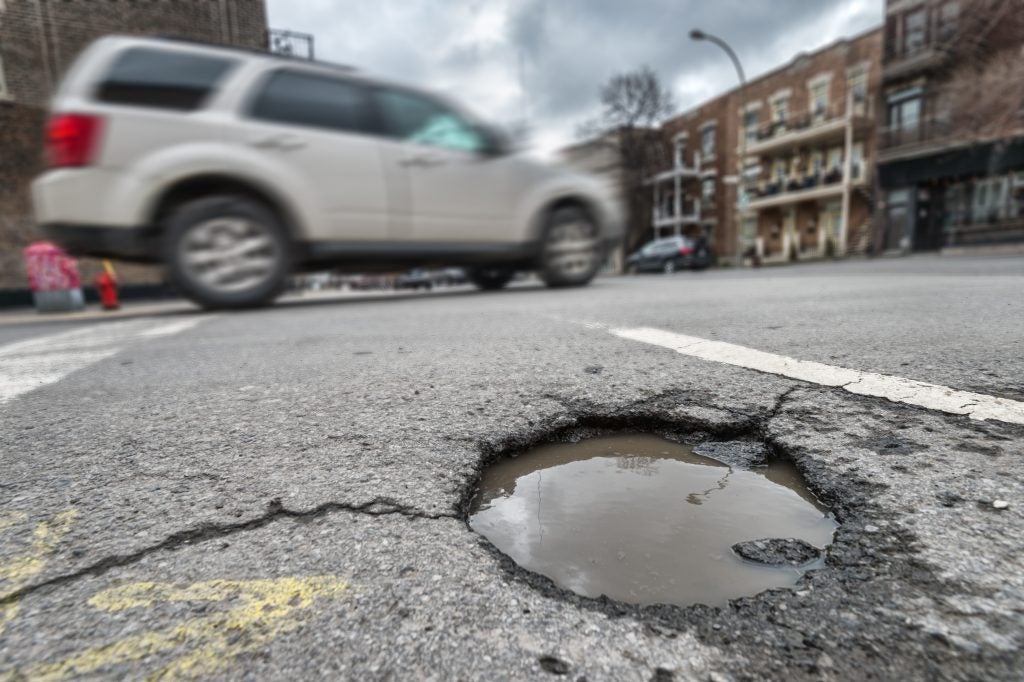
When Roads Go To Pot... Holes

Pothole Season in Wisconsin Potholes Can Cause a Lot of Damage Spring time in Wisconsin is like when a bear comes out of hibernation. Daytime temperatures are pushing 50 degrees, Wisconsinites are sporting shorts and short sleeve shirts, but when the winter frost leaves our roadways we are left with those pesky "potholes" which can cause damage to our vehicle's alignment. The constant freezing and unfreezing of water on roadways can wreak havoc, forming supersize potholes destroying the underside of your vehicle. The automotive specialists at Smart Motors service department have the following advice to help prevent and notice pothole-related damage. Visible damage is the easiest to detect, but may not be the only indication your vehicle needs some attention. One obvious sign of tire damage is when a tire ‘bulges’; which occurs when the steel/fiber ply belt in the sidewall of a tire breaks due to a heavy impact. Luis Roman, Assistant Service Manager at Smart Motors Service Center, says even if your tires don’t have bulges does not necessarily mean you are free from the damage of potholes. Luis Roman, Assistant Service Manager Warning Signs of Pothole Damage If your vehicle pulls to one side, or your steering wheel is visibly off center, Roman suggests being on the safe side and schedule an appointment with a reputable automotive service center and getting an assessment. This way, the vehicle's alignment and other signs of damage can be analyzed and fixed before they become a major problem. Repair costs can vary greatly depending on the extent of damaged parts; from a $200 strut to several thousand dollars for an entire suspension system and cradle. Roman also offers these tips to help protect vehicles against the jarring experience of a pothole encounter: Tips to Protect your Vehicle from Pesky Potholes • Maintain full air pressure in all tires to provide as much cushion as possible between the pothole and the rim of the tire. Consult the vehicle owner’s manual for the correct pressure. • Watch for potholes by leaving plenty of space between your vehicle and the one in front of you. • If a pothole cannot be avoided, slow down BEFORE hitting the pothole. Hitting a pothole at high speed increases the chance of damage to tires, wheels, shocks, struts or springs. • When driving over a pothole-filled road, hold the steering wheel firmly to avoid losing control. • Do NOT brake when directly over a pothole. Applying the brakes causes the car’s weight to shift to the front of the wheel and can increase damage from the impact. • Beware of water that may be concealing a deep pothole. About Smart Motors Smart Motors was founded in 1908 by O.D. Smart and is one of the nation’s oldest automotive dealerships, is the mid-west’s largest hybrid dealer, is one of Wisconsin’s largest volume Toyota dealers and is Wisconsin's largest Toyota Certified Used dealer. Located at 5901 Odana Road, Smart Motors is Wisconsin’s only two-time President’s Cabinet Award recipient from Toyota Motor Sales for superior customer service & sales volume. For more information visit their history page.

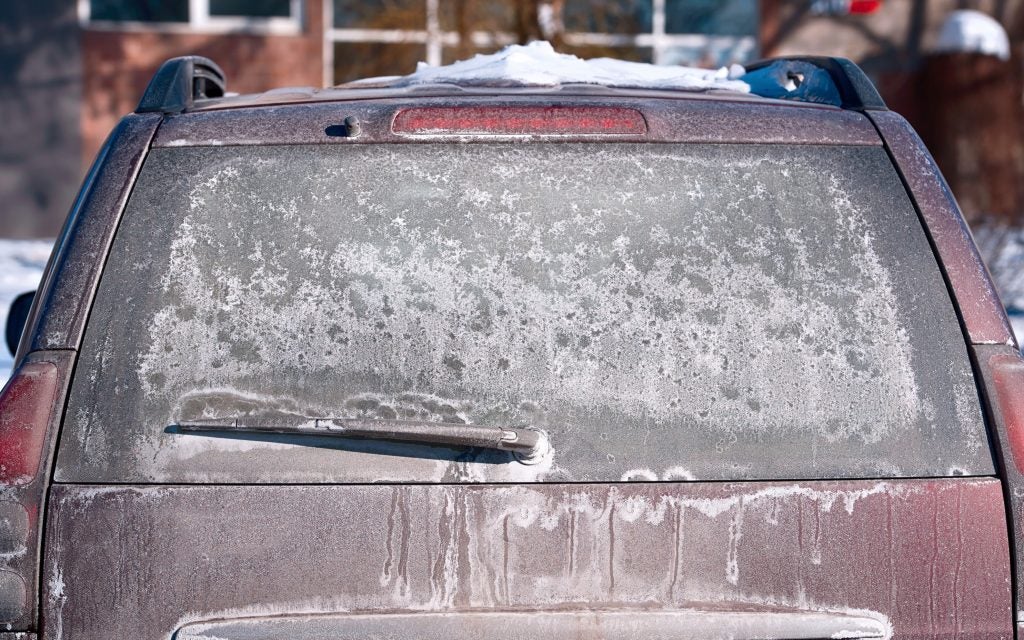
Winter salt covered vehicle in Wisconsin

Winter. Should You Wash Your Vehicle or Not?

Is it worth it, really? Should I wash my vehicle, or just wait for spring? Under normal circumstances most vehicle owners love their car. It’s like an old friend, cheerfully waiting to take you where you need to go. But as the winter months in Wisconsin drag on, you find your feelings changing toward your tried and true buddy. To wash or not to wash; now that's the question. What was once a summer time escape from reality, suddenly becomes a chore. Come February and March, if you have not washed your vehicle, it becomes salt-covered, sludgy, dishwater-hued beast that is almost indecipherable from most of the other vehicles on the road. And the worst part is you don’t know what you should do about it. Part of you thinks you should probably wash the poor thing, but at the same time, it's Wisconsin - it's going to snow again, plus the streets are just going to be salted again. And on those rare breaks when the temperatures climb into the 40s, everyone and their uncle are in line to run their vehicles through the car wash. Do you just let it go? Jason Vasen, Master Diagnostic Technician at Smart Motors, says you should absolutely not let it go. Jason Vasen - Master Diagnostic Tech - Smart Motors - Madison, WI “Salt may keep the streets safe to drive on, but it’s a terrible thing to have on your car for extended periods of time,” Vasen says. “Salt leads to oxidation and rust. It can take years off the life expectancy of your vehicle.” Car Wash; Outside temperature matters Vasen says Wisconsinites ideally should wash their cars, trucks and SUVs about once every two weeks even in the dead of winter though only wash when outdoor temperatures are in the upper 30’s or in the 40’s to ensure doors and windows won’t freeze. If you're fortunate to have a heated or well insulated garage, you could push this to temps a little lower, but it's always a good idea to dry off your vehicle as well. Pop the hood, open the doors, including hatch/truck and dry them off. Not all car washes are created equal “You want to make sure it’s a quality wash, too,” he says. “Just washing the pretty parts may save your paint job for a few years, but it’s incredibly important to make sure salt and slush are removed from the wheel wells and undercarriage.” A touchless car wash with an underbody high pressure spray option/cycle is what you'll want to look for to help remove the salt, sand and grim from those hard to reach spots. When salt builds up on the wheel wells and undercarriage, it attacks the vehicle’s braking system and suspension, both of which could lead to dangerous situations on the roads. They are both expensive to repair, too, so making sure they are salt-free could save you money down the line. Clean wheel wells and undercarriage “Drivers can also get ahead of the game through routine maintenance,” Vasen says. “Quality mechanics will check for any issues and lubricate or use corrosion inhibitors on parts as needed for the winter months.” And don't forget wiper blades. They are an inexpensive way to ensure clear vision. Did you know? Where one parks during the winter can also play a role in how much damage is or isn’t done to a vehicle because of slushy and salty conditions. Ironically, vehicles parked outside for the duration typically experience less body damage than those that are garage kept. This is because the freezing temperatures do not allow the slush to melt, so it slows down the overall corrosiveness of the salt. “Bottom line; regardless of whether you store your vehicle inside or outside, it really is worth the time, effort and money to make every attempt to keep it clean,” Vasen says. Jason Vasen is a Master Diagnostic Technician at Smart Motors - Madison, WI, and was founded in 1908 by O.D. Smart and is one of the nation’s oldest automotive dealerships, is the mid-west’s largest hybrid dealer and one of Wisconsin’s largest volume Toyota dealers. Located at 5901 Odana Road, Smart Motors is Wisconsin’s only two-time President’s Cabinet Award recipient from Toyota Motor Sales for superior customer service & sales volume. See their history page for more details.

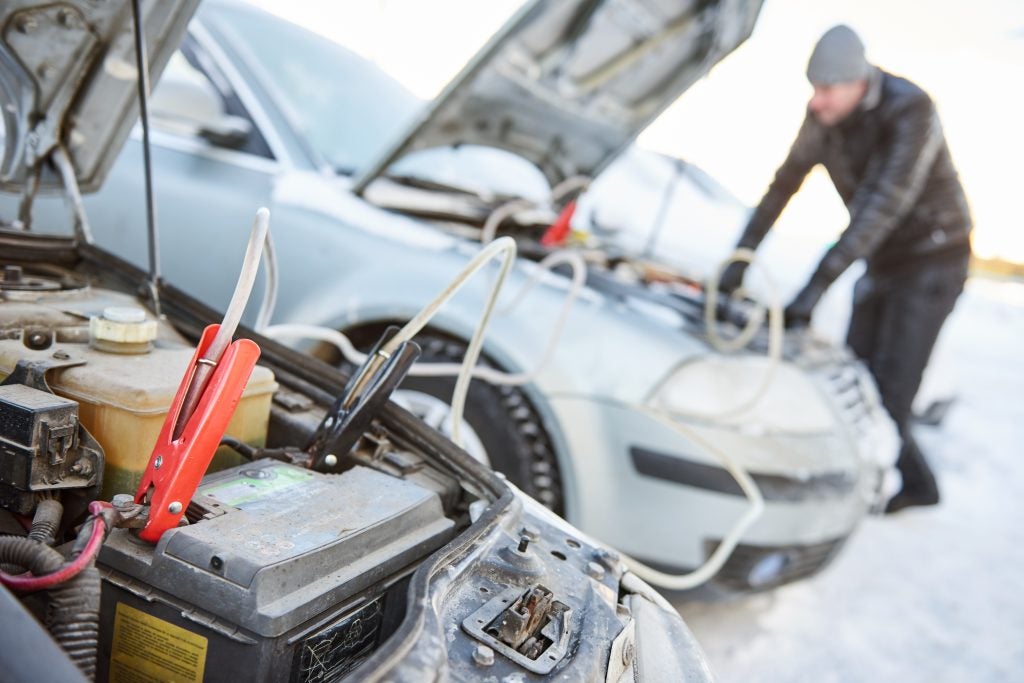
Jumpstarting your vehicle. Smart Motors Madison Wi.

Safely Jumpstarting Your Vehicle.

Tips & Safe Start Guide Cold winter weather in Wisconsin has vehicle owners scrambling to jumpstart their vehicles. Icy roads, plows shooting up clouds of snow and blinding light bouncing off packed snow cause all sorts of problems for Wisconsin's drivers, but one of winter's worst effects come before people even hit the road—winter causes discharged car batteries and vehicle jumpstarting presents a fair share of issues. Winter Checklist should include a battery test. Discharged (dead) batteries won't jumpstart Car batteries often become discharged in the winter because the cold affects the vehicle in two ways; A cold battery has less cranking power than a battery at normal temperature. Cold oil is thick oil, and thick oil is harder to turn over in the engine. While these traits occur independently of each other, they combine and make it harder for vehicles to start, effectively draining a battery down. A discharged battery can oftentimes be recharged and work fine, but immediate action is necessary as a discharged battery could freeze making it unable to be recharged, thus possibly ruining the battery. Charged batteries will not freeze. There are warning signs your battery may be failing. Traditional Vehicle Batteries vs Hybrid Vehicle Batteries Discharged batteries can occur in both traditional cars as well as more modern hybrid vehicles. And while many people might know how to jump start a traditional car, the precautions necessary for either jump starting or receiving a jump from a hybrid are slightly different, yet hybrid owners might not even realize this. “The hybrid is a fundamentally different design and has batteries located in different spots and takes on power differently,” says Smart Motors Master Diagnostic Technician Jason Vasen. “Hybrids with the 12 volt battery inside the passenger compartment like the Prius use an AGM battery which uses absorbed glass mats so there is no "loose" liquid to spray. Some hybrids use conventional 12 volt batteries located outside the passenger compartment which do carry the concern of potential explosion.” Jason Vasen, Master Diagnostic Technician, Smart Motors How can one be safe when jump starting a hybrid? Smart Motors' Jason Vasen put together the following checklists for how to keep vehicles safe and fully powered even through the worst of winter's fury. Jumpstarting a hybrid vehicle Don’t make a practice of using your hybrid to jump start other vehicles as you could greatly damage the discharged vehicle’s electrical system. Apply the parking brake and turn off the headlight switch and interior light. Turn off the hybrid system and remove the key if inserted. Open the hood; fuse block cover, and exclusive jump starting terminal cover. Connect positive clamp (red) jumper cable to the exclusive jump starting terminal. Connect the negative clamp (black) to a solid, stationary, unpainted, metallic point of the vehicle with the discharged battery. If the booster battery is installed in another vehicle, make sure the vehicles are not touching. Turn off all unnecessary lights and accessories. When boosting, use the battery of matching or higher quality. Any other battery may make for a difficult start. Allow the discharged battery to rest with the jumper cables connected for approximately 5 minutes. At this time, run the engine in the vehicle with the booster battery at about 2,000 RPM with the accelerator pedal lightly depressed. Start the hybrid system. Make sure the “READY” light is on. Disconnect the cables in reverse order: the negative cable and then the positive cable. Jumpstarting a traditional vehicle Park the booster vehicle close but not touching the one that needs to be jumped. Begin the process by clamping one of the positive jumper cable ends (red) to the positive battery terminal (labeled with a "+" on the battery) of the discharged vehicle. Connect the other end of the positive cable (red) to the positive battery terminal on the booster vehicle (again, confirm that a "+" is next to the battery terminal). Connect the negative cable end (black) to the negative battery terminal on the booster car (marked with a "-"). Finally, attach the other end of the negative cable to an unpainted metal surface on the engine of the discharged car. Start the discharged vehicle and let the two vehicles idle for a few minutes. Once the discharged vehicle is started and running smoothly, disconnect the jumper cables in the reverse order that they were connected. Drive the revived car to somewhere safe and secure before shutting off the engine. Smart Motors was founded in 1908 by O.D. Smart and is one of the nation’s oldest automotive dealerships. Smart Motors is the mid-west’s largest hybrid dealer, and is located at 5901 Odana Road, Smart Motors is Wisconsin’s only dealership to have ever earned the coveted President’s Cabinet Award from Toyota Motor Sales. This award is only given to the top 12 dealerships nationwide for superior customer service & sales volume. To learn more about Smart Motors, visit their dealership history page.

Contact Us

Fill out this form below and we'll contact you shortly
*Required Fields