Blog / Car Care Tips

Blog

All Car Care Tips Toyota Vehicles Exploring Madison Around Town Madison Toyota Dealer Driving Safety Car Maintenance Hybrid Vehicles Community Madison Toyota Service Toyota Smart Toyota Service Smart Toyota News Toyota Safety Toyota Corolla Toyota Highlander Toyota Prius Charity Support Toyota Camry Toyota Sienna Madison Used Cars Toyota RAV4 Smart Motors Certified Used Vehicles Smart Toyota New Inventory Green Energy Smart Motors Used Cars Smart Motors Used Vehicles Toyota Supra Toyota Tundra Toyota Yaris Auto Body Repair Auto Body Shop Ball Body Shop Local Festivals Smart Buys Cars Smart Toyota Auto Parts Toyota Tacoma Employment Toyota 4Runner Toyota Avalon Toyota bZ4X Toyota C-HR Toyota Corolla Cross Toyota Land Cruiser Toyota Sequoia Toyota TRD Vehicle Acquisition Vehicle Buying
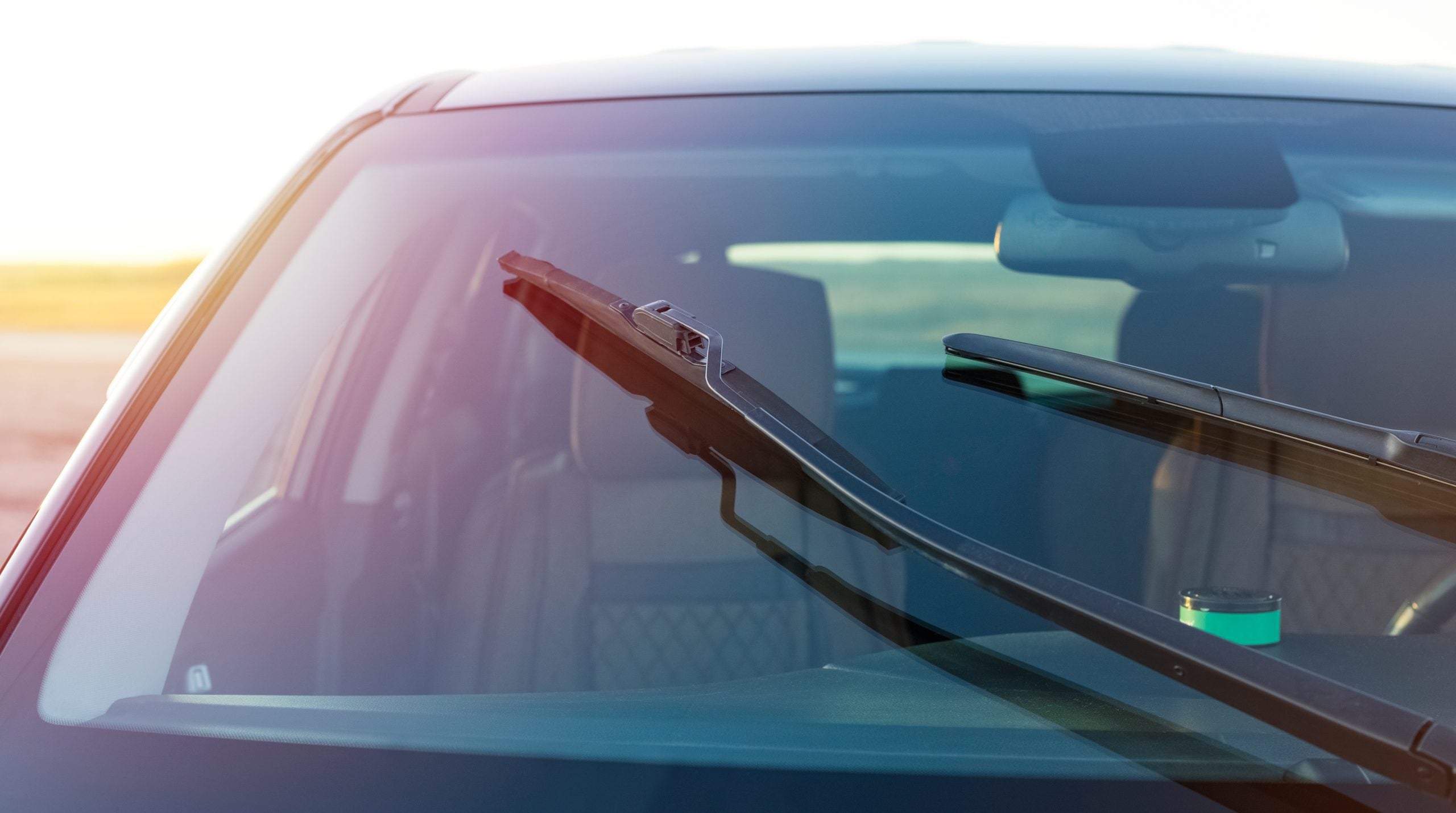
Windshield wipers active on the front of a car.

What Type of Windshield Wipers Do I Need For My Toyota 4runner?

Drivers can be hard pressed finding a car brand as reliable as Toyota, with the Toyota 4RUNNER being a prime example. However, all vehicles accumulate wear and tear over time, and finding replacement Toyota windshield wipers becomes a necessity. That’s where our Toyota service center in Madison comes in. What Windshield Wipers Does My Toyota 4RUNNER Need? Toyota brand vehicles use SightLine wiper blades, designed specifically to match the windshield shape and wiper arm downforce of your sedan, truck, or SUV. The generally recommended length for a 4RUNNER’s wipers should be 24 inches on the driver’s side, 20 inches on the passenger’s side, and 12 inches for the rear window. The required length can vary depending on the trim level or model year of your 4RUNNER, so don’t forget to check your owner’s manual to be on the safe side. When Do I Replace My Toyota 4RUNNER Windshield Wipers? You should generally replace your Toyota vehicle’s wiper blades every six months to a year, or otherwise have them examined as part of your vehicle’s routine maintenance every 5,000 miles driven. If you seen anybackground of these signs of wear and tear, we strongly advise you to get replacement windshield wipers immediately Scooting and skipping: Dried out or corroded rubber can cause scooting or skipping on the windshield Streaking: Worn blades become warped from exposure to elements like tree sap, road tar, and other chemicals, which can cause the rubber to harden or crack Splitting: Split rubber occurs from prolonged exposure to sun’s damaging UV rays Screeching: As blades age, the rubber stiffens and loses flexibility, which can cause squeaking or screeching Order New Toyota 4RUNNER Wiper Blades in Madison, WI If you’re looking for replacement windshield wipers for your Toyota 4RUNNER, order what you need from our Toyota service center in Madison, WI. If you have any questions about wiper blade replacement or any of our other services, contact us online at Smart Motors Toyota.

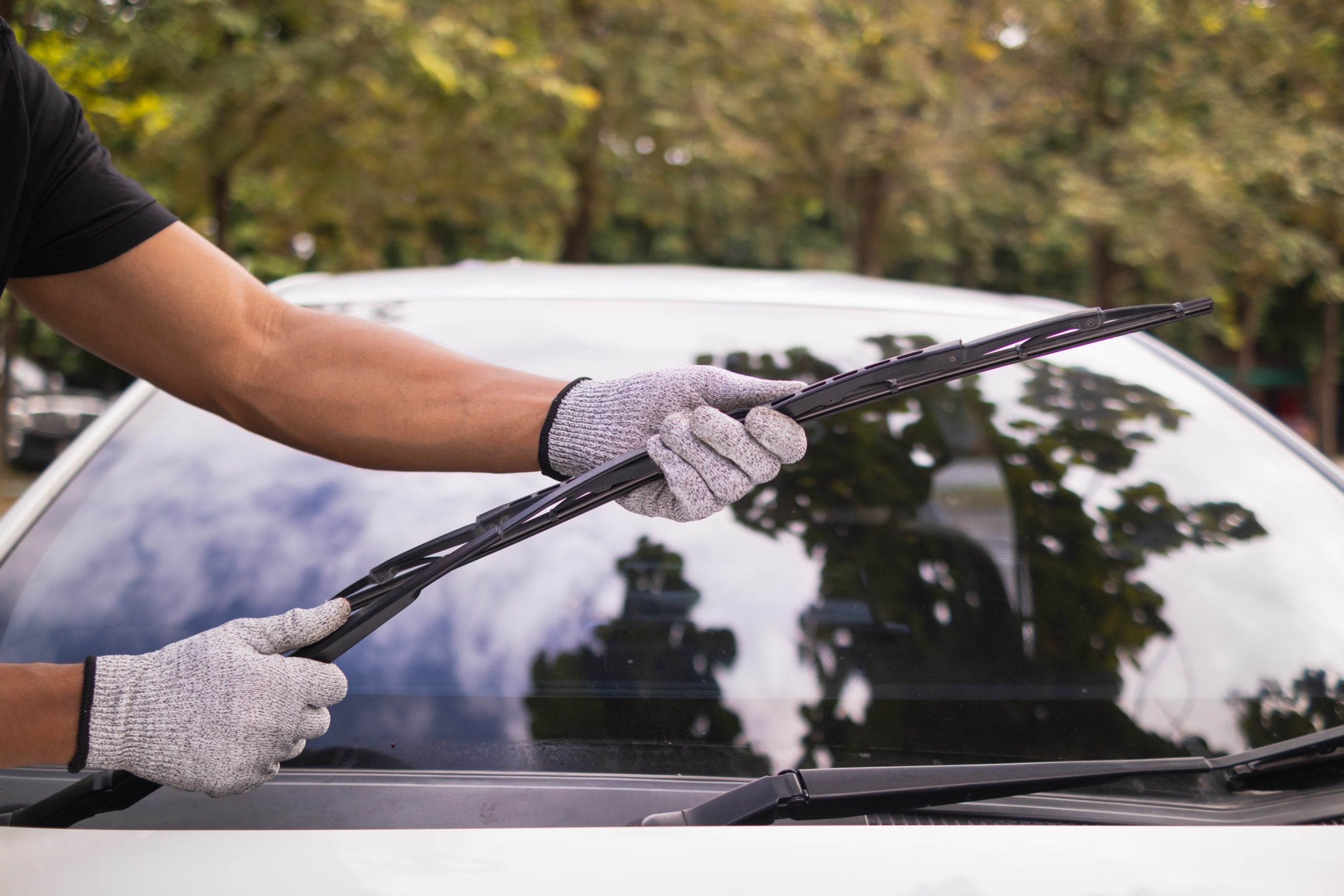
A man with gloves replacing a vehicle's windshield wipers.

What Type of Windshield Wipers Do I Need for a Toyota Prius?

Drivers may have a hard time finding a car brand as reliable as Toyota, with the Prius being proof of that. However, all vehicles acquire wear and tear as they accumulate miles. Eventually, finding replacement Toyota windshield wipers becomes necessary, and that’s where our Toyota service center in Madison comes in. What Windshield Wipers Does My Toyota Prius Need? Toyota brand vehicles use SightLine wiper blades, specifically engineered to match the windshield shape and wiper arm downforce of your car, truck, or SUV. The generally recommended length for a Prius’ wiper blades are 28 inches on the driver’s side and 16 inches on the passenger’s side. The required length of your wiper blades can vary depending on the trim level or model year or your Prius, so make sure to check your owner’s manual to be on the safe side. When Do I Replace My Toyota Prius Windshield Wipers? You should generally have your Toyota vehicle’s wiper blades replaced every six months to a year, or otherwise have them examined as part of your vehicle’s routine maintenance every 5,000 miles driven. If you see any of these signs of wear and tear, we strongly advise you to get replacement windshield wipers immediately: Scooting and skipping: Dried out or corroded rubber can cause scooting or skipping on the windshield Streaking: Worn blades become warped from exposure to elements like tree sap, road tar, and other chemicals, which can cause the rubber to harden or crack Splitting: Split rubber occurs from prolonged exposure to sun’s damaging UV rays Screeching: As blades age, the rubber stiffens and loses flexibility, which can cause squeaking or screeching Order New Toyota Prius Wiper Blades in Madison, WI If you’re looking to replace your Toyota Prius’ windshield wipers, don’t hesitate to order the necessary parts from our service center in Madison, WI. If you have any questions regarding windshield wiper replacement or other services we offer, contact us online at Smart Motors Toyota.

A vehicle driving over a snowy road while it's snowing.

Do I Need Snow Tires For My Toyota Vehicle?

While for some, snow may be seen as a beautiful marker of the beginning of winter, to many drivers, it can be nothing more than a nuisance. Driving through snow can be difficult and dangerous, even for vehicles with all-wheel drive. It may become necessary to get specialized tires for the snow, and that’s where our Toyota service center in Madison comes in. Does My Toyota Need Snow Tires? The necessity of snow tires is dependent on a few key factors. Most Toyota vehicles already come equipped with all-season tires, however, specialized tires are still superior for handling heavy snowfalls. A Toyota with all-wheel drive can better handle snowy conditions as well, but even then, your vehicle’s performance can be overwhelmed by severe weather. Do I Need Snow Tires in the Winter? The amount of snow you’re expected to receive can heavily impact the necessity of snow tires for your vehicle. As stated before, even a Toyota with all-wheel drive and all-season tires can be overwhelmed by a large enough snowfall, so if you live in an area that regularly receives substantial snow – or the weather forecast otherwise expects a large snowstorm – it is within your best interest to get snow tires ahead of winter. Outside of dense or regular snow, specialized tires are still superior at dealing with icy roads and consistently low temperatures than all-season tires, helping to maintain your safety throughout the winter. Toyota Snow Tires Near Me If you’re looking for snow tires in Madison, WI for your Toyota, don’t hesitate to schedule service at our Toyota service center. If you’re more of a “do-it-yourself” kind of person, you can also order OEM Toyota parts from us. If you have any other questions about snow tires, preparing your vehicle for winter, or any of our other services, please contact us online at Smart Toyota.

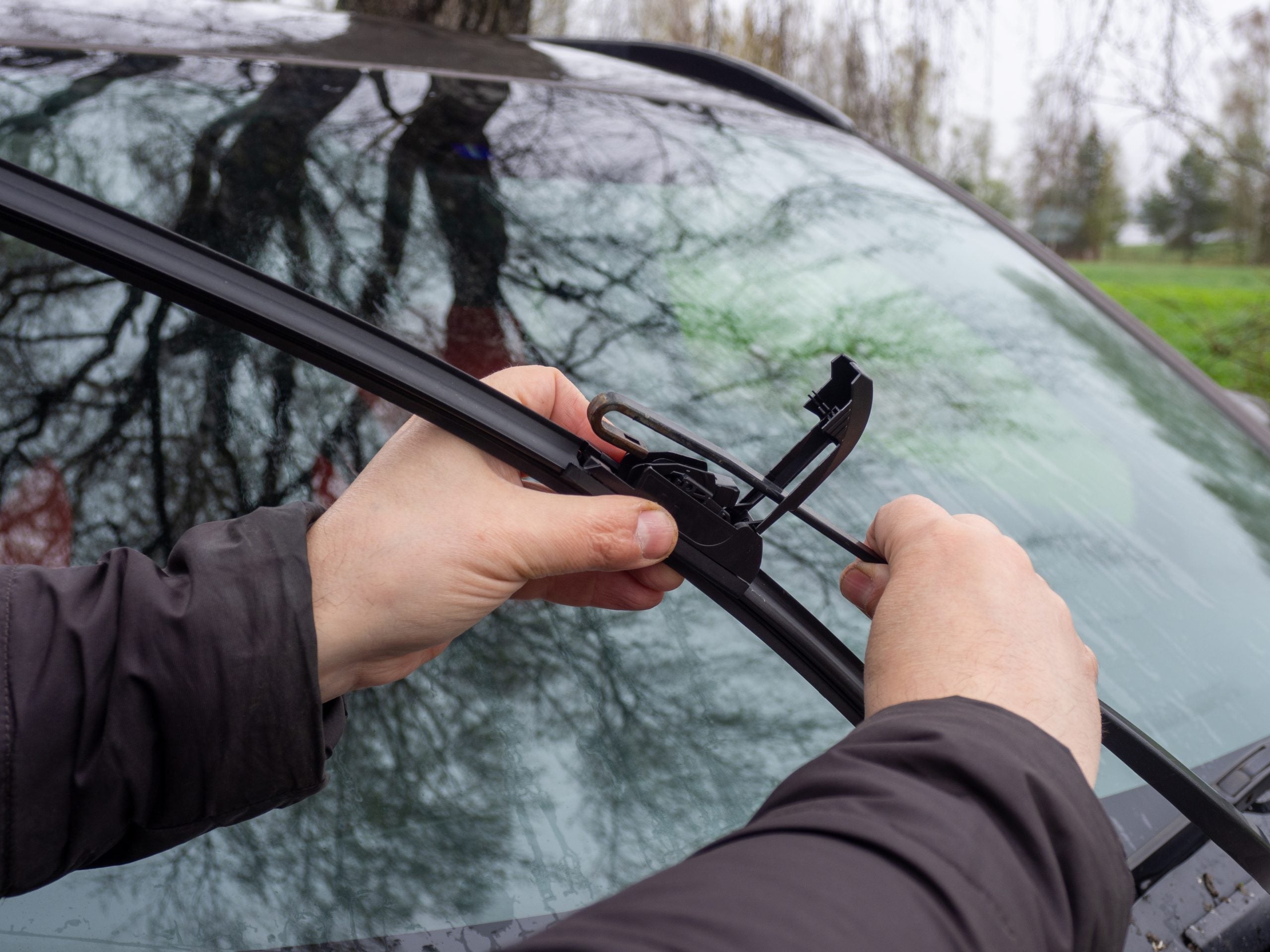
Person replacing windshield wiper blades.

What Type of Windshield Wipers Do I Need for a Toyota Highlander?

Drivers would be hard-pressed to find another SUV with the reliability of a Toyota, with the Highlander serving as proof. However, as miles accumulate, even the most reliable vehicles require some repairs. Eventually, finding replacement Toyota windshield wipers becomes a necessity, and that’s where our Toyota service center in Madison comes in. What Windshield Wipers Does My Toyota Highlander Need? Toyota brand vehicles use SightLine wiper blades, specifically engineered for the windshield shape and wiper arm downforce of your car, truck or SUV. The generally recommended length for a Highlander’s wiper blades are a 26-inch blade on the driver’s side, an 18-inch blade on the passenger’s side, and a 12-inch blade for the rear window if one is required. The length of your wiper blades may vary depending on trim level or model year, so make sure to check your owner’s manual to be on the safe side. When Do I Replace My Windshield Wipers? You should have your Toyota Highlander windshield wipers examined every 5,000 miles as part of routine maintenance. If you see any of these signs of wear and tear, we strongly recommend getting replacement windshield wipers immediately: Scooting and skipping: Dried out or corroded rubber can cause scooting or skipping on the windshield Streaking: Worn blades become warped from exposure to elements like tree sap, road tar, and other chemicals, which can cause the rubber to harden or crack Splitting: Split rubber occurs from prolonged exposure to sun’s damaging UV rays Screeching: As blades age, the rubber stiffens and loses flexibility, which can cause squeaking or screeching Order New Toyota Highlander Wiper Blades in Madison, WI If you’re looking to replace your Toyota Highlander’s windshield wipers, don’t hesitate to order the necessary parts from our service center in Madison, WI. If you have any questions regarding windshield wiper replacement or other Toyota services we offer, don’t hesitate to contact us online at Smart Toyota.

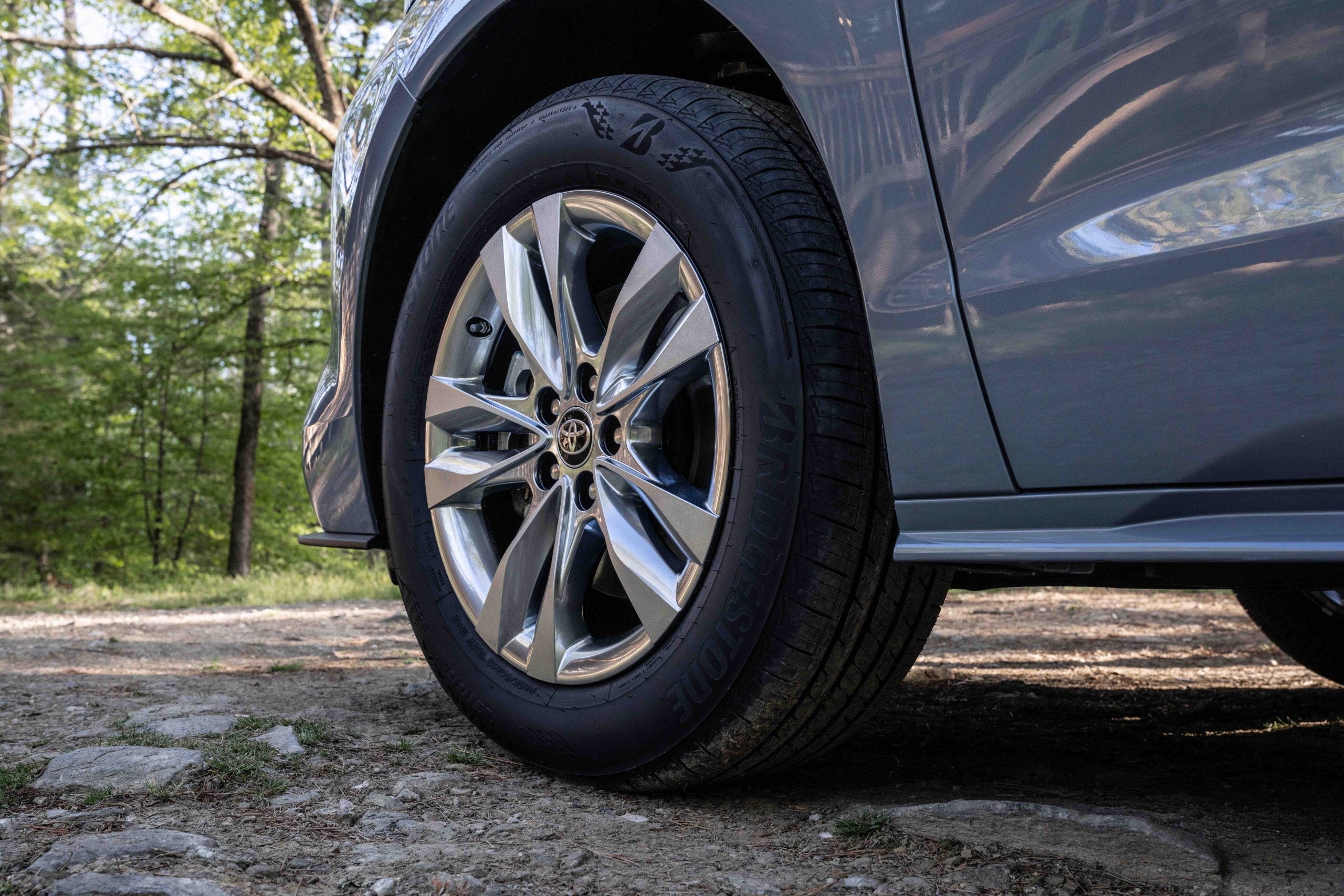
Close-up of a tire on the Toyota Sienna Woodland Edition on a rocky dirt trail

What Tires are Best for an All-Wheel Drive Car?

Madison area drivers looking to take the best possible care of their vehicle can always turn to Smart Toyota. From Toyota tire coupons to expert advice, our service center is dedicated to helping you maximize your car, truck or SUV. Drivers in our community due for a tire replacement are encouraged to stay tuned for October Toyota tire sale, which is a great opportunity to install brand new tires, and prolong the reliable performance our featured brand is known for. What Tires Do I Need for an AWD Car? Whether your vehicle features all-wheel drive or not, it’s incredibly important to only use the proper tires designated for your vehicle. Having an AWD Toyota without the corresponding tires isn’t just a potential hazard out on the road, but prevents you from using your vehicle’s AWD system to its fullest potential. In other words, the best way to figure out which tires are best for an AWD vehicle is to refer to your owner’s manual for specific guidance on replacing your tires. Not only should you always try to use four tires from the same brand, but the exact same model if possible. Unless specified by the tire manufacturer, tires should be the same size while also possessing the same speed rating and load index. For more information, you can refer to the tire information generally found on the driver’s door jamb, which usually includes the appropriate tire size and recommended amount of tire pressure. Save on Tires with Our Toyota Tire Sale in Madison, WI If you’re unsure about your current tires’ condition, request a service appointmen t and let the certified technicians at our Toyota service center in Madison take a look. If you have any questions about the tires available during our sale or compatibility with your all-wheel drive Toyota, we strongly encourage you to contact us online at Smart Toyota today.

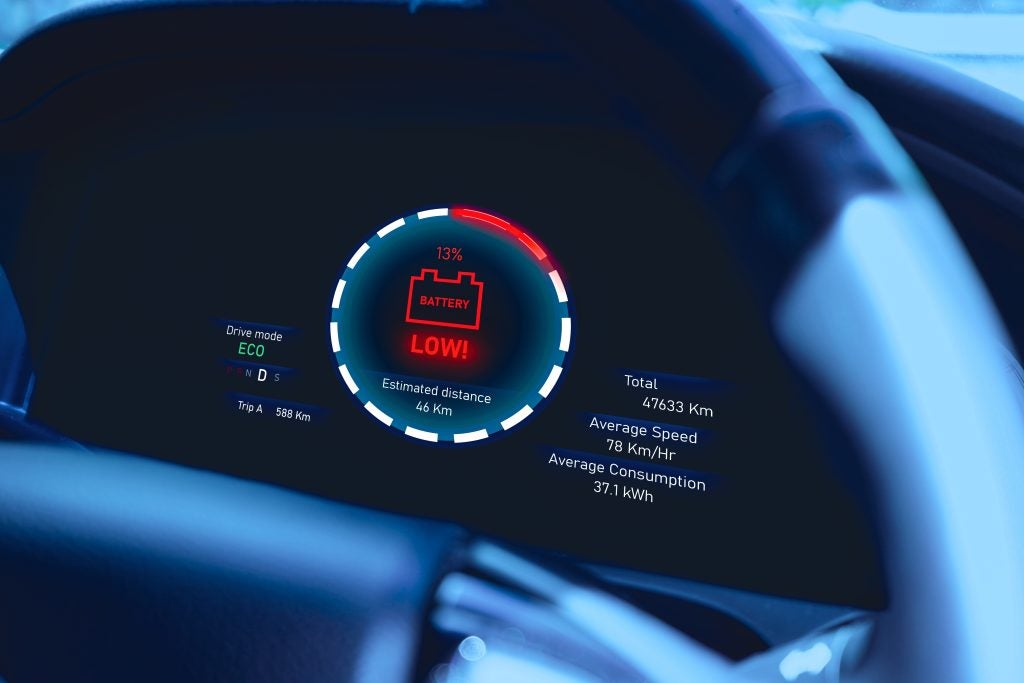
Low battery warning light shown on a car dashboard

How to Jump-Start Your Hybrid

How to Jump-Start a Hybrid Car Battery Just like traditional gas-powered vehicles, a hybrid car battery can be jump started when the battery is discharged. Jump-starting your hybrid shouldn’t stray too far from the process of their gas engine counterpart, though the same amount of caution should be taken. Please note your jumper cable connectors should not be touching unless they are fully disconnected. Park your vehicle on a flat and dry surface Turn the vehicle off alongside all electrical components including the headlights and radio Place the positive jumper cable clamp (+) colored red on the positive battery terminal of your discharged hybrid battery or positive jump post Place the positive clamp on the positive terminal of the functioning car battery Place the negative battery (-) colored black on the negative terminal of the functioning car battery Place the negative clamp on the negative battery terminal of the dead battery or negative jump post Start the engine of the vehicle with the functioning battery and lightly press the accelerate for about five minutes Start the engine of your hybrid with the discharged battery Remove the negative clamp from the previously-dead battery Remove the negative clamp from the functioning battery Remove the positive clamp from the functioning battery Remove the positive clamp from the previously-dead battery What Causes a Hybrid Battery to Die? While it may be difficult to narrow down the exact cause of your hybrid battery dying, there are a few main culprits that tend to pop up: Loose battery terminals can cause a discharged battery in both gas and hybrid vehicles. In order to avoid this, inspect your battery terminals when your Toyota is turned off. Extremely cold temperatures can negatively affect the 12-volt battery by slowing down battery chemistry Parasitic draw happens when something electric, like a cabin light being left or a door not being closed all the way, drains your car battery. If you’re having constant issues with your Toyota hybrid battery, schedule a service appointment with us at our Toyota service center in Madison. If you have any questions or need more information about caring for your hybrid car battery, contact us online at Smart Toyota. About Smart Motors Founded in 1908 by O.D. Smart, Smart Motors is one of the nation’s oldest automotive dealerships, the Midwest’s largest hybrid dealer, Wisconsin’s Largest Toyota Certified Used Vehicle dealer and one of Wisconsin’s largest volume new Toyota dealers. Located in Madison, Smart Motors is Wisconsin’s only two-time President’s Cabinet Award recipient from Toyota Motor Sales for superior customer service & sales volume.

Service technician holding a tire with a smile and thumbs up

How Often Should You Replace Your Car Tires?

Frankly, you are not getting very far without good car tires on your vehicle. Regardless of the time of year, it’s essential to take proper care of your vehicle's tires, and know when it's time to replace them. According to Luis Roman, Assistant Service Manager at Smart Motors Toyota, "there are several factors that may have an impact on the lifespan of your tires, including driving habits, weather, terrain, and the quality of the tires." Luis Roman - Asst. Service Manager Smart Motors Toyota "Routine maintenance (like tire rotations) and inspections will help to ensure even tire treadwear and sustain performance," says Roman, "allowing you to get the most out of your tires." When Do You Need to Replace Your Tires? Keep an eye out for the following, which would indicate a tire replacement is necessary or something you should consider: Tire Tread Depth - Green indicates you're in good shape. Yellow means you should start planning to replace your tires in the near future. Red - time to replace your tires. Tire Imperfections; cuts, tears, cracking or bulges are solid indications you need new tires. Uneven treadwear Tire Pressure; following the manufacturer's recommendations here. Changing outside temperature can influence tire pressure. Just a slight change in tire pressure can impact tire treadwear and impact your vehicle's fuel economy. Check Tire Pressure Regularly Proper tire performance is not just essential to you and your safety, but for the safety of others on the road. If you suspect that your tires need to be replaced, we recommend visiting our local service center as soon as possible. If your vehicle is due for a tire replacement or rotation, schedule a service appointment with us at our Madison service center. If you have any questions about your vehicle's tires or required services, be sure to contact us at Smart Motors Toyota. About Smart Motors Smart Motors was founded in 1908 by O.D. Smart and is one of the nation’s oldest automotive dealerships, is the mid-west’s largest hybrid dealer, Wisconsin’s largest Toyota Certified Used Vehicle dealer and one of Wisconsin’s largest volume Toyota dealers. Located at 5901 Odana Road, Smart Motors is Wisconsin’s only two-time President’s Cabinet Award recipient from Toyota Motor Sales for superior customer service & sales volume. More information about Smart Motors.

front windshield streaked with wiper blades

How Often Should You Replace Wiper Blades

Better Visibility. Improved Safety. Better Driving Experience Wiper blades are one of the easiest, and least expensive ways to remain safe on the road. Let’s face it; we’ve all been there. Streaks and smears coving your windshield. Just spray a little more washer fluid and it will be fine. Sure, maybe, until it isn’t. Next thing you know your vision is so impaired you end up in a minor fender bender (or worse) just because you failed to replace one of the easiest maintenance items on your vehicle. Wiper blades. Luis Roman - Asst. Service Mgr “Whether you’re a do-it-yourselfer who can tackle just about anything you put your mind to, or someone with very little mechanical aptitude, don’t worry” says Luis Roman, Assistant Service Manager at Smart Toyota in Madison Wisconsin. “Replacing the wiper blades on your vehicle regularly is easy and comes with a solid list of benefit,” says Roman. Benefits of New Wiper Blades Better Visibility: New or unworn blades are designed to provide better visibility during rainy or snowy conditions. Sightline Wiper blades, for example, are made of high-quality materials specifically designed to clear the windshield of water, ice, and snow quickly and effectively, ensuring you can see clearly while driving. Improved Safety: Better visibility means improved safety for you and your passengers. With no obstruction in your line of sight allows you to drive safely and with confidence even during adverse weather conditions. Quality Matters: Don’t just pick the least expensive wiper blades you can find. Quality does matter. No, you don’t have to break the bank, but do look for blades that use quality materials designed for your type of vehicle and driving conditions. Doing so will allow you not to have to replacement as frequently, which can save you money in the long run. Easy Installation: Most wiper blades today are designed to be installed without the use of specialized tools or equipment. In fact, even a novice can remove and install new wiper blades in less than 10 minutes. Quiet and Smooth: While it may not seem like much but new blades, when installed properly, should operate smoothly and quietly, providing you and your passengers with a more comfortable driving experience. Getting the most mileage from your new wiper blades So, you’ve replace your wiper blades, now how long should you expect them to last? As a good rule of thumb, a vehicle’s wiper blades will last six to 9 months. Weather obviously plays a major factor, but there are a few tips to keep in mind to ensure you maximize the life of your wiper blades. Defrost before Scraping. For those of us who experience snow and ice in winter, this is huge. Take the time to let the windshield warm up BEFORE you chisel away snow and ice. Reposition. Additionally, if your vehicle is NOT kept in a garage, repositioning your wiper blades in the upright position off of the windshield BEFORE a snow or ice storm will prevent the blades from freezing to the windshield. Never run wipers on a dry windshield. About Smart Motors Smart Motors was founded in 1908 by O.D. Smart and is one of the nation’s oldest automotive dealerships, is the mid-west’s largest hybrid dealer, Wisconsin’s largest Toyota Certified Used Vehicle dealer and one of Wisconsin’s largest volume Toyota dealers. Located at 5901 Odana Road, Smart Motors is Wisconsin’s only two-time President’s Cabinet Award recipient from Toyota Motor Sales for superior customer service & sales volume. More information about Smart Motors.

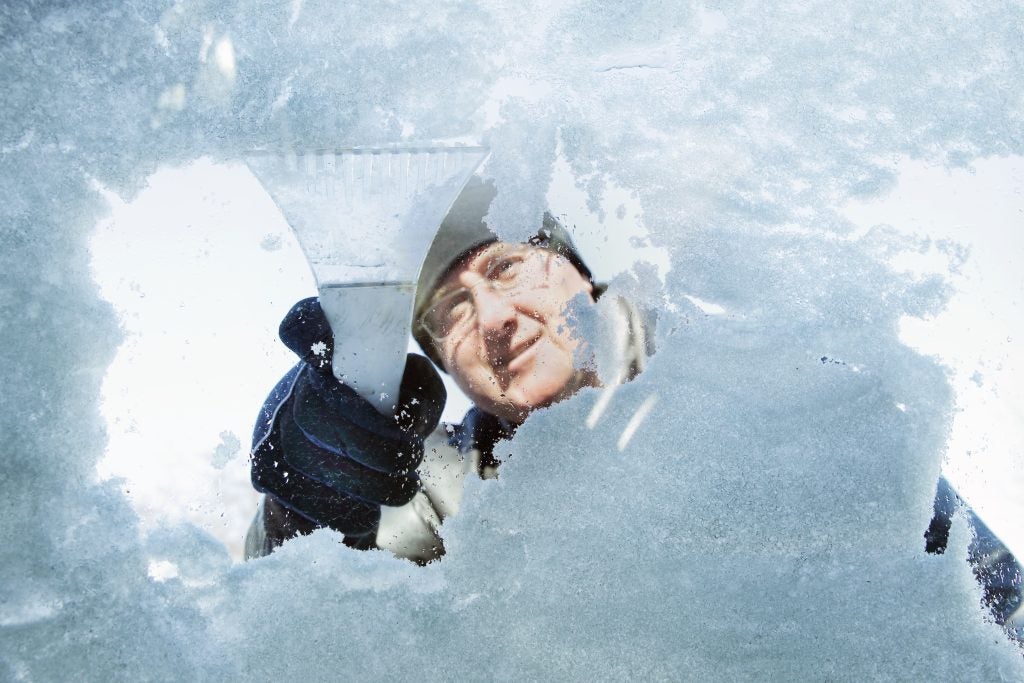
Man scrapping snow and ice off windshield

Tips & Advice For Winterizing Your Car, Truck, Or SUV In Wisconsin.

Vehicle winterization - whether this will be your first winter in Wisconsin, or you're born and raised in cheese-country, it's something every Wisconsinite must prepare for. The morning temperatures are dipping below freezing, highs are lucky to break freezing, accumulating snow will soon be piling up, but have you winterized your vehicle? Thankfully, most of us only need to brave these elements for brief periods at a time, usually as long as it takes to go from a heated building to one’s vehicle and back into another heated sanctuary. But if the freezing temps, gusty winds, and icy snow in the Madison area are hard on you for the few moments you’re out, think about the brutal beating your car takes. Does your vehicle need winterization help? Your vehicle may have been sitting out for hours. The last thing you want to do is trudge over the frozen landscape, reach your vehicle, turn the key in the ignition, and – oh no! – all you hear is a hideous series of click-click-clicks, groans, and exhausted whirs. The engine isn’t turning over. Why didn’t you winterize your ride!? Luis Roman, Assistant Service Manager at Smart Motors in Madison, says there’s no time like the present to start getting your vehicle in shape for the unpredictable winter season. He says every year he is asked by multiple people what the most important factors are when preparing a vehicle for the challenges winter can pose. And with the Farmers’ Almanac predicting a snowy winter with colder than normal temperatures, it is probably a good idea to take note of the winterization check list he shares with others. Luis Roman - Assistant Service Manager “The top item on any vehicle winterization list is fairly obvious,” he says. “It’s having a quality, fully charged, and undamaged BATTERY.” Roman says it takes more power to start a car in the winter because battery power decreases as the temperature drops. If your battery is already having problems, your risk of breaking down or becoming stranded increases. It is recommended to have a battery with at least the vehicle manufacturers CCA rating, most hybrids will have 12 volt batteries under 400 CCA which are fine for that application Car Battery Tester The second and third items on Roman’s list are TIRES and BRAKES. Thankfully the cold doesn’t necessarily harm these components, but it doesn’t hurt to make sure they are in the best condition to handle the hazards of winter driving. He says most drivers don’t think about their tires until they have to swerve or brake suddenly - often with serious consequences. According to the National Highway Traffic Safety Administration, about nine percent of vehicle crashes are tire-related and could be prevented with proper tire maintenance. “All-season tires are what I recommend to most drivers,” says Roman. “They’re great for people with short commutes and little reason to veer far from the beaten path.” According to Roman, all-season tires are also very convenient, as they don’t need to be swapped out with any other set of tires seasonally. Tire Tread Depth & Stopping Distances “When people need to commute to and from work from a rural area, I almost always say they should go with snow tires,” says Roman. “They can swap out with their regular tires in early November or so. And having two sets of tires puts less wear and tear on both pairs, so you can have them for quite a long while.” Top Five Best Winter Tires Michelin X-Ice Xi3 Bridgestone Blizzak WS90 Dunlop Winter Maxx WM02 General AltiMAX Arctic Continental Winter Contact TS830 Shop for tires for your for your vehicle. The fourth item on Roman’s list is WINDSHIELD WIPER BLADES. He says that there are blades specifically made for winter driving, and they could really be a lifesaver. “You really never know what winter is going to throw at you, so it’s best to be prepared,” he says. “It could be freezing rain, wintery mix, wet snow, or the car in front of you splashing your windshield with the dirty, salty slush on the road. Windshields really take a beating in the winter.” Wisconsin Snow Plow on City Streets The amount of debris that could potentially block your view needs to be cleared for you to be able to navigate the winter roads safely. Roman says he constantly hears about harrowing journeys drivers make with bad wipers that just smear the slush around instead of clearing it off the windshield. Or there are the wipers that don’t make contact with the windshield at all! These wipers need to be replaced for your safety and for the safety of others. “Wiper blades are inexpensive, and many people can install them themselves,” he says. “So please check yours before the snow flies. The last thing you want to do is drive blind.” Roman says there are a few other items that you might want to have a professional check for you before winter is in full swing: What Should I Have My Mechanic Inspect On My Car Before Winter? • The cooling system – Your automotive service technician can tell you what antifreeze should be used and the appropriate coolant-to-water ratio to avoid potential freezing. • Belts, hoses, spark plugs, wires and cables – While they can go bad at any time, if they do in the winter, you could be stuck in the cold for an unfortunately long period. “These areas might seem small compared to the engine or fuel intake system, but without the small things aiding the large items, your vehicle will not function properly,” he says. Aside from vehicle winterization, Roman says for safety reasons all motorists should have a cell phone and a phone charger handy, and drivers shouldn’t let their gas go much below a half tank in the wintertime, either. Plus he recommends keeping a worst-case-scenario-kit in your vehicle, filled with the following items: What Items Should I Keep In My Car During Winter In Wisconsin? • A blanket • Several heavy duty garbage bags: Can be a makeshift rain coat; keep your clothing off the wet ground when changing a tire, or to collect wet items. • A shovel • Kitty Litter - which can help aid in traction • Jumper cables or a battery-powered portable booster • Flashlight or emergency light • First aid kit • Food • Jack and spare tire: Know how to use them — practice if necessary. About Smart Motors Smart Motors was founded in 1908 by O.D. Smart and is one of the nation’s oldest automotive dealerships, is the mid-west’s largest hybrid dealer and one of Wisconsin’s largest volume Toyota dealers. Located at 5901 Odana Road, Smart Motors is Wisconsin’s only two-time President’s Cabinet Award recipient from Toyota Motor Sales for superior customer service & sales volume. For more information, check out their history.


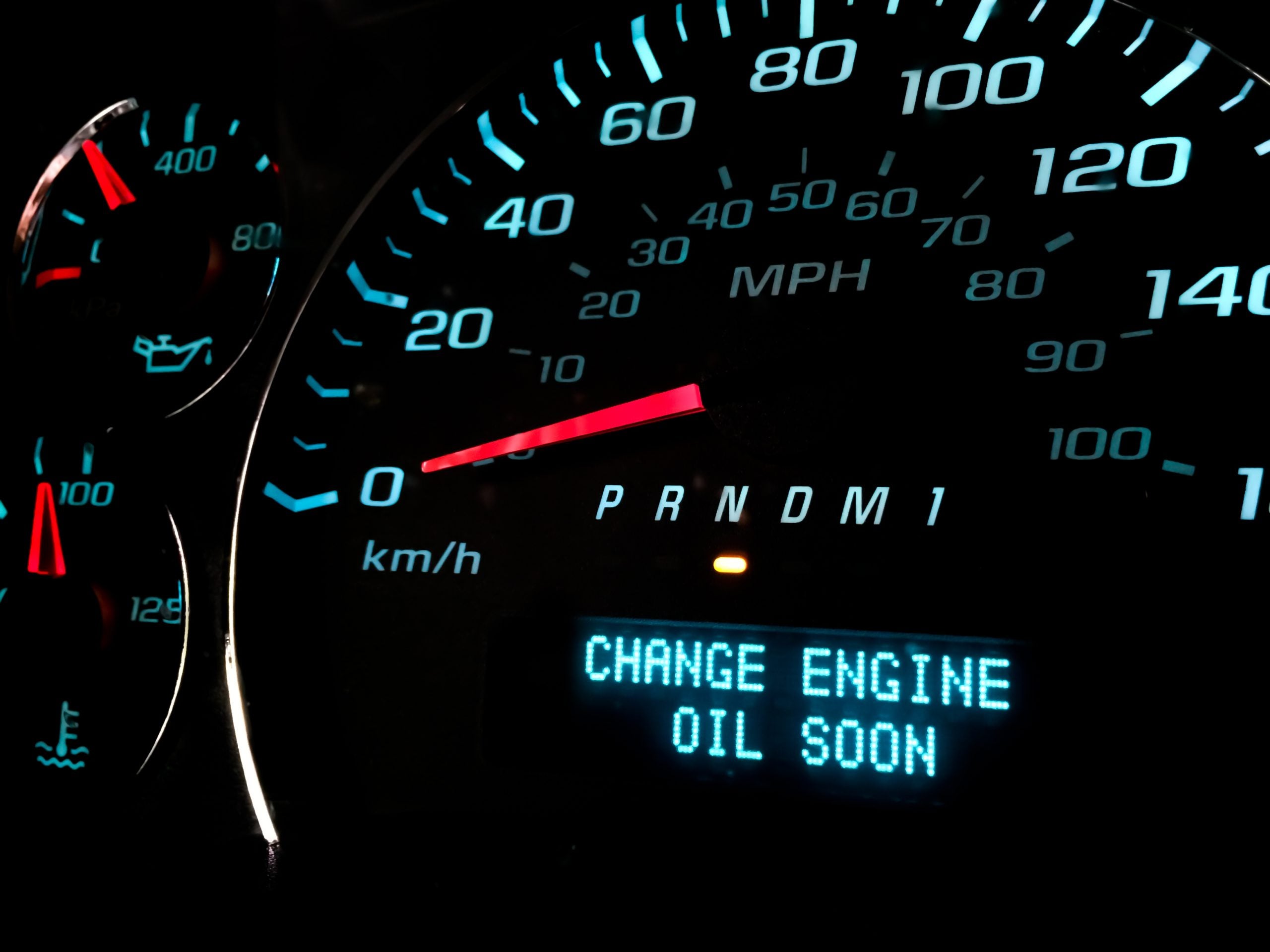
Engine Oil: Regular vs Synthetic

What type of oil is best for my car? You’re driving along, just minding your own business. Out of the corner of your eye you spot a little sticker on your windshield provided by the service station a while back. You squint at it briefly, trying to keep your eyes on the road. What does it say? You reach your destination, park, and as you exit the car you read the sticker more closely. Dang! Oil change time! Regular Auto Maintenance is the Key No biggie, you think. Oil changes don’t take very long and often times you don’t even need an appointment. So a few days later, you drive to your local service station, pull in and tell the service advisor, “time for an oil change”. They respond, “Great. Regular or synthetic? Dumbfounded, you ask what they would recommend. Wouldn’t it be best to know what oil is best for your particular vehicle and why? “Having your oil changed regularly is one of the easiest things you can do to preserve the life of your vehicle,” says Luis Roman, Assistant Service Manager at Smart Motors. “Oil is your vehicle’s lifeblood.” Luis Roman | Assistant Service Manager Roman says oil is what keeps the components of the engine working efficiently. It also reduces the accumulation of varnish and carbon from collecting in the engine. In order to protect and keep your engine running smoothly, oil collects heat, varnish and carbons. By doing this, and over time, the oil becomes dirty and the additives get depleted. When this happens, the oil is no longer helpful in maintaining the health of the engine. Dirty Engine Oil. “That’s why you need to change the oil regularly,” says Roman. “And don’t forget to change the oil filter too. Without regular maintenance your engine will seize up and die. And you really don’t want that to happen!” What Is The Difference Between Regular And Synthetic Car Engine Oil? But back to the hard question: regular or synthetic oil? There actually is an easy answer for most car owners. Synthetic oil should be used in newer cars, as most engines are manufactured to operate best with it. “Synthetic oil is better than conventional oil when it comes to longevity,” says Roman. “It’s also able to handle extreme high temperatures without breaking down.” So, if synthetic oil is the way to go, why offer conventional oil? Why not use synthetic oil in every vehicle? “Not a good idea. Engines in older vehicles were designed for regular/conventional oil usage,” says Roman. “It’s best to follow the manufacturers recommendation and stick to it. The last thing you want to do is void the manufacturer’s warranty by using an oil not recommended for your specific vehicle.” Vehicle Maintenance; oil change. Vehicle Owners Manual Roman says the easiest thing for consumers to do is consult their vehicle’s owner’s manual. It should specifically state what type of oil is best for your engine. You can also consult with the mechanics at your dealer or service station. They will be able to recommend the proper oil, plus they might share the good news that you can drive further than the traditional 3,000 miles before you’re due for another oil change. About Smart Motors Toyota Smart Motors was founded in 1908 by O.D. Smart and is one of the nation’s oldest automotive dealerships, is the mid-west’s largest hybrid dealer and one of Wisconsin’s largest volume Toyota dealers. Located at 5901 Odana Road, Smart Motors is Wisconsin’s only two-time President’s Cabinet Award recipient from Toyota Motor Sales for superior customer service & sales volume. For more information visit their history page.

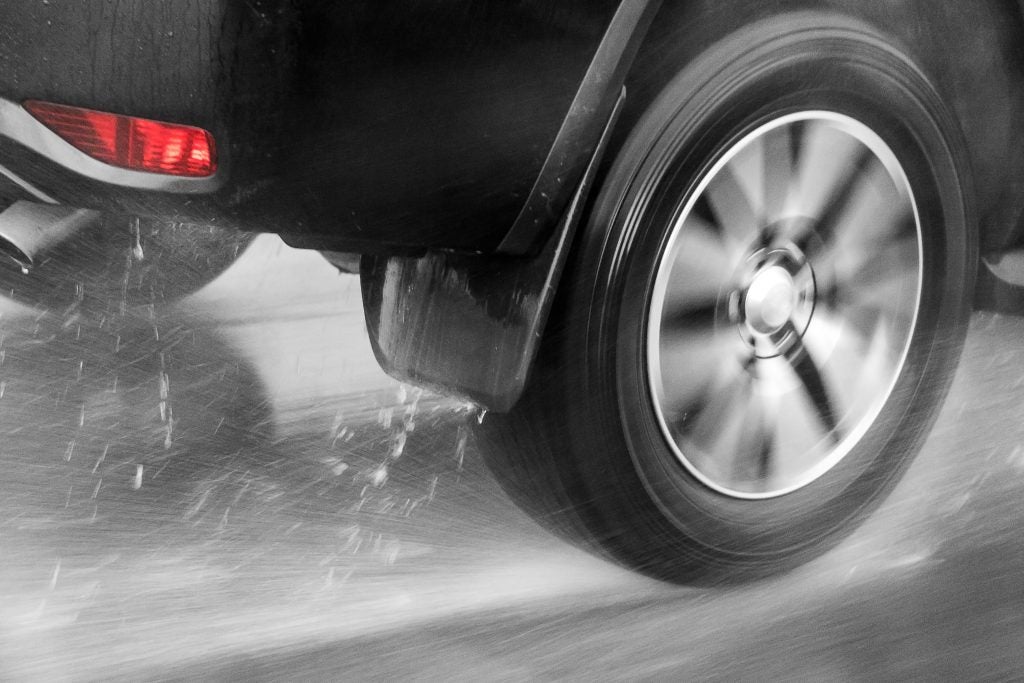
Hydroplaning; Driving in Heavy Rain is no Splashing Matter

Rear wheel in the rain on a wet road. Hydroplaning in road traffic. It happens before you know it You’re driving along on an overcast day. You’re minding your speed, traffic is light, and there doesn’t seem to be anything particular to be concerned about. Suddenly it begins to rain. You know the drill: turn on your windshield wipers, make sure your headlights are on, and tap the brakes to cancel the cruise control. These are all common sense actions all drivers should take even while driving in a light rain. All of a sudden you experience a very odd sensation. Your vehicle seems to be floating above the road. You know what’s happening. It’s happened before. You’re hydroplaning. And hydroplaning can be just as dangerous as sliding across a frozen highway. Hydroplaning usually occurs within the first 10 minutes of a rainstorm when oils, dirt and debris begin to wash off the surface of the road. It also happens when there is too much water for the tread of your tires to scatter, so your vehicle is literally lifted above the surface of the water. What do you do? Take your foot off the accelerator, don’t brake, and wait for your tires to slow down to a point where they can handle dispersing the water. Continue on at this slower speed until the storm lets up. Your tire tread depth is critical “Having quality tires with the proper amount of tread is one of the best things a driver can do to prevent hydroplaning,” says Robert Jordan, Assistant General Manager & Service Director at Smart Motors. “A lot of people wait until winter is approaching to change their balding tires, but we recommend you change your tires at 4/32” remaining tread, regardless of the time of year, so that you don’t experience a lag in wet weather performance.” Robert Jordan - Smart Motors Toyota - Madison WI 100-Year Flood Hydroplaning is just one of the dangers of driving in heavy rains, as many Wisconsinites might have learned in 2018 when we experienced the “100-year flood” in which up to 20 inches of water was collected in certain areas. At Smart Motors in Madison, well over 100 flood damaged vehicles were towed in after the waters subsided to a navigable degree. Owners were hoping against hope their cars and trucks could be repaired. “Time and time again, the service department had to break the news to guests that their car or truck was totaled,” says Jordan. “In fact, the totaled vehicles far outnumbered the ones we could repair.” Jordan says the majority of the totaled vehicles experienced water getting into the engine, which can cause irreversible damage. Jordan says, unfortunately, there is no water-depth rule. He says you don't need to drive through a 12” puddle to cause damage. Even in shallow water, all it takes is just the right splash to find its way into the engine and ruin the vehicle. Prevention & Common Sense Make Sense Preventing water damage can be tricky and certainly not foolproof, but Luis Roman, Assistant Service Manager at Smart Motors says there are some measures drivers should take if there is a threat of flooding. Luis Roman - Smart Motors Toyota - Madison WI “First of all,” he says, “If you don’t absolutely have to drive in flood-like conditions, don’t!” Also, remember the National Weather Service trademark phrase; “Turn Around. Don’t Drown.” If there are flood warnings, the first consideration for a driver is to move the vehicle to a higher ground if that is an option. If this is not an option, Roman says to leave the vehicle where it is. If you are on the road during flood conditions, exercise extreme caution and a use a lot of common sense. Roman says if you can’t see the road because there’s so much standing water, don’t risk driving through it. “You can’t determine water depth without going in,” he says. “My suggestion is to pull over safely and observe other vehicles that may brave their way through the flooding.” Roman also warns during a flood, there may no longer be any roadway under the water and you could drive into an impromptu river. If the water is over 12" in depth, it could sweep a car away. Helpful hints for driving in rainy weather Roman offers these additional helpful hints: • If at all possible, wait to embark on your trip until the weather improves. • Check your tires periodically and replace them if the tread is worn to a dangerously low level. • Slow down • Do not use cruise control • Turn on your headlights. In some cases you might even want to turn on your hazards. • Definitely use your windshield wipers. Replace them if they are damaged or worn. • Maintain a safe distance from other vehicles. • Avoid heavy or sudden braking. • As mentioned above, be wary of standing water. • If you’re hydroplaning, step off the gas and try not to brake. • Ventilate your vehicle to prevent windows from fogging up. About Smart Motors Smart Motors was founded in 1908 by O.D. Smart and is one of the nation’s oldest automotive dealerships, is the mid-west’s largest hybrid dealer and one of Wisconsin’s largest volume Toyota dealers. Located at 5901 Odana Road, Smart Motors is Wisconsin’s only two-time President’s Cabinet Award recipient from Toyota Motor Sales for superior customer service & sales volume. For more information visit their company history.

April is National Car Care Month

Cars, just like humans, need an annual checkup, and there's no better time to do that than during National Car Care Month, which occurs throughout April. National Car Care Month aims to get cars healthy and running in tip-top shape to keep automobiles functioning efficiently through the increased driving that occurs in the summer months. Some simple checkups can increase gas mileage and add to the lifetime of a vehicle. “Car Care Month is just a really good time to make sure your car is running its best,” says Jason Vasen, Master Diagnostic Technician at Smart Motors. “A car is an investment; so paying attention and taking proper care of it is much better than paying thousands of dollars to replace it later.” Jason Vasen - Master Technician - Smart Motors Vasen cites several common trouble areas as spots to pay attention to during Car Care Month and any other time of the year. Tires, filters, oil, interior, and exterior. “The great part about these is just about anyone can perform these functions at home—specialized tools aren't really necessary,” says Vasen. Tires When tires are not correctly inflated, they just don't perform properly. With a simple tire gauge that costs under $10, people can see if tires are at the manufacturer's suggested level. The vehicle suggested inflation level is usually found on a sticker inside the driver’s side door or the glovebox or in the owner’s manual. And it is good to be at the proper level. For every three PSI (Pounds per Square Inch) below that level a car tire loses, it becomes one percent less efficient and wears 10 percent faster. These numbers add up cumulatively, so if a car is 10 PSI under, that's over three percent of wasted fuel every time someone gets behind the wheel. If someone doesn't want to get a tire gauge, just keep in mind, looks aren't deceiving. If the tire looks low, it is most likely low. Filters The vast majority of vehicles have internal combustion engines. And the science behind combustion requires both a fuel source and air. If this air isn't clean, it will hamper the combustion process, which is why cars have engine air filters. However, if these filters are dirty, they will let these impurities through and decrease efficiency by up to seven percent. To check the air filter, look in the owner's manual and find out where the filter is located. Then pop open the hood and remove the filter. Hold it up to the sun; if light streams through, the filter is good. If not, drop it on the ground several times and retest. If sunlight is still not visible, a new filter is required. Oil Change & Tire Rotation Everyone knows cars need oil changes, but why? The purpose of oil in a car engine is to keep all internal parts lubricated and running smoothly. As oil ages or gets used, it breaks down and its lubricating properties diminish. An oil change replaces the dirty oil and allows parts to be freshly lubricated with new oil. Almost all models of cars include an engine oil dipstick to allow people to check the vehicles engine oil level. Locate the dipstick, pull it out, and place it back in the engine, ensuring it goes all the way down. Pull it out, and without changing the orientation, see where the oily part meets the dry part, if it's between the two marks on the stick, the oil level is good. Exterior A winter season full of salt and sand can do a number on the exterior and can even lead to rusting. As temperatures rise, it's advised to visit a good car wash, one that gets all of the random debris not only off the car, but from underneath the car as well. Waxing a car helps the exterior paint last longer and shine. Instead of applying one heavy coat of wax, apply several thin coats, after the previous coat has cured. This technique will bring out the vehicles best color and depth. Interior A good thorough cleaning of carpet and upholstery will remove stains, and winter’s tracked in salty residue. This will leave the car clean and smelling fresh. A word of caution when cleaning windows, do not use a glass cleaner to clean the rear window, as this can cause damage to the rear window defogger heater wires. Smart Motors Founded in 1908 by O.D. Smart, Smart Motors is one of the nation’s oldest automotive dealerships, is the mid-west’s largest hybrid dealer and one of Wisconsin’s largest volume Toyota dealers. Located at 5901 Odana Road, Smart Motors is Wisconsin’s only two-time President’s Cabinet Award recipient from Toyota Motor Sales for superior customer service & sales volume. Dealership's History.

Contact Us

Fill out this form below and we'll contact you shortly
*Required Fields