

Blog / Madison Toyota Dealer

Blog

All Madison Toyota Dealer Toyota Vehicles Exploring Madison Around Town Driving Safety Car Maintenance Hybrid Vehicles Community Madison Toyota Service Toyota Car Care Tips Smart Toyota Service Smart Toyota News Toyota Safety Toyota Corolla Toyota Highlander Toyota Prius Charity Support Toyota Camry Toyota Sienna Madison Used Cars Toyota RAV4 Smart Motors Certified Used Vehicles Smart Toyota New Inventory Green Energy Smart Motors Used Cars Smart Motors Used Vehicles Toyota Supra Toyota Tundra Toyota Yaris Auto Body Repair Auto Body Shop Ball Body Shop Local Festivals Smart Buys Cars Smart Toyota Auto Parts Toyota Tacoma Employment Toyota 4Runner Toyota Avalon Toyota bZ4X Toyota C-HR Toyota Corolla Cross Toyota Land Cruiser Toyota Sequoia Toyota TRD Vehicle Acquisition Vehicle Buying

Engine Oil: Regular vs Synthetic

What type of oil is best for my car? You’re driving along, just minding your own business. Out of the corner of your eye you spot a little sticker on your windshield provided by the service station a while back. You squint at it briefly, trying to keep your eyes on the road. What does it say? You reach your destination, park, and as you exit the car you read the sticker more closely. Dang! Oil change time! Regular Auto Maintenance is the Key No biggie, you think. Oil changes don’t take very long and often times you don’t even need an appointment. So a few days later, you drive to your local service station, pull in and tell the service advisor, “time for an oil change”. They respond, “Great. Regular or synthetic? Dumbfounded, you ask what they would recommend. Wouldn’t it be best to know what oil is best for your particular vehicle and why? “Having your oil changed regularly is one of the easiest things you can do to preserve the life of your vehicle,” says Luis Roman, Assistant Service Manager at Smart Motors. “Oil is your vehicle’s lifeblood.” Luis Roman | Assistant Service Manager Roman says oil is what keeps the components of the engine working efficiently. It also reduces the accumulation of varnish and carbon from collecting in the engine. In order to protect and keep your engine running smoothly, oil collects heat, varnish and carbons. By doing this, and over time, the oil becomes dirty and the additives get depleted. When this happens, the oil is no longer helpful in maintaining the health of the engine. Dirty Engine Oil. “That’s why you need to change the oil regularly,” says Roman. “And don’t forget to change the oil filter too. Without regular maintenance your engine will seize up and die. And you really don’t want that to happen!” What Is The Difference Between Regular And Synthetic Car Engine Oil? But back to the hard question: regular or synthetic oil? There actually is an easy answer for most car owners. Synthetic oil should be used in newer cars, as most engines are manufactured to operate best with it. “Synthetic oil is better than conventional oil when it comes to longevity,” says Roman. “It’s also able to handle extreme high temperatures without breaking down.” So, if synthetic oil is the way to go, why offer conventional oil? Why not use synthetic oil in every vehicle? “Not a good idea. Engines in older vehicles were designed for regular/conventional oil usage,” says Roman. “It’s best to follow the manufacturers recommendation and stick to it. The last thing you want to do is void the manufacturer’s warranty by using an oil not recommended for your specific vehicle.” Vehicle Maintenance; oil change. Vehicle Owners Manual Roman says the easiest thing for consumers to do is consult their vehicle’s owner’s manual. It should specifically state what type of oil is best for your engine. You can also consult with the mechanics at your dealer or service station. They will be able to recommend the proper oil, plus they might share the good news that you can drive further than the traditional 3,000 miles before you’re due for another oil change. About Smart Motors Toyota Smart Motors was founded in 1908 by O.D. Smart and is one of the nation’s oldest automotive dealerships, is the mid-west’s largest hybrid dealer and one of Wisconsin’s largest volume Toyota dealers. Located at 5901 Odana Road, Smart Motors is Wisconsin’s only two-time President’s Cabinet Award recipient from Toyota Motor Sales for superior customer service & sales volume. For more information visit their history page.

Hydroplaning; Driving in Heavy Rain is no Splashing Matter

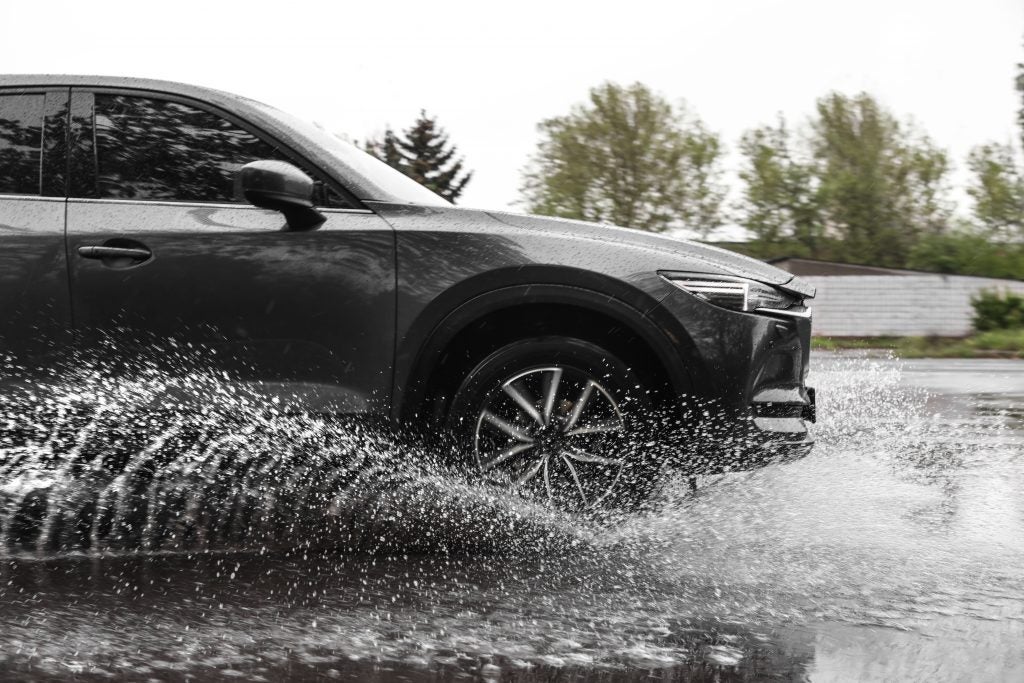
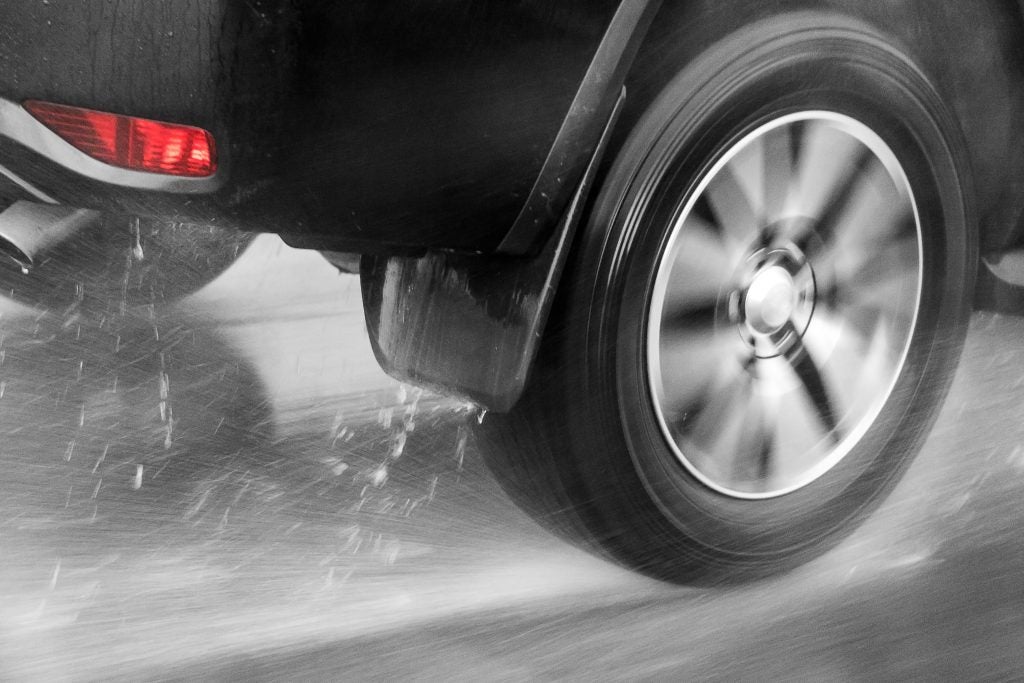
Rear wheel in the rain on a wet road. Hydroplaning in road traffic. It happens before you know it You’re driving along on an overcast day. You’re minding your speed, traffic is light, and there doesn’t seem to be anything particular to be concerned about. Suddenly it begins to rain. You know the drill: turn on your windshield wipers, make sure your headlights are on, and tap the brakes to cancel the cruise control. These are all common sense actions all drivers should take even while driving in a light rain. All of a sudden you experience a very odd sensation. Your vehicle seems to be floating above the road. You know what’s happening. It’s happened before. You’re hydroplaning. And hydroplaning can be just as dangerous as sliding across a frozen highway. Hydroplaning usually occurs within the first 10 minutes of a rainstorm when oils, dirt and debris begin to wash off the surface of the road. It also happens when there is too much water for the tread of your tires to scatter, so your vehicle is literally lifted above the surface of the water. What do you do? Take your foot off the accelerator, don’t brake, and wait for your tires to slow down to a point where they can handle dispersing the water. Continue on at this slower speed until the storm lets up. Your tire tread depth is critical “Having quality tires with the proper amount of tread is one of the best things a driver can do to prevent hydroplaning,” says Robert Jordan, Assistant General Manager & Service Director at Smart Motors. “A lot of people wait until winter is approaching to change their balding tires, but we recommend you change your tires at 4/32” remaining tread, regardless of the time of year, so that you don’t experience a lag in wet weather performance.” Robert Jordan - Smart Motors Toyota - Madison WI 100-Year Flood Hydroplaning is just one of the dangers of driving in heavy rains, as many Wisconsinites might have learned in 2018 when we experienced the “100-year flood” in which up to 20 inches of water was collected in certain areas. At Smart Motors in Madison, well over 100 flood damaged vehicles were towed in after the waters subsided to a navigable degree. Owners were hoping against hope their cars and trucks could be repaired. “Time and time again, the service department had to break the news to guests that their car or truck was totaled,” says Jordan. “In fact, the totaled vehicles far outnumbered the ones we could repair.” Jordan says the majority of the totaled vehicles experienced water getting into the engine, which can cause irreversible damage. Jordan says, unfortunately, there is no water-depth rule. He says you don't need to drive through a 12” puddle to cause damage. Even in shallow water, all it takes is just the right splash to find its way into the engine and ruin the vehicle. Prevention & Common Sense Make Sense Preventing water damage can be tricky and certainly not foolproof, but Luis Roman, Assistant Service Manager at Smart Motors says there are some measures drivers should take if there is a threat of flooding. Luis Roman - Smart Motors Toyota - Madison WI “First of all,” he says, “If you don’t absolutely have to drive in flood-like conditions, don’t!” Also, remember the National Weather Service trademark phrase; “Turn Around. Don’t Drown.” If there are flood warnings, the first consideration for a driver is to move the vehicle to a higher ground if that is an option. If this is not an option, Roman says to leave the vehicle where it is. If you are on the road during flood conditions, exercise extreme caution and a use a lot of common sense. Roman says if you can’t see the road because there’s so much standing water, don’t risk driving through it. “You can’t determine water depth without going in,” he says. “My suggestion is to pull over safely and observe other vehicles that may brave their way through the flooding.” Roman also warns during a flood, there may no longer be any roadway under the water and you could drive into an impromptu river. If the water is over 12" in depth, it could sweep a car away. Helpful hints for driving in rainy weather Roman offers these additional helpful hints: • If at all possible, wait to embark on your trip until the weather improves. • Check your tires periodically and replace them if the tread is worn to a dangerously low level. • Slow down • Do not use cruise control • Turn on your headlights. In some cases you might even want to turn on your hazards. • Definitely use your windshield wipers. Replace them if they are damaged or worn. • Maintain a safe distance from other vehicles. • Avoid heavy or sudden braking. • As mentioned above, be wary of standing water. • If you’re hydroplaning, step off the gas and try not to brake. • Ventilate your vehicle to prevent windows from fogging up. About Smart Motors Smart Motors was founded in 1908 by O.D. Smart and is one of the nation’s oldest automotive dealerships, is the mid-west’s largest hybrid dealer and one of Wisconsin’s largest volume Toyota dealers. Located at 5901 Odana Road, Smart Motors is Wisconsin’s only two-time President’s Cabinet Award recipient from Toyota Motor Sales for superior customer service & sales volume. For more information visit their company history.

woman enjoying a summer road trip

Summer Road Trip & Vehicle Maintenance Tips

Dreaming of the great outdoors and pondering the perfect destination for your next summer road trip with friends or family is exciting. Is it a lake house, the beach, or perhaps visiting as many Wisconsin state parks as possible in a two-week period? Regardless of your ultimate destination, the heat of summer can be just as hard on a vehicle as the freezing temperatures of winter. And just like its seasonal counterpart, summer is not a time when one would like to experience any maintenance drama. The mere thought of any component of a vehicle overheating, a belt or hose drying out, cracking, or breaking, or the A/C suddenly going out is a bummer. One does not want to be baking in a sweltering hot car during the long days of summer. Vehicle Summer-ization for Summer Road Trips “Wisconsinites know how important it is to winterize their vehicles, but often they neglect to ‘summer-ize’ them, too,” says Luis Roman, Assistant Service Manager at Smart Motors in Madison. “While some things can easily be done by the owner, there are also some where a service professional comes in handy.” Luis Roman, Assistant Service Manager Roman says the maintenance in general has become increasingly important over the past few years. With both new and previously owned vehicles being in short supply – obtaining a new car, truck or SUV can take six months or more - staying on top of seasonal upkeep is paramount. “In the long run,” says Roman, “it’s going to be much more economical to make minor repairs than it is to try to jump into a different new or used vehicle.” Roman says $500 for something like a radiator flush or a brake repair is not going to hurt your wallet quite like the $500 per month you could face if you’re forced to purchase a new vehicle in the current economy. He says there are many steps one can take to be proactive with “summarizing” to avoid drastic situations. Proactive Car And SUV Maintenance First, he suggests, is to have a qualified service technician thoroughly inspect your vehicle’s HVAC (heating, ventilating and air conditioning) system at least once a year. Often you can request this service in conjunction with another service such as an oil change. Typical A/C Service includes; • A visual inspection of hoses, lines, seals and other components for leaks as well as inspecting the drive belt for cracks or damage. • A check of pressures to test operation, refrigerant charge and outlet temperatures. • If the system is found to be low on refrigerant, a leak test is performed to find the source of the leak. Keep in mind if your vehicle is leaking refrigerant, it is damaging the ozone layer. • A/C service should also include a check of the compressor’s drive belt and tension. These measures should be enough to get you comfortably through the heat, but Roman says his team is trained to offer additional measures that will help your car stave off the heat of the street. Additional procedures either the vehicle owner or service technician can perform are: Road Trip Checklist • Check the level and strength of the coolant. A low coolant level may allow your engine to overheat. Make sure the coolant reservoir is filled to the proper level. Wait until the engine has cooled to check the level inside the radiator. If low, add a 50/50 mixture of the specified coolant and water. • Make sure the cooling fan works. The electric cooling fan should come on when the air conditioner is turned on to MAX. No fan may mean a defective fan motor, relay or electrical problem. • Battery evaluation. Batteries are lasting longer than they used to but the key with a battery evaluation is in the testing which gives both the available cold cranking amps vs. what the battery is rated for and the second is a battery health check which indicates potential battery life and can often predict a battery failure before there are symptoms. Hot weather is actually harder on batteries than cold weather because it increases the rate of evaporation of the liquid electrolyte inside the battery. • Change the oil. Replacing old dirty oil with fresh oil can increase the lubrication protection for your engine. • Check or replace the windshield wipers. Natural rubber wiper blades have a limited life of a year or less. Sun exposure, extreme heat and cold all age the rubber and cause it to become hard and brittle. • Check tires. Check the tire for wear, uneven wear, age cracks or damage. Check the inflation pressure in all the tires, including the spare. Underinflated tires make the tires run hot and increases the risk of a blowout. Being Prepared is the Key Lastly, Roman says there are a few steps vehicle owners can do themselves to stay cool: Exterior Paint Protective (wax) helps prevent fading • Wax the body. Your vehicle’s body should be waxed or sprayed with some type of protectant to help shield the paint from the ultraviolet rays from the sun, and summer smog in urban areas. • Keep your cool. Buy a sun shade for the windshield to reflect light so the interior doesn't get so hot if the vehicle is parked in direct sunlight. Also, close the sunroof sunshade, and leave the windows cracked so hot air can escape. This can lighten the cooling load on the air conditioner when the vehicle is first started, and prevent you from getting a hot seat or burning yourself on hot interior surfaces. • Protect yourself. Wear a hat and sun screen, and carry a bottle of water in the car in case you get stuck for a long period of time in traffic or have a break-down on a hot day. Roman says these precautions should be enough to keep you and your vehicle cool. Of course bad things happen at the absolute worst time, but taking some simple preventative measures should drastically lower the risk of them happening to you. About Smart Motors Toyota In Madison, WI Smart Motors was founded in 1908 by O.D. Smart and is one of the nation’s oldest automotive dealerships, is the mid-west’s largest hybrid dealer and one of Wisconsin’s largest volume Toyota dealers. Located at 5901 Odana Road, Smart Motors is Wisconsin’s only two-time President’s Cabinet Award recipient from Toyota Motor Sales for superior customer service & sales volume. For more information, check out their history. visit https://www.smarttoyota.com/our-history.html

April is National Car Care Month

Cars, just like humans, need an annual checkup, and there's no better time to do that than during National Car Care Month, which occurs throughout April. National Car Care Month aims to get cars healthy and running in tip-top shape to keep automobiles functioning efficiently through the increased driving that occurs in the summer months. Some simple checkups can increase gas mileage and add to the lifetime of a vehicle. “Car Care Month is just a really good time to make sure your car is running its best,” says Jason Vasen, Master Diagnostic Technician at Smart Motors. “A car is an investment; so paying attention and taking proper care of it is much better than paying thousands of dollars to replace it later.” Jason Vasen - Master Technician - Smart Motors Vasen cites several common trouble areas as spots to pay attention to during Car Care Month and any other time of the year. Tires, filters, oil, interior, and exterior. “The great part about these is just about anyone can perform these functions at home—specialized tools aren't really necessary,” says Vasen. Tires When tires are not correctly inflated, they just don't perform properly. With a simple tire gauge that costs under $10, people can see if tires are at the manufacturer's suggested level. The vehicle suggested inflation level is usually found on a sticker inside the driver’s side door or the glovebox or in the owner’s manual. And it is good to be at the proper level. For every three PSI (Pounds per Square Inch) below that level a car tire loses, it becomes one percent less efficient and wears 10 percent faster. These numbers add up cumulatively, so if a car is 10 PSI under, that's over three percent of wasted fuel every time someone gets behind the wheel. If someone doesn't want to get a tire gauge, just keep in mind, looks aren't deceiving. If the tire looks low, it is most likely low. Filters The vast majority of vehicles have internal combustion engines. And the science behind combustion requires both a fuel source and air. If this air isn't clean, it will hamper the combustion process, which is why cars have engine air filters. However, if these filters are dirty, they will let these impurities through and decrease efficiency by up to seven percent. To check the air filter, look in the owner's manual and find out where the filter is located. Then pop open the hood and remove the filter. Hold it up to the sun; if light streams through, the filter is good. If not, drop it on the ground several times and retest. If sunlight is still not visible, a new filter is required. Oil Change & Tire Rotation Everyone knows cars need oil changes, but why? The purpose of oil in a car engine is to keep all internal parts lubricated and running smoothly. As oil ages or gets used, it breaks down and its lubricating properties diminish. An oil change replaces the dirty oil and allows parts to be freshly lubricated with new oil. Almost all models of cars include an engine oil dipstick to allow people to check the vehicles engine oil level. Locate the dipstick, pull it out, and place it back in the engine, ensuring it goes all the way down. Pull it out, and without changing the orientation, see where the oily part meets the dry part, if it's between the two marks on the stick, the oil level is good. Exterior A winter season full of salt and sand can do a number on the exterior and can even lead to rusting. As temperatures rise, it's advised to visit a good car wash, one that gets all of the random debris not only off the car, but from underneath the car as well. Waxing a car helps the exterior paint last longer and shine. Instead of applying one heavy coat of wax, apply several thin coats, after the previous coat has cured. This technique will bring out the vehicles best color and depth. Interior A good thorough cleaning of carpet and upholstery will remove stains, and winter’s tracked in salty residue. This will leave the car clean and smelling fresh. A word of caution when cleaning windows, do not use a glass cleaner to clean the rear window, as this can cause damage to the rear window defogger heater wires. Smart Motors Founded in 1908 by O.D. Smart, Smart Motors is one of the nation’s oldest automotive dealerships, is the mid-west’s largest hybrid dealer and one of Wisconsin’s largest volume Toyota dealers. Located at 5901 Odana Road, Smart Motors is Wisconsin’s only two-time President’s Cabinet Award recipient from Toyota Motor Sales for superior customer service & sales volume. Dealership's History.

When Roads Go To Pot... Holes

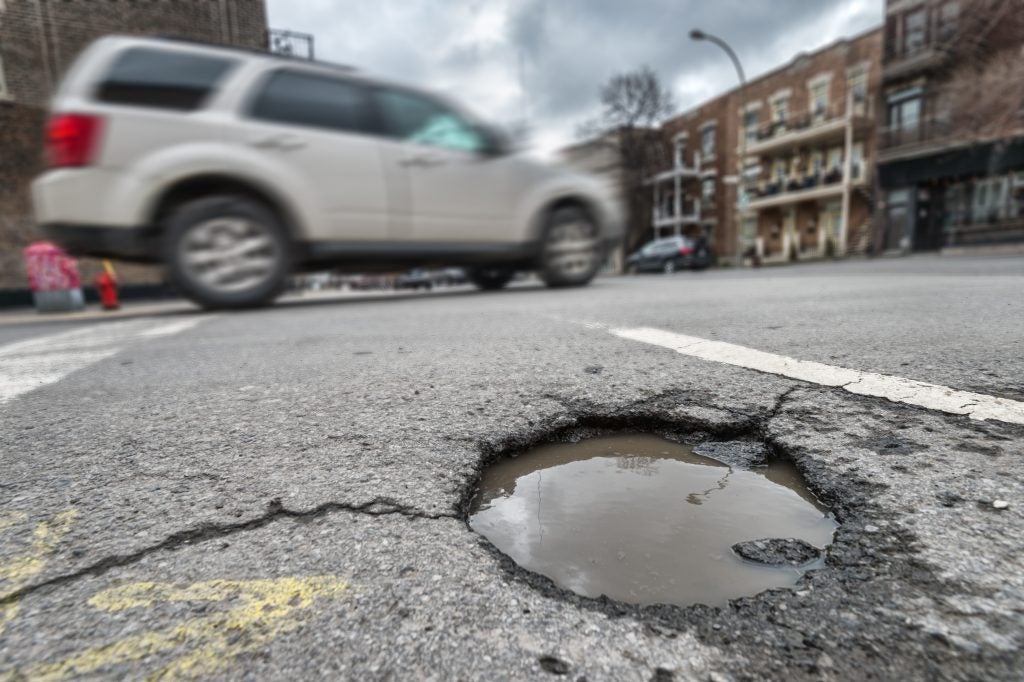
Pothole Season in Wisconsin Potholes Can Cause a Lot of Damage Spring time in Wisconsin is like when a bear comes out of hibernation. Daytime temperatures are pushing 50 degrees, Wisconsinites are sporting shorts and short sleeve shirts, but when the winter frost leaves our roadways we are left with those pesky "potholes" which can cause damage to our vehicle's alignment. The constant freezing and unfreezing of water on roadways can wreak havoc, forming supersize potholes destroying the underside of your vehicle. The automotive specialists at Smart Motors service department have the following advice to help prevent and notice pothole-related damage. Visible damage is the easiest to detect, but may not be the only indication your vehicle needs some attention. One obvious sign of tire damage is when a tire ‘bulges’; which occurs when the steel/fiber ply belt in the sidewall of a tire breaks due to a heavy impact. Luis Roman, Assistant Service Manager at Smart Motors Service Center, says even if your tires don’t have bulges does not necessarily mean you are free from the damage of potholes. Luis Roman, Assistant Service Manager Warning Signs of Pothole Damage If your vehicle pulls to one side, or your steering wheel is visibly off center, Roman suggests being on the safe side and schedule an appointment with a reputable automotive service center and getting an assessment. This way, the vehicle's alignment and other signs of damage can be analyzed and fixed before they become a major problem. Repair costs can vary greatly depending on the extent of damaged parts; from a $200 strut to several thousand dollars for an entire suspension system and cradle. Roman also offers these tips to help protect vehicles against the jarring experience of a pothole encounter: Tips to Protect your Vehicle from Pesky Potholes • Maintain full air pressure in all tires to provide as much cushion as possible between the pothole and the rim of the tire. Consult the vehicle owner’s manual for the correct pressure. • Watch for potholes by leaving plenty of space between your vehicle and the one in front of you. • If a pothole cannot be avoided, slow down BEFORE hitting the pothole. Hitting a pothole at high speed increases the chance of damage to tires, wheels, shocks, struts or springs. • When driving over a pothole-filled road, hold the steering wheel firmly to avoid losing control. • Do NOT brake when directly over a pothole. Applying the brakes causes the car’s weight to shift to the front of the wheel and can increase damage from the impact. • Beware of water that may be concealing a deep pothole. About Smart Motors Smart Motors was founded in 1908 by O.D. Smart and is one of the nation’s oldest automotive dealerships, is the mid-west’s largest hybrid dealer, is one of Wisconsin’s largest volume Toyota dealers and is Wisconsin's largest Toyota Certified Used dealer. Located at 5901 Odana Road, Smart Motors is Wisconsin’s only two-time President’s Cabinet Award recipient from Toyota Motor Sales for superior customer service & sales volume. For more information visit their history page.

Winter salt covered vehicle in Wisconsin

Winter. Should You Wash Your Vehicle or Not?

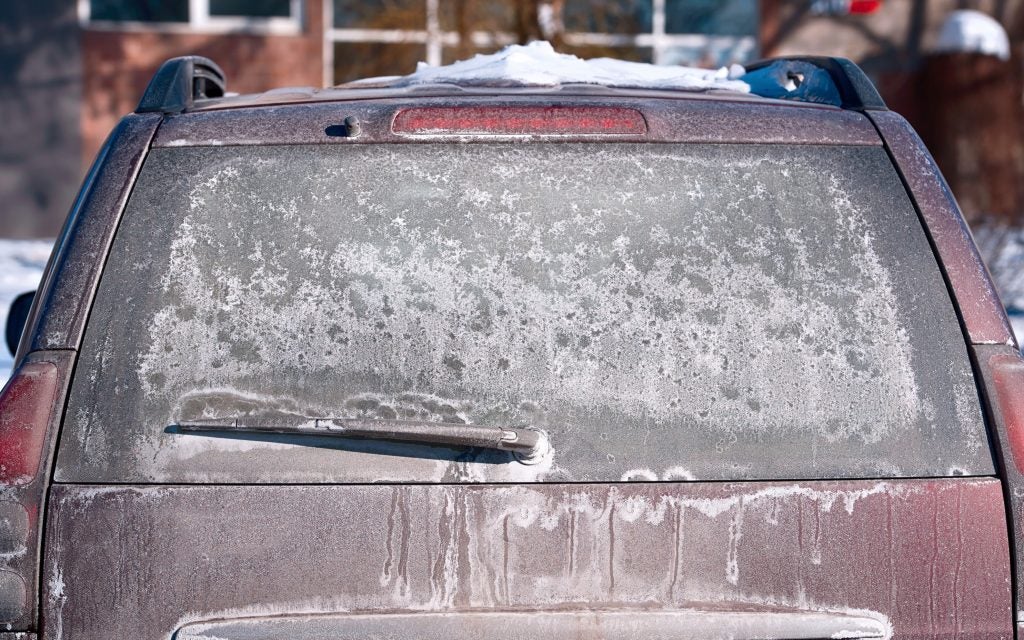
Is it worth it, really? Should I wash my vehicle, or just wait for spring? Under normal circumstances most vehicle owners love their car. It’s like an old friend, cheerfully waiting to take you where you need to go. But as the winter months in Wisconsin drag on, you find your feelings changing toward your tried and true buddy. To wash or not to wash; now that's the question. What was once a summer time escape from reality, suddenly becomes a chore. Come February and March, if you have not washed your vehicle, it becomes salt-covered, sludgy, dishwater-hued beast that is almost indecipherable from most of the other vehicles on the road. And the worst part is you don’t know what you should do about it. Part of you thinks you should probably wash the poor thing, but at the same time, it's Wisconsin - it's going to snow again, plus the streets are just going to be salted again. And on those rare breaks when the temperatures climb into the 40s, everyone and their uncle are in line to run their vehicles through the car wash. Do you just let it go? Jason Vasen, Master Diagnostic Technician at Smart Motors, says you should absolutely not let it go. Jason Vasen - Master Diagnostic Tech - Smart Motors - Madison, WI “Salt may keep the streets safe to drive on, but it’s a terrible thing to have on your car for extended periods of time,” Vasen says. “Salt leads to oxidation and rust. It can take years off the life expectancy of your vehicle.” Car Wash; Outside temperature matters Vasen says Wisconsinites ideally should wash their cars, trucks and SUVs about once every two weeks even in the dead of winter though only wash when outdoor temperatures are in the upper 30’s or in the 40’s to ensure doors and windows won’t freeze. If you're fortunate to have a heated or well insulated garage, you could push this to temps a little lower, but it's always a good idea to dry off your vehicle as well. Pop the hood, open the doors, including hatch/truck and dry them off. Not all car washes are created equal “You want to make sure it’s a quality wash, too,” he says. “Just washing the pretty parts may save your paint job for a few years, but it’s incredibly important to make sure salt and slush are removed from the wheel wells and undercarriage.” A touchless car wash with an underbody high pressure spray option/cycle is what you'll want to look for to help remove the salt, sand and grim from those hard to reach spots. When salt builds up on the wheel wells and undercarriage, it attacks the vehicle’s braking system and suspension, both of which could lead to dangerous situations on the roads. They are both expensive to repair, too, so making sure they are salt-free could save you money down the line. Clean wheel wells and undercarriage “Drivers can also get ahead of the game through routine maintenance,” Vasen says. “Quality mechanics will check for any issues and lubricate or use corrosion inhibitors on parts as needed for the winter months.” And don't forget wiper blades. They are an inexpensive way to ensure clear vision. Did you know? Where one parks during the winter can also play a role in how much damage is or isn’t done to a vehicle because of slushy and salty conditions. Ironically, vehicles parked outside for the duration typically experience less body damage than those that are garage kept. This is because the freezing temperatures do not allow the slush to melt, so it slows down the overall corrosiveness of the salt. “Bottom line; regardless of whether you store your vehicle inside or outside, it really is worth the time, effort and money to make every attempt to keep it clean,” Vasen says. Jason Vasen is a Master Diagnostic Technician at Smart Motors - Madison, WI, and was founded in 1908 by O.D. Smart and is one of the nation’s oldest automotive dealerships, is the mid-west’s largest hybrid dealer and one of Wisconsin’s largest volume Toyota dealers. Located at 5901 Odana Road, Smart Motors is Wisconsin’s only two-time President’s Cabinet Award recipient from Toyota Motor Sales for superior customer service & sales volume. See their history page for more details.

Smart Toyota Madison WI 
Happy New Car Day Digital Signage

Consumers Adapting to 'New Normal'. Vehicle Customization and Pre-Ordering

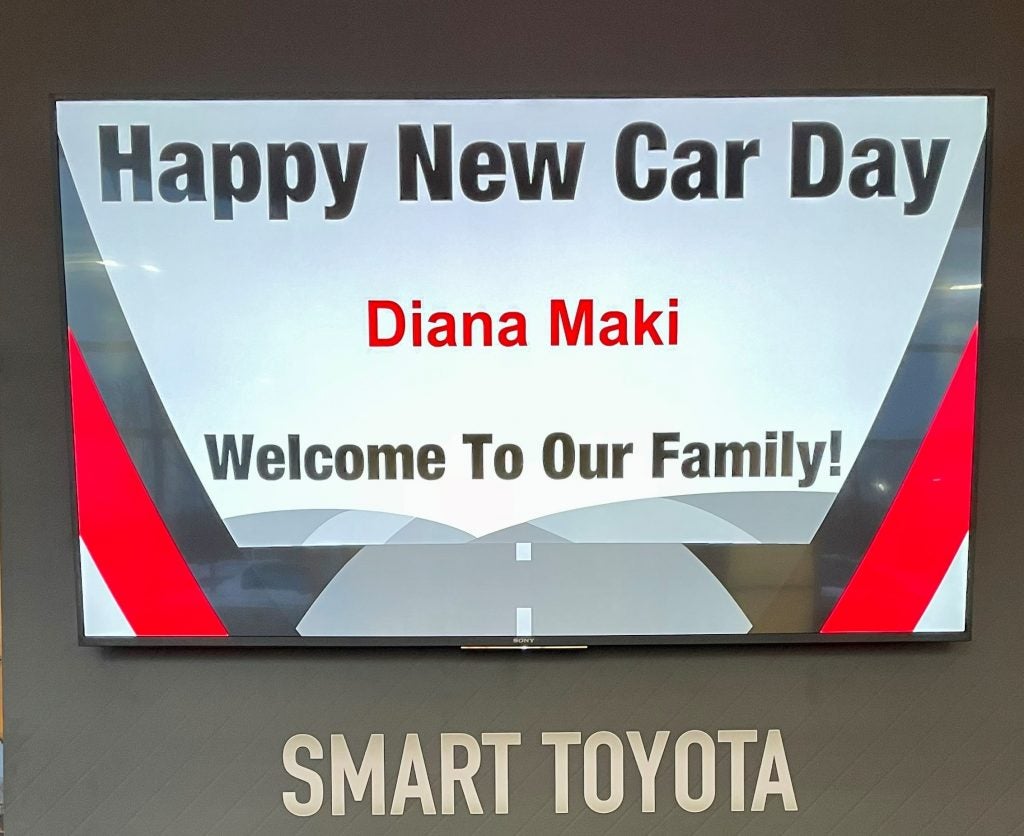
Consumers 'Bang the Gong' to celebrate the arrival of their new Toyota at Smart Toyota Madison WI. Since early 2020, American consumers have had to come to terms with a new kind of normal. Products and services are not as plentiful as we’ve grown accustomed to. Covid-19 and the occasional freak weather patterns have wreaked havoc on a number of industries in many ways, especially in terms of shortages. The restaurant industry is struggling to hire viable and reliable employees. Grocery stores are out of products, specifically goods originating from meat-packing plants. And we all know how paper products like toilet paper were hard to come by for many months. Nearly all industries are having some growing pains adapting to the unavoidable changes taking place, including automobile manufacturers. Madisonians have noticed the dearth of new vehicles for the past several months when they pass by Smart Toyota on Odana Road. What has been a car lot brimming with options for decades has suddenly become a sort of ghost town with only a handful or so of vehicles on the lot. “It’s a very noticeable difference,” says Smart Toyota’s sales director Justin Jackson. “We normally have 400 or more new vehicles on the lot, but since mid-April 2021 we’ve seen a steady decline in the number of New Toyotas we have on the lot. Now we only have maybe 5 to 10 new vehicles physically at the store.” Justin Jackson Sales Director Smart Toyota - Madison, WI Jackson says the pandemic is partially to blame for the shortage because modern vehicles rely on computer chips which became scarce due to manufacturers reallocating them to industries other than automotive. Then, early in 2021 the issue in new vehicle manufacturing were winter storms that crippled Texas -based businesses that are critical in the manufacturing of foam for seats. “If it’s not one thing it’s another,” says Jackson. “We’ve got the chips, but because of the power issues Texas faced in the Spring of 2021, we didn’t have enough foam padding for the seats, and today, as production ramps up, it’s supply chain and logistical issues.” It's Not All Doom and Gloom Those looking to purchase a new vehicle seem to understand the slow-down in global manufacturing, Jackson says. Instead of getting upset they can’t drive off the lot with a vehicle they think is “good enough,” consumers are now more apt to customize and pre-order a vehicle specifically made to their specifications. “It’s kind of cool how people have adapted,” says Jackson. “They might not get that prior sense of immediate gratification of new car ownership, but they get to experience something else: personalization.” Jackson explains the process of pre-ordering has been well-received for a few reasons, one of which is the compassion the consumer feels about simple logistics as they relate to inventory issues in this day and age. Vehicle Customization increases satisfaction “They also really like the fact we can get them exactly what they want; from safety features and amenities, to color preference,” says Jackson. “And when their customized vehicle comes in – usually in about 45 days – they are over the moon when they see the Happy New Car Day sign bearing their name saying the car was made specifically for them. It takes ‘ownership’ to a whole new level.” Custom Pre-Orders on the Rise Jackson says about five percent of Smart’s new vehicle sales used to be custom ordered. Today the percentage has skyrocketed to about 50 percent of the dealership’s monthly new car sales. And, Jackson notes, when a consumer has all the customizable options at his or her disposal, no one opts for a base model in order to save a buck or two. “Often times, though, it’s not options that are the most appealing aspect of pre-ordering,” says Jackson. “Instead, currently, there has been a surge in hybrid vehicle sales. And now in winter, AWD (all-wheel drive) vehicles will see a spike in popularity.” If you know you are going to order a customized vehicle, Jackson says it might be best to do a little homework prior to meeting with a sales consultant. “People take a lot of amenities for granted, but if you’re customizing, you should consider some of the following options,” he says. Custom Pre-Order Checklist Entertainment & Communications: think about your stereo system. Do you still need a CD player? How about satellite radio capability? Hands-free phone control? A video system? Navigation? Comfort & Convenience: this includes upholstery, heated/cooled seats, power door locks, keyless entry, dual climate control, etc. Safety: the simple rule of thumb is the more you can install, the more secure you’ll feel. If you can, opt for dual air bags, anti-lock brakes, traction control, cruise control, and parking assist systems. Appearance: the most enjoyable aspect of customizing is picking out your paint, trim, and wheels. Performance: what do you need to get from point A to point B in your daily life? A larger engine? Sport suspension? 4-wheel drive? Automatic transmission or stick? Jackson says while customers are not complaining right now about having to customize and then wait for their new ride, he anticipates their patience won’t last forever. However, he also doesn’t see new vehicle inventory returning to “normal” in the immediate future, and with customer satisfaction currently at such a high level he’s not overly anxious about it. “At this point, we do not see ‘ground stock’ (vehicles physically on the lot) back to our previously average levels before the end of the year,” he says. “That could change, but we really don’t see it happening until late 2022.”

Getting It Done During an Employee Shortage

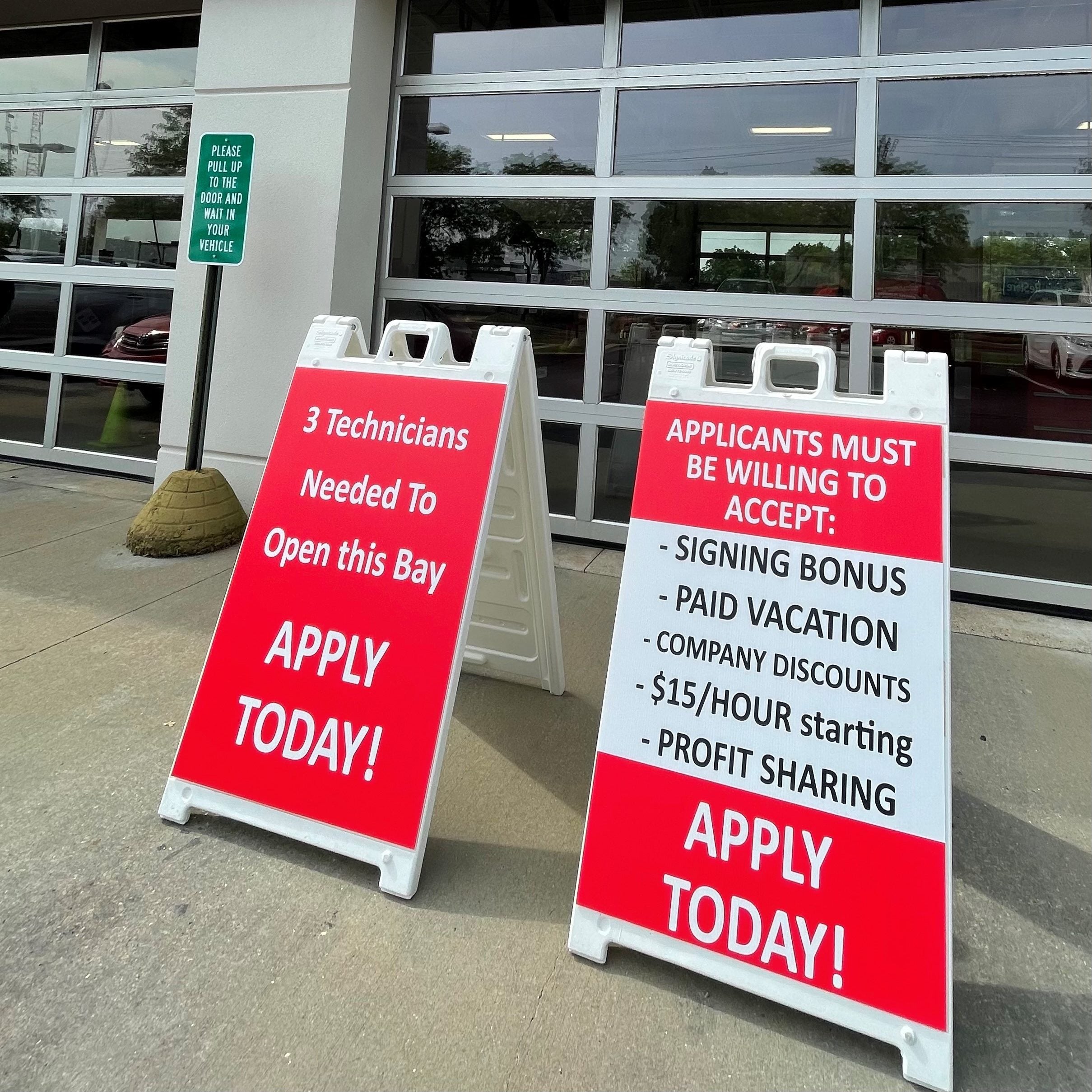
Signage used to attract applicants, while at the same time, explain longer-than-normal wait times. Employee Shortage The world and the way people live in it seems to be changing very rapidly. One aspect of this new way of life, as most of us are aware of, is the lack of people willing to work in the service industry. Essentially, an employee shortage. Frontline staff, even tipped employees are hard to come by as a result of the havoc Covid 19 caused for just about every 'service oriented business'; especially bars, restaurants and yes, the auto service industry. In fact, in December 2020, there were 1.3 million fewer workers in these fields than there were one year earlier. If you're in business, you've been affected. Today, employment shortages have extended to just about every retail establishment. Many industries, including those in the Madison area, are seeking qualified individuals to fill a variety of positions. Take Smart Motors, for example. They have a wide variety of openings for everything from Service Director, Express Maintenance Technicians and Parts people to Vehicle Sales and Management positions. “We have a number of roles to fill,” says Rob Jordan, Assistant General Manager at Smart Motors. “We have positions available for those with and without prior experience or expertise.” The competition to attract these highly sought-after candidates is mounting and local businesses are seeking ways to standout in the sea of ‘help wanted’ signs littered across local storefronts. “We’ve been in the Madison market for over 100 years,” says Jordan. “We have a long history of treating our employees well, and we respect our team members’ time and feel they should be fairly compensated for it.” Express Maintenance Team at Smart Toyota A complete employment package In addition to offering twice the current Wisconsin minimum wage, Smart is finding success with a combination of competitive compensation, signing bonus’ for certain positions, and the following benefits: Competitive Paid Time Off for Full Time and Part Time teammates 7 Paid Holidays Health, Dental, and Vision Insurance 401K Retirement & Company Matching program Aggressive Employee Parts and Service Discounts Annual Company Profit Sharing Keeping an eye on the future After toughing out the initial pitfalls of the Covid pandemic wherein the general public was not purchasing new vehicles, manufacturing & logistic challenges, and even getting a vehicle serviced was something people chose not to do, this particular industry is bouncing back. According to McKinsey & Company, “Intent to purchase new and used vehicles over the next 12 months is almost back to pre-COVID-19 levels (new cars at 94% versus pre-COVID-19 levels, and up by 7% over September 2020; used cars at 97% versus pre-COVID-19 levels, up by 1% compared to September 2020).” “Despite the past several months of not having many new vehicles “on the ground”, we are progressively getting back on track,” says Justin Jackson, General Sales Manager for Smart Toyota. “Demand continues to remain strong, and rest assured the automotive industry isn’t going anywhere. It’s here to stay, so choosing to make it your career is a great investment in your own future.” Jordan cites memes he’s come across recently on the internet encouraging the benefits of trade schools and apprenticeships. He says one in particular really struck him. “It compared a college student with a degree in philosophy and $100,000 worth of debt to a 4-year paid apprentice with no student debt and earning $80K annually,” he says. “I’m certainly not saying we would turn away college educated candidates, but if you have experience and an education in automotive or have a desire to learn, we would really like to meet with you.” About Smart Motors Smart Motors was founded in 1908 by O.D. Smart and is one of the nation’s oldest automotive dealerships, is the mid-west’s largest hybrid dealer and one of Wisconsin’s largest volume Toyota dealers. Located at 5901 Odana Road, Smart Motors is Wisconsin’s only two-time President’s Cabinet Award recipient from Toyota Motor Sales for superior customer service & sales volume.  For more information visit their history page.

2022 Toyota Corolla LE

2022 Toyota Corolla LE Walk-Around

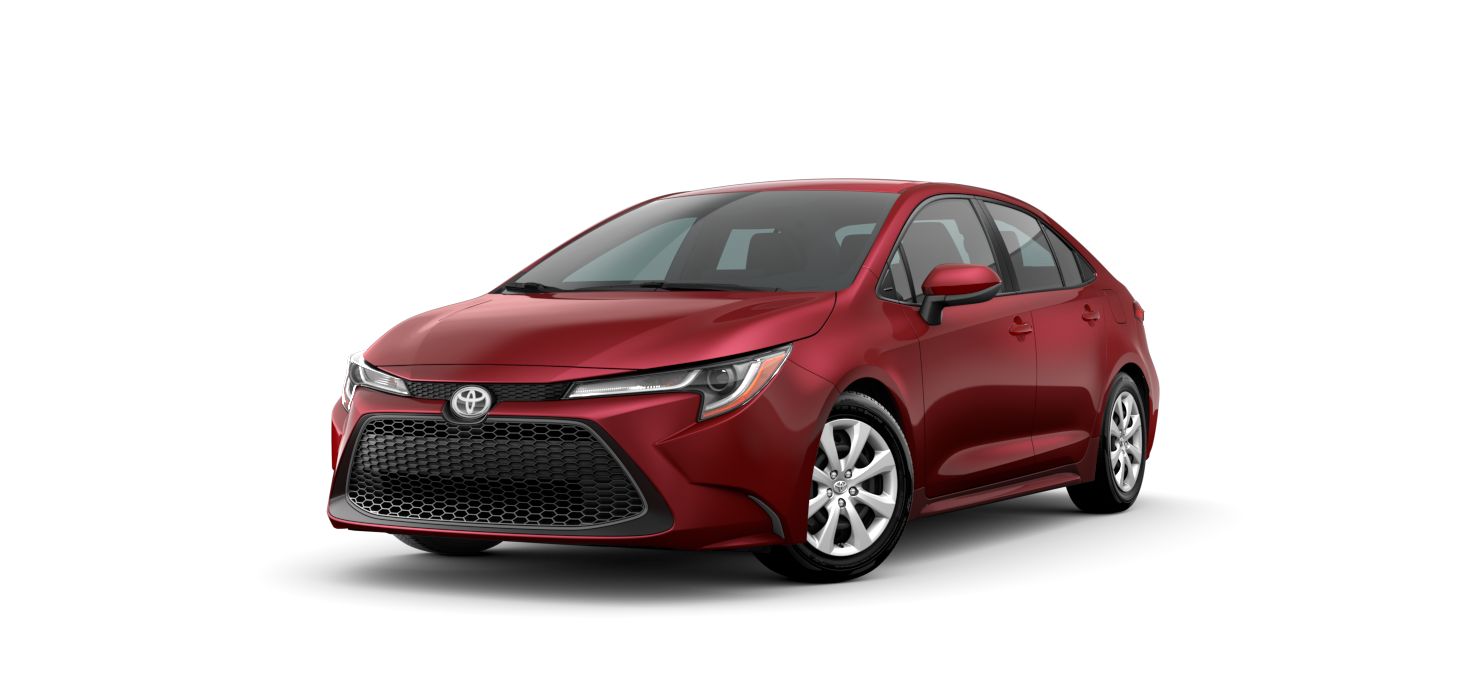
Let’s jump right in! The 2022 Toyota Corolla LE we will be reviewing had an exterior color of ruby flare pearl – which is a new color for the Corolla in 2022, and looks great! To see a complete video walk-a-round on the new 2022 Toyota Corolla LE, check out our YouTube Channel. Sport Mesh Grill So, first we've got a sport mesh grill. Flat black in color, with gloss black trim around the edge. Toyota badge right smack in the middle, and if you didn’t know, behind it is the sensor for the Dynamic Radar Cruise Control, which comes standard as part of the Safety Sense P on the Corolla. Headlights The headlight set up is a full LED headlight projector style headlight, incorporating the Toyota J curve style headlights. Really a nice aggressive look up front. Toyota definitely went for a sporty feel, and we believe accomplished it. Wheels and Tires The wheels and tires on the LE edition are going to be a steel wheel with vinyl wheel cover fitted on 16 inch Yokohama tires. Great all season tire. Disc brakes up front with antilock and traction control on this front wheel drive Corolla. Toyota does offer the Corolla as a hybrid, should that interest you. A Smart Toyota teammate would be happy to show you both. 2022 Toyota Corolla LE Exterior The Corolla LE has colored to match exterior door handles and mirrors, and the mirrors are collapsible, and breakaway. These are power outside mirrors, matte black finish trim up and over the doors, as well as your B pillar. This model we are reviewing does have your traditional keyless entry system. As we swing around the rear, the taillights are full LED, including third brake light. Rear window defrost, color to match shark fin antenna on the roof that works with your Sirius Satellite Radio and chrome Corolla and Toyota badging. There is also a backup camera right above the rear license plate. Then there is a nice matte black finish on your bumper to protect against scratches and we finish things off with single exhaust tip coming out the rear. Pop the Trunk Here we've got a nice low lift, which makes it easy to load and unload. It's also a nice deep trunk with a 60/40 split, which is great for longer cargo, and a cargo light so you can see things at night. Release points for the rear seats (split) are easily accessible and fold flat with the light pull of a lever. And just so you know, the trunk opening is wide enough for a set of golf clubs – bonus! Under the truck mat is where you’ll find the tool kit, and a temporary spare tire. You can check it yourself, but in our opinion there's room underneath there where you should be able to store a set of jumper cables or emergency equipment. Either way you look at it, it’s nice size truck, surprisingly big, for the size of the car overall. Under the Hood of the 2022 Corolla LE Diving under the hood of the Corolla LE; Standard is a 1.8 liter four cylinder gasoline engine that puts out 139 horsepower, a combined fuel economy of 33 miles per gallon, and connected to a CVT automatic transmission. Of course, Toyota does include ToyotaCare with every new vehicle purchase. So that means for the first two years, or 25,000 miles, Toyota is going to cover your oil changes, your fluid top offs and your tire rotations at no additional charge. Behind the Wheel From the driver’s seat, we've got a 3-spoke vinyl steering wheel which is standard. Now for most every vehicle, on the left-hand side, we've got fingertip controls for your information center which displays the readout on the gauge cluster. Additional controls for the sound system, Bluetooth connectivity for your Smartphone and headlight controls with automatic on and off. Toyota has also equipped the 2022 Corolla with Automatic High Beam that can be controlled (on/off) with a button on the left-hand side. The LE does have all of the same safety features you would find on any Toyota Corolla; Toyota Safety Sense. On the right hand side we've got controls for wipers, dynamic radar cruise control and lane departure. Information Center The center Information Center is where you’ll find many of the creature comfort controls, of which you can personalize for your liking. The LE has been upgraded to the eight inch touchscreen and where you’ll access controls for AM, FM, Sirius satellite radio, Bluetooth connectivity, Apple CarPlay, Android Auto and it's Alexa compatible navigations not standard, it's an app you would put on your Smartphone. As we come down the center stack there's four vents, gloss black trim all the way around your entire center stack. We've got front & rear window defrost, Eco mode for our heating and air conditioning system. The ECO mode allows us to set it up so if there is no passenger, you can turn off the heat and air conditioning for this area and save on fuel economy. In the Back Let's go ahead and jump in the backseat. The doors do have a cloth padded armrest, and bottle holder. It is a full cloth interior in the backseat, folding armrest with cupholders, there are three seatbelts and child safety seat anchors for child safety seats. Lastly, you can fold the seats down with the release button behind the headrests. Visit Our Madison, WI Dealer Today for More So there you go. That's a brand new 2022 Toyota Corolla LE edition in ruby flare pearl here at Smart Toyota – 5901 Odana Road Madison, Wisconsin. If you're in the area and looking to purchase a new Corolla, head to our website to view our new inventory. To see a complete video walk-a-round on the new 2022 Toyota Corolla LE, check out our YouTube Channel. Smart Toyota is a Toyota dealership that proudly serves drivers throughout the greater Madison, WI area, including Middleton, Sun Prairie, and beyond.

Driving in Heavy Rain is No Splashing Matter

Imagine, you’re driving along on an overcast summer day. You’re minding your speed, traffic is light, and there doesn’t seem to anything particular to be concerned about. You’re driving along on an overcast summer day. You’re minding your speed, traffic is light, and there doesn’t seem to anything particular to be concerned about. Suddenly it begins to rain. You know the drill: turn on your windshield wipers, make sure your headlights are on, and tap the brakes to cancel the cruise control. These are all common sense actions all drivers should take even while driving in a light rain. The rain starts coming down harder and harder but visibility is still pretty good so you’re not concerned. But then you experience a very odd sensation. Your vehicle seems to be floating above the road. It seems to have a mind of its own. You might as well make suggestions to your car as to how to stay on the road as you’re now powerless over the steering. You know what’s happening. It’s happened before. You’re hydroplaning. And hydroplaning can be just as dangerous as sliding across a frozen highway. What is Hydroplaning? Hydroplaning usually occurs within the first 10 minutes of a rainstorm when oils, dirt and debris begin to wash off the surface of the road. It also happens when there is too much water for the tread of your tires to scatter, so your vehicle is literally lifted above the surface of the water. What to Do if You're Hydroplaning While Driving Take your foot off the accelerator, don’t brake, and wait for your tires to slow down to a point where they can handle dispersing the water. Continue on at this slower speed until the storm lets up. How Can I Prevent Hydroplaning When It's Raining? “Having quality tires with the proper amount of tread is one of the best things a driver can do to prevent hydroplaning,” says Jake Schaefer service director at Smart Motors. “A lot of people wait until winter is approaching to change their balding tires, but we recommend you change your tires at 4/32” remaining tread, regardless of the time of year, so that you don’t experience a lag in wet weather performance.” 100 Year Flood The 100-Year Flood in Madison, WI Hydroplaning is just one of the dangers of driving in heavy rains, as many Wisconsinites might have learned in 2018 when we experienced the “100-year flood” in which up to 20 inches of water was collected in certain areas. At Smart Motors in Madison, well over 100 flood damaged vehicles were towed in after the waters subsided to a navigable degree. Owners were hoping against hope their cars and trucks could be repaired. Can Driving in the Rain Damage Your Car? “Time and time again, we had to break the news to people that their car or truck was totaled,” says Jake Schaefer. “In fact, the totaled vehicles far outnumbered the ones that could be repaired.” Schaefer says the majority of the totaled vehicles experienced water getting into the engine, which can cause irreversible damage. Schaefer says that unfortunately, there is no water-depth rule. He says that one need not drive through a 12” puddle to cause damage. Even in shallow water, all it takes is just the right splash to find its way into the engine and ruin the vehicle. Driving in Heavy Rain: Safety Tips Preventing water damage can be tricky and certainly not foolproof, but Schaefer says there are some measures drivers should take if there is a threat of flooding. “First of all,” he says, “If you don’t absolutely have to drive in flood-like conditions, don’t!” Also, remember the National Weather Service trademark phrase; “Turn Around. Don’t Drown.” If there are flood warnings, the first consideration for a driver is to move the vehicle to a higher ground if that is an option. If this is not an option, Schafer says to leave the vehicle where it is. If you are on the road during flood conditions, exercise extreme caution and a use a lot of common sense. Schaefer says if you can’t see the road because there’s so much standing water, don’t risk driving through it. “You can’t determine water depth without going in,” he says. “My suggestion is to pull over safely and observe other vehicles that may brave their way through the flooding.” Schaefer also warns that during a flood, there may no longer be any roadway under the water and you could drive into an impromptu river. If the water is over 12" in depth, it could sweep a car away. Schafer offers these additional helpful hints for driving in heavy rain conditions: • If at all possible, wait to embark on your trip until the weather improves. • Check your tires periodically and replace them if the tread is worn to a dangerously low level. • Slow down. • Do not use cruise control. • Turn on your headlights. In some cases you might even want to turn on your hazards. • Definitely use your windshield wipers. Replace them if they are damaged or worn. • Maintain a safe distance from other vehicles. • Avoid heavy or sudden braking. • As mentioned above, be wary of standing water. • If you’re hydroplaning, step off the gas and try not to brake. • Ventilate your vehicle to prevent windows from fogging up.

Certified Collision Repair. Why it Matters

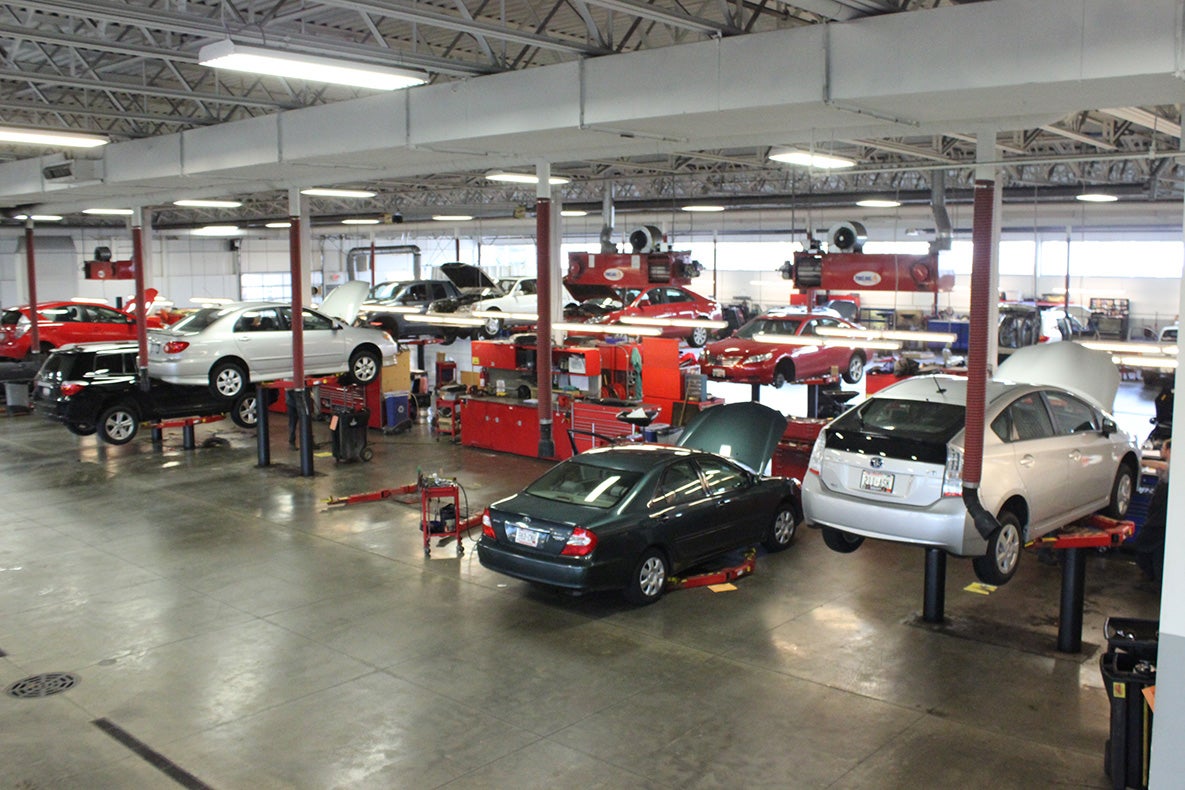
The standard of quality you expect. It is never easy when you’re involved in an accident, and the last thing you want to worry about is if the body shop you choose to repair your vehicle will do a quality job. How can you ensure not only the quality of collision repair, but be assure the equipment, parts and technicians working on your vehicle are qualified professionals?  Simple. Certification. As a Toyota Certified Collision Center, Ball Body Shop – a division of Smart Motors, takes the risk out of collision repair through the rigorous Toyota certification process and on-going continuing education, equipment specifications, parts requirements, and continuous customer experience monitoring. Ball Body Shop | 2225 Eagle Drive, Middleton, WI | 608.831.5944 “It’s our commitment to excellence in collision repair professionalism, repair quality and customer satisfaction”, says Ball Body Shop manager James Anderberg. “Our staff is uniquely qualified to get the job done right, while at the same time, putting our customers at ease during what can be a stressful time for them.” Benefits of choosing a Toyota Certified Collision Center for your vehicle’s repairs are abundant and include: - Toyota Certified Technicians. - Toyota Certified Management team provides the knowledge and expertise to answer your question quickly, accurately and will help navigate the insurance process (if needed) so you and your vehicle are back on the road as quickly as possible. - State-of-the-art tools & equipment used to restore your vehicle to the original manufacturer specifications. - Genuine Toyota Parts. - Third-party customer service monitoring is used to ensure your experience is exceptional. You have the right to choose the body shop you want to repair your vehicle and choosing a Toyota Certified Collision Center is the easy choice.

Gas Prices on the Rise

Rising Gas Prices. Time to Upgrade Your Vehicle?

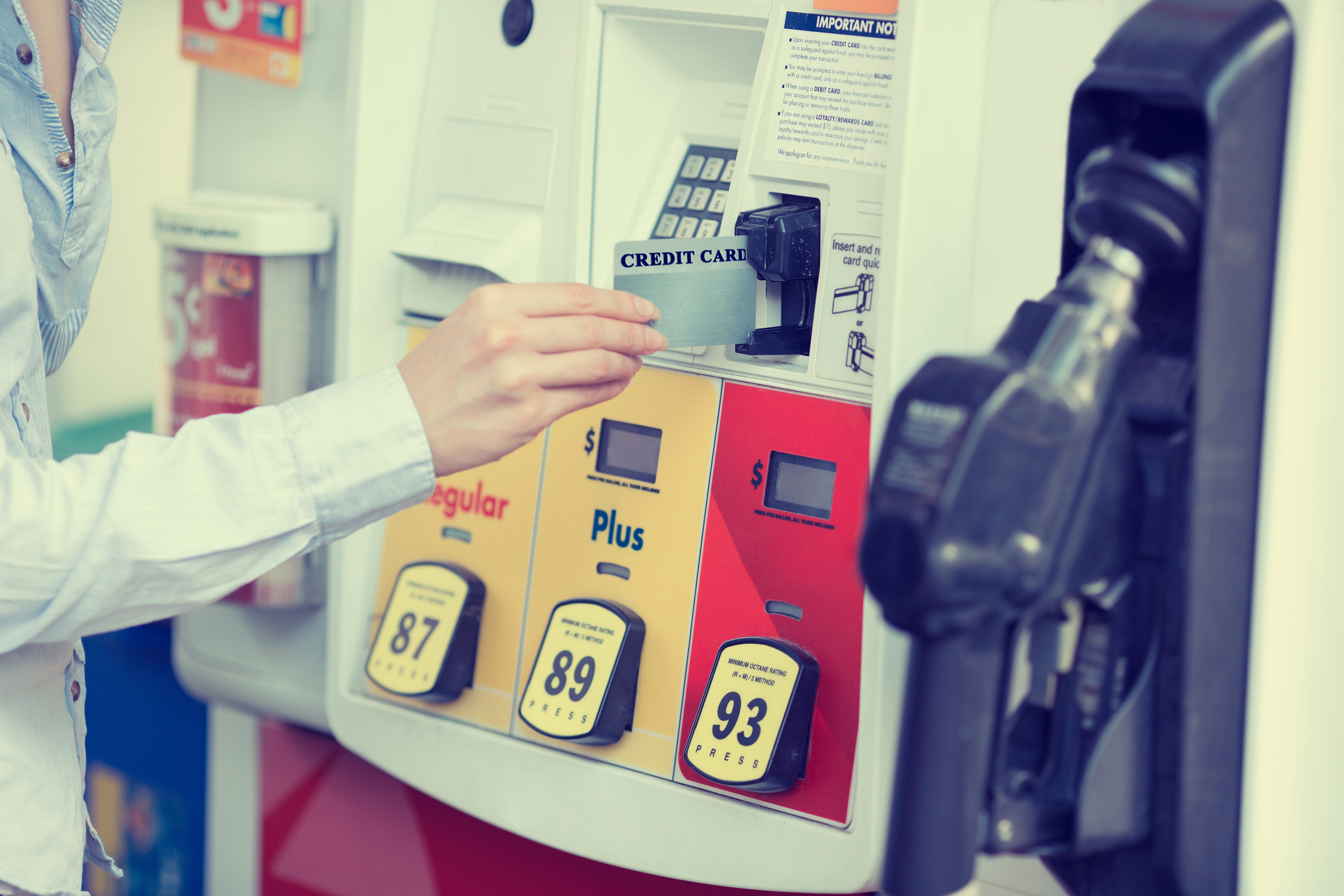
Safety and fuel efficiency make owning a new vehicle very attractive. If you currently own a gas-powered vehicle you know fuel prices change as often as Wisconsin’s weather. You also know there seems to be a consistent “coincidence” between heavy travel times like Memorial Day, Labor Day and Thanksgiving and a surge of prices at the pump. The Covid-19 pandemic has fueled a steady rise in gas prices due to logjams created in the global supply chain. The pandemic has also made travel by car the healthiest way to get from point A to point B. And as more Americans become vaccinated, many more people will undoubtedly embark on road trips to destinations far away from the home they’ve holed up in for months. What vacationers and commuters alike should know, though, is that purchasing a new vehicle may be worth the money. "With the steady increase in gas prices we are seeing an uptick in sedans and hybrid sales," says Justin Jackson, sales director at Smart Toyota. "We are typically a big hybrid dealer, but we are seeing a bigger increase and we can only believe has prices have a lot to do with it." New cars, trucks and SUVs are more fuel-efficient than vehicles manufactured just a few years ago, and they come with many more safety features. “A new vehicle can save a driver an average of $1,502 ($2249-$747) per year in gas,” says Jackson. “That means, on average, $125 saved per month that could be used toward the vehicle’s monthly payment.” BREAKING IT DOWN: (Based on the average American who drives 15,000 miles per year) New Hybrid Vehicle at 54 mpg                  vs.                           Older Vehicle at 18 mpg 15,000 divided by 54 = 277                                                                 15,000 divided by 18 = 833 Uses 277 gallons of gas per year                                                         Uses 833 gallons of gas per year 277 x $2.70 = $747 per yr. in gas                                                       833 x $2.70 = $2249 per yr. in gas “The savings are even greater if you move into a hybrid electric vehicle,” says Jackson. Jackson says the dealership has seen first-hand how hybrids have grown in popularity. More recently, with the release of the Prius Prime, which has an estimated 54MPG, and 133MPGe, rebirth of the Toyota Venza hybrid and now including the Toyota Sienna (mini-van) hybrid, local consumers are showing a renewed interest in hybrid vehicles. Today, Smart Motors is one of the top Toyota hybrid dealers in the United States. “Saving money on fuel makes a new car worth it, but there are a number of other good reasons like safety features that make upgrading beneficial,” says Jackson. He lists Toyota’s offering of Pre-Collision Systems with Pedestrian Detection Dynamic Radar Cruise Control Lane Departure Alert, and Road Sign Assist as a few examples of technologically advanced features that go beyond anti-lock brakes and air bags. Easy Tips to Save Money on Gas: Download apps like GetUpside that partner with gas stations nationwide to offer discounts to users. Use a gas station credit card and/or enlist in their rewards program. Don’t use premium if your car calls for regular. Wholesale clubs offer discounted fuel to members. Refuel before your gauge gets too low. Downsize the fuel bill by driving a smaller or more fuel-efficient vehicle. Driving faster than the posted speed limit burns more fuel and increases trips to the pump. Take some time to empty the trunk, clean out the back seat and remove the luggage rack. The lighter the vehicle, the better the fuel efficiency and the more money you save on gas. "Jack-rabbit" starts and hard braking increase fuel usage by as much as 40 percent. Check your tires regularly; under-inflated tires increase resistance and fuel consumption by up to six percent. Consolidate trips and errands to cut down on driving time can eliminate hundreds of miles – and dozens of gallons of gas.

Contact Us

Fill out this form below and we'll contact you shortly
*Required Fields