Blog / Car Maintenance

Driving in Heavy Rain is No Splashing Matter

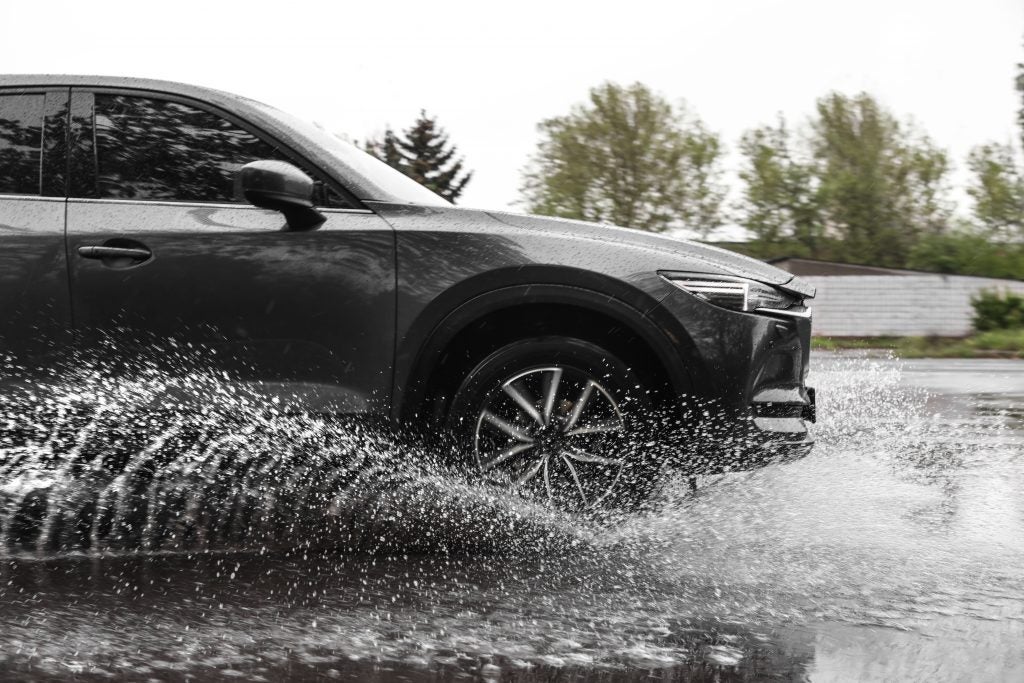
Imagine, you’re driving along on an overcast summer day. You’re minding your speed, traffic is light, and there doesn’t seem to anything particular to be concerned about. You’re driving along on an overcast summer day. You’re minding your speed, traffic is light, and there doesn’t seem to anything particular to be concerned about. Suddenly it begins to rain. You know the drill: turn on your windshield wipers, make sure your headlights are on, and tap the brakes to cancel the cruise control. These are all common sense actions all drivers should take even while driving in a light rain. The rain starts coming down harder and harder but visibility is still pretty good so you’re not concerned. But then you experience a very odd sensation. Your vehicle seems to be floating above the road. It seems to have a mind of its own. You might as well make suggestions to your car as to how to stay on the road as you’re now powerless over the steering. You know what’s happening. It’s happened before. You’re hydroplaning. And hydroplaning can be just as dangerous as sliding across a frozen highway.

What is Hydroplaning?

Hydroplaning usually occurs within the first 10 minutes of a rainstorm when oils, dirt and debris begin to wash off the surface of the road. It also happens when there is too much water for the tread of your tires to scatter, so your vehicle is literally lifted above the surface of the water.

What to Do if You're Hydroplaning While Driving

Take your foot off the accelerator, don’t brake, and wait for your tires to slow down to a point where they can handle dispersing the water. Continue on at this slower speed until the storm lets up.

How Can I Prevent Hydroplaning When It's Raining?

“Having quality tires with the proper amount of tread is one of the best things a driver can do to prevent hydroplaning,” says Jake Schaefer service director at Smart Motors. “A lot of people wait until winter is approaching to change their balding tires, but we recommend you change your tires at 4/32” remaining tread, regardless of the time of year, so that you don’t experience a lag in wet weather performance.” 100 Year Flood
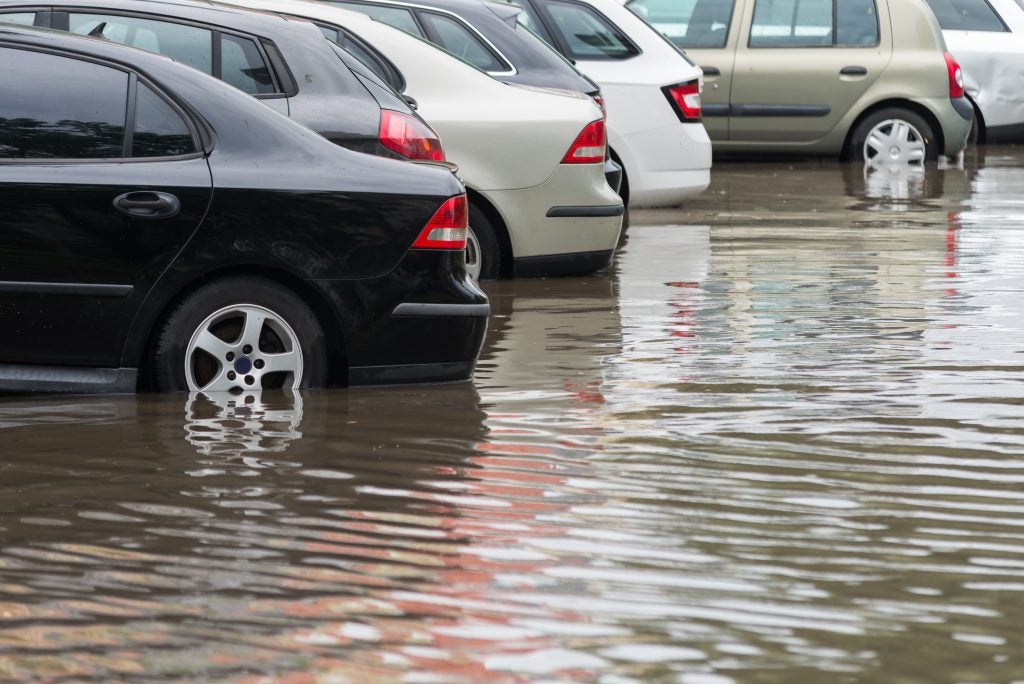
The 100-Year Flood in Madison, WI

Hydroplaning is just one of the dangers of driving in heavy rains, as many Wisconsinites might have learned in 2018 when we experienced the “100-year flood” in which up to 20 inches of water was collected in certain areas. At Smart Motors in Madison, well over 100 flood damaged vehicles were towed in after the waters subsided to a navigable degree. Owners were hoping against hope their cars and trucks could be repaired.

Can Driving in the Rain Damage Your Car?

“Time and time again, we had to break the news to people that their car or truck was totaled,” says Jake Schaefer. “In fact, the totaled vehicles far outnumbered the ones that could be repaired.” Schaefer says the majority of the totaled vehicles experienced water getting into the engine, which can cause irreversible damage. Schaefer says that unfortunately, there is no water-depth rule. He says that one need not drive through a 12” puddle to cause damage. Even in shallow water, all it takes is just the right splash to find its way into the engine and ruin the vehicle.

Driving in Heavy Rain: Safety Tips

Preventing water damage can be tricky and certainly not foolproof, but Schaefer says there are some measures drivers should take if there is a threat of flooding. “First of all,” he says, “If you don’t absolutely have to drive in flood-like conditions, don’t!” Also, remember the National Weather Service trademark phrase; “Turn Around. Don’t Drown.” If there are flood warnings, the first consideration for a driver is to move the vehicle to a higher ground if that is an option. If this is not an option, Schafer says to leave the vehicle where it is. If you are on the road during flood conditions, exercise extreme caution and a use a lot of common sense. Schaefer says if you can’t see the road because there’s so much standing water, don’t risk driving through it. “You can’t determine water depth without going in,” he says. “My suggestion is to pull over safely and observe other vehicles that may brave their way through the flooding.” Schaefer also warns that during a flood, there may no longer be any roadway under the water and you could drive into an impromptu river. If the water is over 12" in depth, it could sweep a car away. Schafer offers these additional helpful hints for driving in heavy rain conditions: • If at all possible, wait to embark on your trip until the weather improves. • Check your tires periodically and replace them if the tread is worn to a dangerously low level. • Slow down. • Do not use cruise control. • Turn on your headlights. In some cases you might even want to turn on your hazards. • Definitely use your windshield wipers. Replace them if they are damaged or worn. • Maintain a safe distance from other vehicles. • Avoid heavy or sudden braking. • As mentioned above, be wary of standing water. • If you’re hydroplaning, step off the gas and try not to brake. • Ventilate your vehicle to prevent windows from fogging up.

Posted in:

Related Posts

woman enjoying a summer road trip

Summer Road Trip & Vehicle Maintenance Tips

Dreaming of the great outdoors and pondering the perfect destination for your next summer road trip with friends or family is exciting. Is it a lake house, the beach, or perhaps visiting as many Wisconsin state parks as possible in a two-week period? Regardless of your ultimate destination, the heat of summer can be just as hard on a vehicle as the freezing temperatures of winter. And just like its seasonal counterpart, summer is not a time when one would like to experience any maintenance drama. The mere thought of any component of a vehicle overheating, a belt or hose drying out, cracking, or breaking, or the A/C suddenly going out is a bummer. One does not want to be baking in a sweltering hot car during the long days of summer. Vehicle Summer-ization for Summer Road Trips “Wisconsinites know how important it is to winterize their vehicles, but often they neglect to ‘summer-ize’ them, too,” says Luis Roman, Assistant Service Manager at Smart Motors in Madison. “While some things can easily be done by the owner, there are also some where a service professional comes in handy.” Luis Roman, Assistant Service Manager Roman says the maintenance in general has become increasingly important over the past few years. With both new and previously owned vehicles being in short supply – obtaining a new car, truck or SUV can take six months or more - staying on top of seasonal upkeep is paramount. “In the long run,” says Roman, “it’s going to be much more economical to make minor repairs than it is to try to jump into a different new or used vehicle.” Roman says $500 for something like a radiator flush or a brake repair is not going to hurt your wallet quite like the $500 per month you could face if you’re forced to purchase a new vehicle in the current economy. He says there are many steps one can take to be proactive with “summarizing” to avoid drastic situations. Proactive Car And SUV Maintenance First, he suggests, is to have a qualified service technician thoroughly inspect your vehicle’s HVAC (heating, ventilating and air conditioning) system at least once a year. Often you can request this service in conjunction with another service such as an oil change. Typical A/C Service includes; • A visual inspection of hoses, lines, seals and other components for leaks as well as inspecting the drive belt for cracks or damage. • A check of pressures to test operation, refrigerant charge and outlet temperatures. • If the system is found to be low on refrigerant, a leak test is performed to find the source of the leak. Keep in mind if your vehicle is leaking refrigerant, it is damaging the ozone layer. • A/C service should also include a check of the compressor’s drive belt and tension. These measures should be enough to get you comfortably through the heat, but Roman says his team is trained to offer additional measures that will help your car stave off the heat of the street. Additional procedures either the vehicle owner or service technician can perform are: Road Trip Checklist • Check the level and strength of the coolant. A low coolant level may allow your engine to overheat. Make sure the coolant reservoir is filled to the proper level. Wait until the engine has cooled to check the level inside the radiator. If low, add a 50/50 mixture of the specified coolant and water. • Make sure the cooling fan works. The electric cooling fan should come on when the air conditioner is turned on to MAX. No fan may mean a defective fan motor, relay or electrical problem. • Battery evaluation. Batteries are lasting longer than they used to but the key with a battery evaluation is in the testing which gives both the available cold cranking amps vs. what the battery is rated for and the second is a battery health check which indicates potential battery life and can often predict a battery failure before there are symptoms. Hot weather is actually harder on batteries than cold weather because it increases the rate of evaporation of the liquid electrolyte inside the battery. • Change the oil. Replacing old dirty oil with fresh oil can increase the lubrication protection for your engine. • Check or replace the windshield wipers. Natural rubber wiper blades have a limited life of a year or less. Sun exposure, extreme heat and cold all age the rubber and cause it to become hard and brittle. • Check tires. Check the tire for wear, uneven wear, age cracks or damage. Check the inflation pressure in all the tires, including the spare. Underinflated tires make the tires run hot and increases the risk of a blowout. Being Prepared is the Key Lastly, Roman says there are a few steps vehicle owners can do themselves to stay cool: Exterior Paint Protective (wax) helps prevent fading • Wax the body. Your vehicle’s body should be waxed or sprayed with some type of protectant to help shield the paint from the ultraviolet rays from the sun, and summer smog in urban areas. • Keep your cool. Buy a sun shade for the windshield to reflect light so the interior doesn't get so hot if the vehicle is parked in direct sunlight. Also, close the sunroof sunshade, and leave the windows cracked so hot air can escape. This can lighten the cooling load on the air conditioner when the vehicle is first started, and prevent you from getting a hot seat or burning yourself on hot interior surfaces. • Protect yourself. Wear a hat and sun screen, and carry a bottle of water in the car in case you get stuck for a long period of time in traffic or have a break-down on a hot day. Roman says these precautions should be enough to keep you and your vehicle cool. Of course bad things happen at the absolute worst time, but taking some simple preventative measures should drastically lower the risk of them happening to you. About Smart Motors Toyota In Madison, WI Smart Motors was founded in 1908 by O.D. Smart and is one of the nation’s oldest automotive dealerships, is the mid-west’s largest hybrid dealer and one of Wisconsin’s largest volume Toyota dealers. Located at 5901 Odana Road, Smart Motors is Wisconsin’s only two-time President’s Cabinet Award recipient from Toyota Motor Sales for superior customer service & sales volume. For more information, check out their history. visit https://www.smarttoyota.com/our-history.html

When Roads Go To Pot... Holes

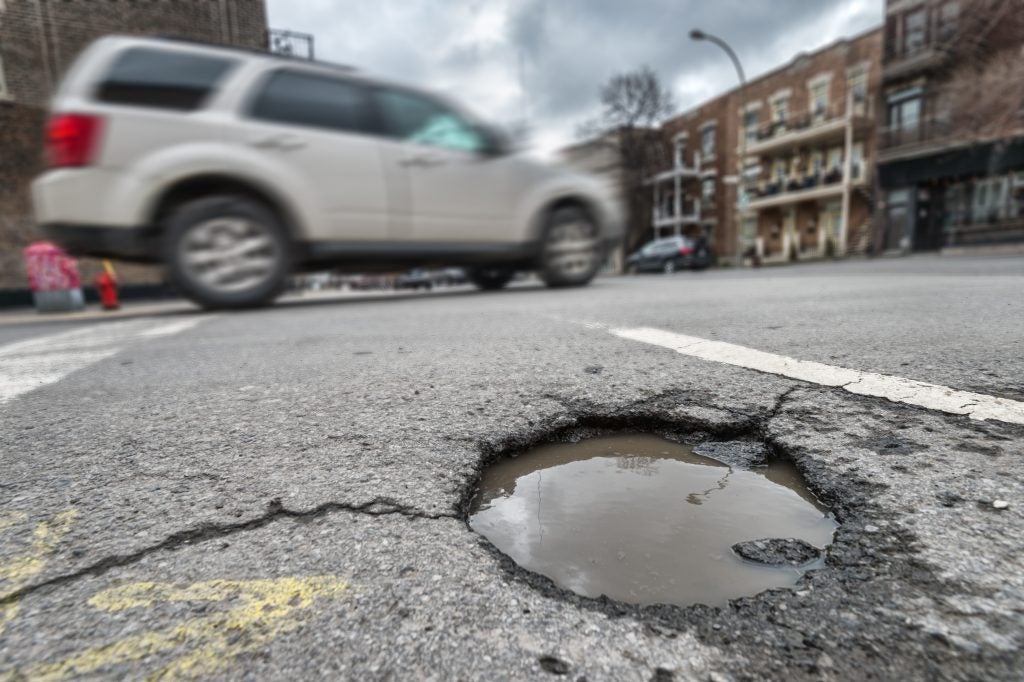
Pothole Season in Wisconsin Potholes Can Cause a Lot of Damage Spring time in Wisconsin is like when a bear comes out of hibernation. Daytime temperatures are pushing 50 degrees, Wisconsinites are sporting shorts and short sleeve shirts, but when the winter frost leaves our roadways we are left with those pesky "potholes" which can cause damage to our vehicle's alignment. The constant freezing and unfreezing of water on roadways can wreak havoc, forming supersize potholes destroying the underside of your vehicle. The automotive specialists at Smart Motors service department have the following advice to help prevent and notice pothole-related damage. Visible damage is the easiest to detect, but may not be the only indication your vehicle needs some attention. One obvious sign of tire damage is when a tire ‘bulges’; which occurs when the steel/fiber ply belt in the sidewall of a tire breaks due to a heavy impact. Luis Roman, Assistant Service Manager at Smart Motors Service Center, says even if your tires don’t have bulges does not necessarily mean you are free from the damage of potholes. Luis Roman, Assistant Service Manager Warning Signs of Pothole Damage If your vehicle pulls to one side, or your steering wheel is visibly off center, Roman suggests being on the safe side and schedule an appointment with a reputable automotive service center and getting an assessment. This way, the vehicle's alignment and other signs of damage can be analyzed and fixed before they become a major problem. Repair costs can vary greatly depending on the extent of damaged parts; from a $200 strut to several thousand dollars for an entire suspension system and cradle. Roman also offers these tips to help protect vehicles against the jarring experience of a pothole encounter: Tips to Protect your Vehicle from Pesky Potholes • Maintain full air pressure in all tires to provide as much cushion as possible between the pothole and the rim of the tire. Consult the vehicle owner’s manual for the correct pressure. • Watch for potholes by leaving plenty of space between your vehicle and the one in front of you. • If a pothole cannot be avoided, slow down BEFORE hitting the pothole. Hitting a pothole at high speed increases the chance of damage to tires, wheels, shocks, struts or springs. • When driving over a pothole-filled road, hold the steering wheel firmly to avoid losing control. • Do NOT brake when directly over a pothole. Applying the brakes causes the car’s weight to shift to the front of the wheel and can increase damage from the impact. • Beware of water that may be concealing a deep pothole. About Smart Motors Smart Motors was founded in 1908 by O.D. Smart and is one of the nation’s oldest automotive dealerships, is the mid-west’s largest hybrid dealer, is one of Wisconsin’s largest volume Toyota dealers and is Wisconsin's largest Toyota Certified Used dealer. Located at 5901 Odana Road, Smart Motors is Wisconsin’s only two-time President’s Cabinet Award recipient from Toyota Motor Sales for superior customer service & sales volume. For more information visit their history page.

Winter salt covered vehicle in Wisconsin

Winter. Should You Wash Your Vehicle or Not?

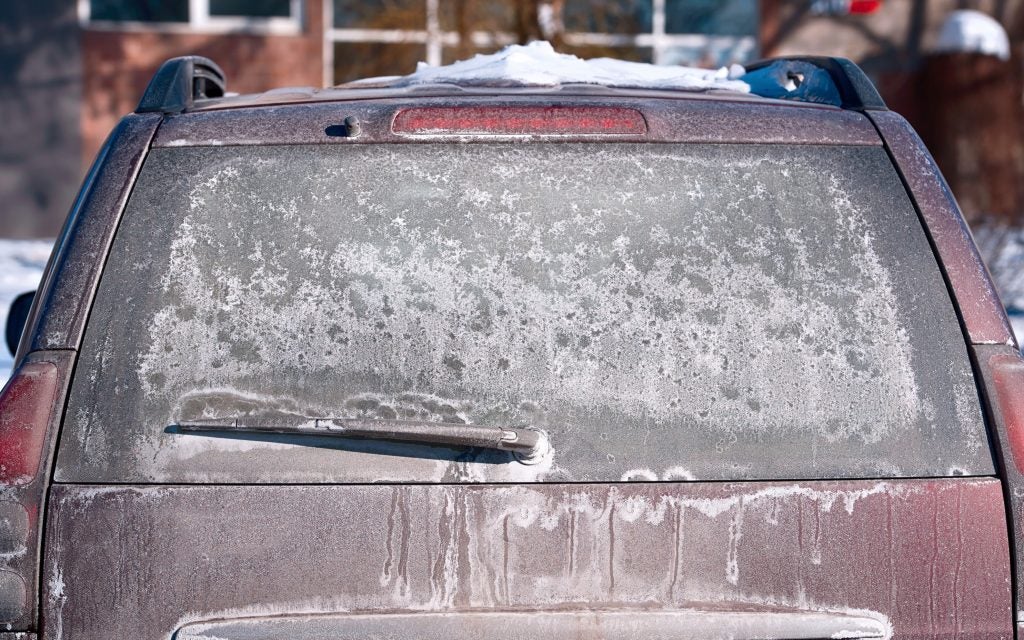
Is it worth it, really? Should I wash my vehicle, or just wait for spring? Under normal circumstances most vehicle owners love their car. It’s like an old friend, cheerfully waiting to take you where you need to go. But as the winter months in Wisconsin drag on, you find your feelings changing toward your tried and true buddy. To wash or not to wash; now that's the question. What was once a summer time escape from reality, suddenly becomes a chore. Come February and March, if you have not washed your vehicle, it becomes salt-covered, sludgy, dishwater-hued beast that is almost indecipherable from most of the other vehicles on the road. And the worst part is you don’t know what you should do about it. Part of you thinks you should probably wash the poor thing, but at the same time, it's Wisconsin - it's going to snow again, plus the streets are just going to be salted again. And on those rare breaks when the temperatures climb into the 40s, everyone and their uncle are in line to run their vehicles through the car wash. Do you just let it go? Jason Vasen, Master Diagnostic Technician at Smart Motors, says you should absolutely not let it go. Jason Vasen - Master Diagnostic Tech - Smart Motors - Madison, WI “Salt may keep the streets safe to drive on, but it’s a terrible thing to have on your car for extended periods of time,” Vasen says. “Salt leads to oxidation and rust. It can take years off the life expectancy of your vehicle.” Car Wash; Outside temperature matters Vasen says Wisconsinites ideally should wash their cars, trucks and SUVs about once every two weeks even in the dead of winter though only wash when outdoor temperatures are in the upper 30’s or in the 40’s to ensure doors and windows won’t freeze. If you're fortunate to have a heated or well insulated garage, you could push this to temps a little lower, but it's always a good idea to dry off your vehicle as well. Pop the hood, open the doors, including hatch/truck and dry them off. Not all car washes are created equal “You want to make sure it’s a quality wash, too,” he says. “Just washing the pretty parts may save your paint job for a few years, but it’s incredibly important to make sure salt and slush are removed from the wheel wells and undercarriage.” A touchless car wash with an underbody high pressure spray option/cycle is what you'll want to look for to help remove the salt, sand and grim from those hard to reach spots. When salt builds up on the wheel wells and undercarriage, it attacks the vehicle’s braking system and suspension, both of which could lead to dangerous situations on the roads. They are both expensive to repair, too, so making sure they are salt-free could save you money down the line. Clean wheel wells and undercarriage “Drivers can also get ahead of the game through routine maintenance,” Vasen says. “Quality mechanics will check for any issues and lubricate or use corrosion inhibitors on parts as needed for the winter months.” And don't forget wiper blades. They are an inexpensive way to ensure clear vision. Did you know? Where one parks during the winter can also play a role in how much damage is or isn’t done to a vehicle because of slushy and salty conditions. Ironically, vehicles parked outside for the duration typically experience less body damage than those that are garage kept. This is because the freezing temperatures do not allow the slush to melt, so it slows down the overall corrosiveness of the salt. “Bottom line; regardless of whether you store your vehicle inside or outside, it really is worth the time, effort and money to make every attempt to keep it clean,” Vasen says. Jason Vasen is a Master Diagnostic Technician at Smart Motors - Madison, WI, and was founded in 1908 by O.D. Smart and is one of the nation’s oldest automotive dealerships, is the mid-west’s largest hybrid dealer and one of Wisconsin’s largest volume Toyota dealers. Located at 5901 Odana Road, Smart Motors is Wisconsin’s only two-time President’s Cabinet Award recipient from Toyota Motor Sales for superior customer service & sales volume. See their history page for more details.