

Blog / Driving Safety

Blog

All Driving Safety Toyota Vehicles Exploring Madison Around Town Madison Toyota Dealer Car Maintenance Hybrid Vehicles Community Madison Toyota Service Toyota Car Care Tips Smart Toyota Service Smart Toyota News Toyota Safety Toyota Corolla Toyota Highlander Toyota Prius Charity Support Toyota Camry Toyota Sienna Madison Used Cars Toyota RAV4 Smart Motors Certified Used Vehicles Smart Toyota New Inventory Green Energy Smart Motors Used Cars Smart Motors Used Vehicles Toyota Supra Toyota Tundra Toyota Yaris Auto Body Repair Auto Body Shop Ball Body Shop Local Festivals Smart Buys Cars Smart Toyota Auto Parts Toyota Tacoma Employment Toyota 4Runner Toyota Avalon Toyota bZ4X Toyota C-HR Toyota Corolla Cross Toyota Land Cruiser Toyota Sequoia Toyota TRD Vehicle Acquisition Vehicle Buying
Jumpstarting your vehicle. Smart Motors Madison Wi.

Safely Jumpstarting Your Vehicle.

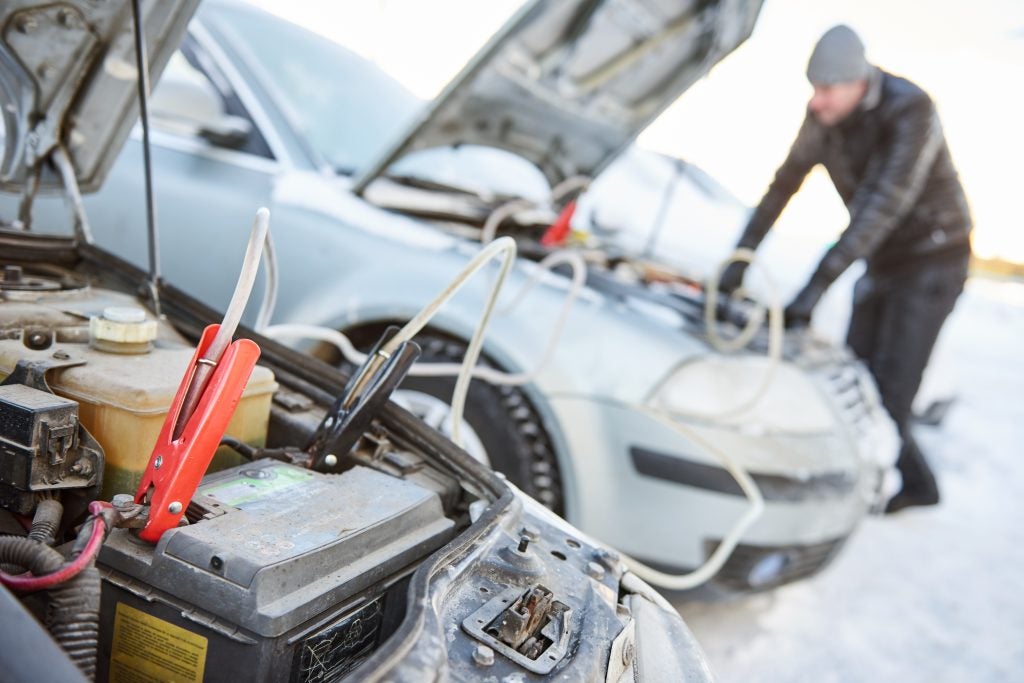
Tips & Safe Start Guide Cold winter weather in Wisconsin has vehicle owners scrambling to jumpstart their vehicles. Icy roads, plows shooting up clouds of snow and blinding light bouncing off packed snow cause all sorts of problems for Wisconsin's drivers, but one of winter's worst effects come before people even hit the road—winter causes discharged car batteries and vehicle jumpstarting presents a fair share of issues. Winter Checklist should include a battery test. Discharged (dead) batteries won't jumpstart Car batteries often become discharged in the winter because the cold affects the vehicle in two ways; A cold battery has less cranking power than a battery at normal temperature. Cold oil is thick oil, and thick oil is harder to turn over in the engine. While these traits occur independently of each other, they combine and make it harder for vehicles to start, effectively draining a battery down. A discharged battery can oftentimes be recharged and work fine, but immediate action is necessary as a discharged battery could freeze making it unable to be recharged, thus possibly ruining the battery. Charged batteries will not freeze. There are warning signs your battery may be failing. Traditional Vehicle Batteries vs Hybrid Vehicle Batteries Discharged batteries can occur in both traditional cars as well as more modern hybrid vehicles. And while many people might know how to jump start a traditional car, the precautions necessary for either jump starting or receiving a jump from a hybrid are slightly different, yet hybrid owners might not even realize this. “The hybrid is a fundamentally different design and has batteries located in different spots and takes on power differently,” says Smart Motors Master Diagnostic Technician Jason Vasen. “Hybrids with the 12 volt battery inside the passenger compartment like the Prius use an AGM battery which uses absorbed glass mats so there is no "loose" liquid to spray. Some hybrids use conventional 12 volt batteries located outside the passenger compartment which do carry the concern of potential explosion.” Jason Vasen, Master Diagnostic Technician, Smart Motors How can one be safe when jump starting a hybrid? Smart Motors' Jason Vasen put together the following checklists for how to keep vehicles safe and fully powered even through the worst of winter's fury. Jumpstarting a hybrid vehicle Don’t make a practice of using your hybrid to jump start other vehicles as you could greatly damage the discharged vehicle’s electrical system. Apply the parking brake and turn off the headlight switch and interior light. Turn off the hybrid system and remove the key if inserted. Open the hood; fuse block cover, and exclusive jump starting terminal cover. Connect positive clamp (red) jumper cable to the exclusive jump starting terminal. Connect the negative clamp (black) to a solid, stationary, unpainted, metallic point of the vehicle with the discharged battery. If the booster battery is installed in another vehicle, make sure the vehicles are not touching. Turn off all unnecessary lights and accessories. When boosting, use the battery of matching or higher quality. Any other battery may make for a difficult start. Allow the discharged battery to rest with the jumper cables connected for approximately 5 minutes. At this time, run the engine in the vehicle with the booster battery at about 2,000 RPM with the accelerator pedal lightly depressed. Start the hybrid system. Make sure the “READY” light is on. Disconnect the cables in reverse order: the negative cable and then the positive cable. Jumpstarting a traditional vehicle Park the booster vehicle close but not touching the one that needs to be jumped. Begin the process by clamping one of the positive jumper cable ends (red) to the positive battery terminal (labeled with a "+" on the battery) of the discharged vehicle. Connect the other end of the positive cable (red) to the positive battery terminal on the booster vehicle (again, confirm that a "+" is next to the battery terminal). Connect the negative cable end (black) to the negative battery terminal on the booster car (marked with a "-"). Finally, attach the other end of the negative cable to an unpainted metal surface on the engine of the discharged car. Start the discharged vehicle and let the two vehicles idle for a few minutes. Once the discharged vehicle is started and running smoothly, disconnect the jumper cables in the reverse order that they were connected. Drive the revived car to somewhere safe and secure before shutting off the engine. Smart Motors was founded in 1908 by O.D. Smart and is one of the nation’s oldest automotive dealerships. Smart Motors is the mid-west’s largest hybrid dealer, and is located at 5901 Odana Road, Smart Motors is Wisconsin’s only dealership to have ever earned the coveted President’s Cabinet Award from Toyota Motor Sales. This award is only given to the top 12 dealerships nationwide for superior customer service & sales volume. To learn more about Smart Motors, visit their dealership history page.
Smart Toyota Madison WI 
Happy New Car Day Digital Signage

Consumers Adapting to 'New Normal'. Vehicle Customization and Pre-Ordering

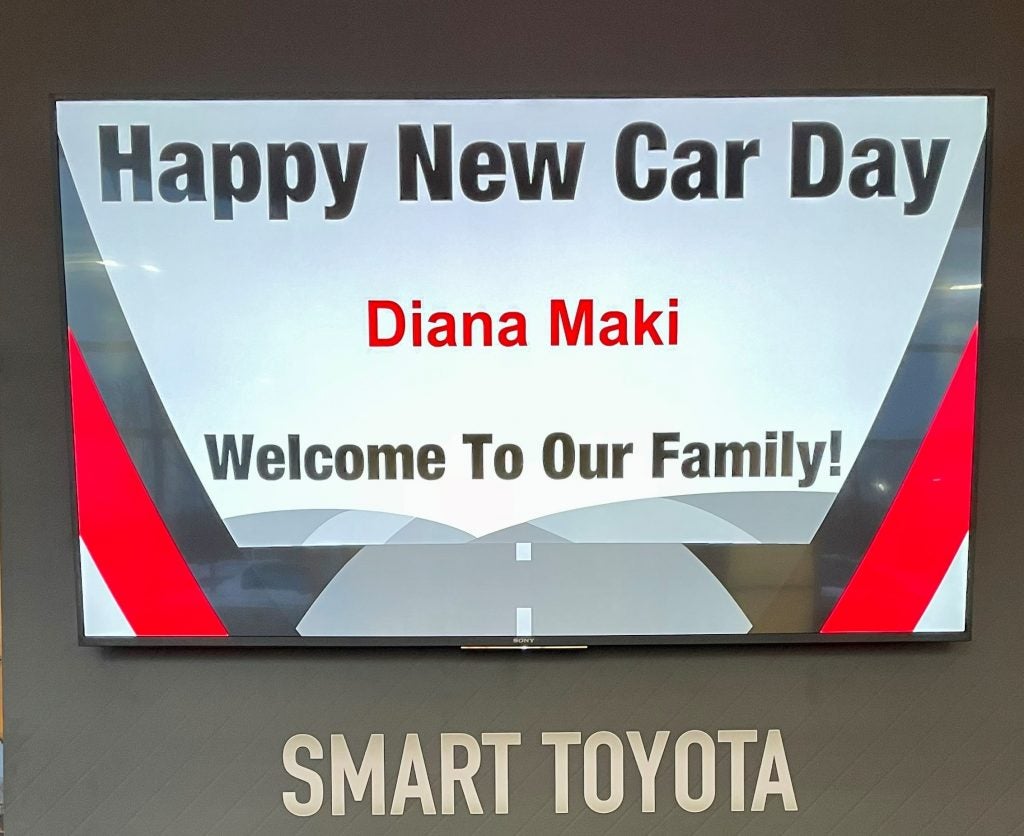
Consumers 'Bang the Gong' to celebrate the arrival of their new Toyota at Smart Toyota Madison WI. Since early 2020, American consumers have had to come to terms with a new kind of normal. Products and services are not as plentiful as we’ve grown accustomed to. Covid-19 and the occasional freak weather patterns have wreaked havoc on a number of industries in many ways, especially in terms of shortages. The restaurant industry is struggling to hire viable and reliable employees. Grocery stores are out of products, specifically goods originating from meat-packing plants. And we all know how paper products like toilet paper were hard to come by for many months. Nearly all industries are having some growing pains adapting to the unavoidable changes taking place, including automobile manufacturers. Madisonians have noticed the dearth of new vehicles for the past several months when they pass by Smart Toyota on Odana Road. What has been a car lot brimming with options for decades has suddenly become a sort of ghost town with only a handful or so of vehicles on the lot. “It’s a very noticeable difference,” says Smart Toyota’s sales director Justin Jackson. “We normally have 400 or more new vehicles on the lot, but since mid-April 2021 we’ve seen a steady decline in the number of New Toyotas we have on the lot. Now we only have maybe 5 to 10 new vehicles physically at the store.” Justin Jackson Sales Director Smart Toyota - Madison, WI Jackson says the pandemic is partially to blame for the shortage because modern vehicles rely on computer chips which became scarce due to manufacturers reallocating them to industries other than automotive. Then, early in 2021 the issue in new vehicle manufacturing were winter storms that crippled Texas -based businesses that are critical in the manufacturing of foam for seats. “If it’s not one thing it’s another,” says Jackson. “We’ve got the chips, but because of the power issues Texas faced in the Spring of 2021, we didn’t have enough foam padding for the seats, and today, as production ramps up, it’s supply chain and logistical issues.” It's Not All Doom and Gloom Those looking to purchase a new vehicle seem to understand the slow-down in global manufacturing, Jackson says. Instead of getting upset they can’t drive off the lot with a vehicle they think is “good enough,” consumers are now more apt to customize and pre-order a vehicle specifically made to their specifications. “It’s kind of cool how people have adapted,” says Jackson. “They might not get that prior sense of immediate gratification of new car ownership, but they get to experience something else: personalization.” Jackson explains the process of pre-ordering has been well-received for a few reasons, one of which is the compassion the consumer feels about simple logistics as they relate to inventory issues in this day and age. Vehicle Customization increases satisfaction “They also really like the fact we can get them exactly what they want; from safety features and amenities, to color preference,” says Jackson. “And when their customized vehicle comes in – usually in about 45 days – they are over the moon when they see the Happy New Car Day sign bearing their name saying the car was made specifically for them. It takes ‘ownership’ to a whole new level.” Custom Pre-Orders on the Rise Jackson says about five percent of Smart’s new vehicle sales used to be custom ordered. Today the percentage has skyrocketed to about 50 percent of the dealership’s monthly new car sales. And, Jackson notes, when a consumer has all the customizable options at his or her disposal, no one opts for a base model in order to save a buck or two. “Often times, though, it’s not options that are the most appealing aspect of pre-ordering,” says Jackson. “Instead, currently, there has been a surge in hybrid vehicle sales. And now in winter, AWD (all-wheel drive) vehicles will see a spike in popularity.” If you know you are going to order a customized vehicle, Jackson says it might be best to do a little homework prior to meeting with a sales consultant. “People take a lot of amenities for granted, but if you’re customizing, you should consider some of the following options,” he says. Custom Pre-Order Checklist Entertainment & Communications: think about your stereo system. Do you still need a CD player? How about satellite radio capability? Hands-free phone control? A video system? Navigation? Comfort & Convenience: this includes upholstery, heated/cooled seats, power door locks, keyless entry, dual climate control, etc. Safety: the simple rule of thumb is the more you can install, the more secure you’ll feel. If you can, opt for dual air bags, anti-lock brakes, traction control, cruise control, and parking assist systems. Appearance: the most enjoyable aspect of customizing is picking out your paint, trim, and wheels. Performance: what do you need to get from point A to point B in your daily life? A larger engine? Sport suspension? 4-wheel drive? Automatic transmission or stick? Jackson says while customers are not complaining right now about having to customize and then wait for their new ride, he anticipates their patience won’t last forever. However, he also doesn’t see new vehicle inventory returning to “normal” in the immediate future, and with customer satisfaction currently at such a high level he’s not overly anxious about it. “At this point, we do not see ‘ground stock’ (vehicles physically on the lot) back to our previously average levels before the end of the year,” he says. “That could change, but we really don’t see it happening until late 2022.”

Wisconsin Winter. Vehicle Preparation. Are you ready?

Winter in Wisconsin Is Your Vehicle Ready for another Wisconsin Winter? As anyone who has ever lived through one can attest, winters in Wisconsin can get cold. Really cold. Not just nippy, but seemingly a few degrees above absolute zero cold. The biting sort of cold that, despite several layers of clothing, cuts through your body like a frozen blade of a knife. It stings! Thankfully, one only needs to be out in it for brief periods at a time; usually as long as it takes to go from a heated building to one’s vehicle and back again. Even though you may not be exposed to the blustery, frigid elements for long, your vehicle may have been sitting out for hours. Ideally, you can stay inside and remote start your transport. But one fantastically freezing day, you try it and nothing seems to happen. You’re going to have to brave the frozen tundra to try to get it started. You trudge over the frozen landscape, reach your vehicle, quickly nestle in, turn the key in the ignition, and – oh no! – all you hear is a hideous series of click-click-clicks, groans, and exhausted whirs. You’re in a bind now. Why oh why didn’t you winterize your ride!? Deadly Winter According to the National Weather Service, “Hundreds of people are injured or killed each year as a direct result of winter weather. Heavy snowfall and blizzards easily trap motorists in their vehicles and make walking to find help a deadly effort. Severely cold temperatures and wind chills during and after a winter storm can lead to hypothermia and kill anyone caught outside for too long.” Jason Vasen, Master Diagnostic Technician at Smart Motors in Madison, says there’s no time like the present to start getting your vehicle in shape for the unpredictable winter season. “If a car moves, many people assume everything is in good operating order,” says Vasen. “While the car might still have the oomph needed to go, preventative maintenance will help prevent future breakdowns … and major expenses.” Vasen recommends having your vehicle serviced to prepare it for the challenges winter can pose. Vehicle Winterization Checklist Winterization Checklist Battery –It’s not an illusion; it really does take more power to start your car in the winter because battery power decreases as the temperature drops. If your battery is already having problems, your risk of breaking down or becoming stranded increases. It is recommended to have a battery with at least the vehicle manufacturers CCA rating, most hybrids will have 12 volt batteries under 400 CCA which are fine for that application Cooling system – Your automotive service technician can tell you what antifreeze should be used and the appropriate coolant-to-water ratio to avoid potential freezing. Belts, hoses, spark plugs, wires and cables – While they can go bad at any time, if they do in the winter, you could be stuck in the cold for an unfortunately long period. Brakes and tires – the cold doesn’t necessarily harm these components, but it doesn’t hurt to make sure they are in the best condition to handle the hazards of winter driving. Winter Survival Kit “These areas might seem small compared to the engine or fuel intake system, but without the small things aiding the large items, your vehicle will not function properly,” he says. Vasen says all motorists should have a cell phone and phone charger handy, and it doesn’t hurt to have quality wiper blades installed and your windshield wiper fluid topped off. Drivers shouldn’t let their gas go much below a half tank in the wintertime, either. Plus he recommends keeping a worst-case-scenario-kit in your vehicle, filled with the following items: Junk in Your Trunk ·         A blanket ·         Several heavy duty garbage bags: Can be a makeshift rain coat; keep your clothing off the wet ground when changing a tire, or to collect wet items. ·         A shovel ·         Kitty Litter - which can help aid in traction ·         Jumper cables or a battery-powered portable booster ·         Flashlight or emergency light ·         First aid kit ·         Food ·         Jack and spare tire: Know how to use them — do a practice run if necessary. Smart Motors was founded in 1908 by O.D. Smart and is one of the nation’s oldest automotive dealerships, is the mid-west’s largest hybrid dealer and one of Wisconsin’s largest volume Toyota dealers. Located at 5901 Odana Road, Smart Motors is Wisconsin’s only two-time President’s Cabinet Award recipient from Toyota Motor Sales for superior customer service & sales volume.  For more information visit their history page.

Deer Are On the Move in Wisconsin. Drivers Beware

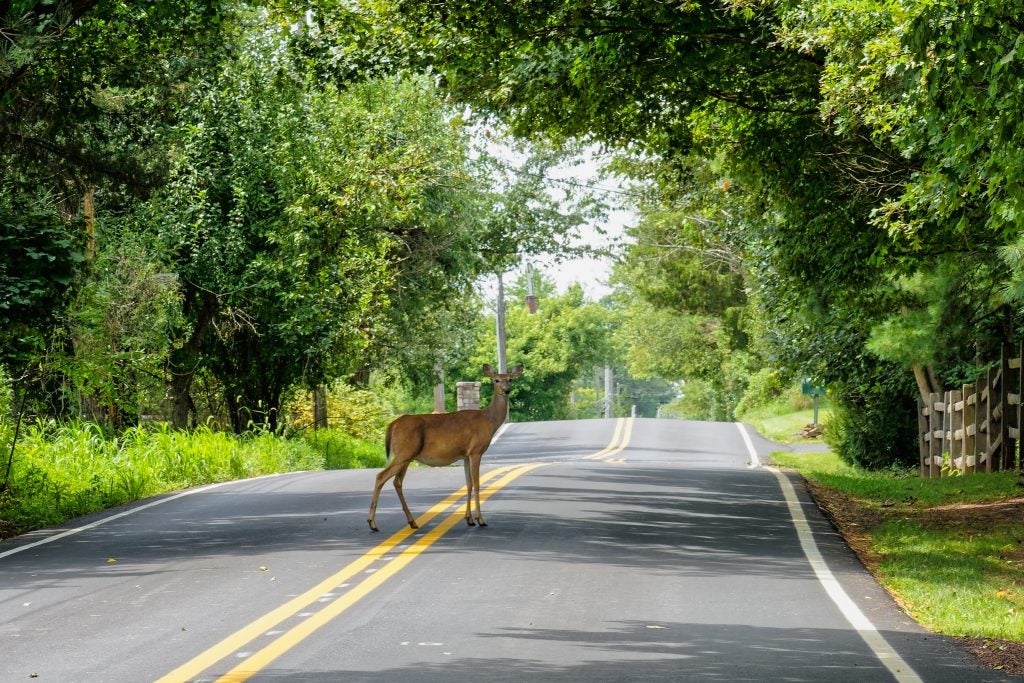
Wisconsin white tail deer - vehicle collisions spike October through December. Fall in Wisconsin is simply gorgeous. As rolling hillsides burst with color, local farmers hustle to bring in the Fall harvest and prepare fields for the inevitable Wisconsin winter. And at the same time, whitetail deer activity increases. Motorists stay alert All of this commotion also makes Wisconsinites daily commute slightly more dangerous. From mid-October through December, deer and other wild animals will be out in droves. And while you may only see one deer standing along the roadside, rest assured, there are more near by ready to dart out at any given moment, striking your vehicle with full force. It’s an unfortunate experience. And it’s one that is getting costlier. Group of white-tailed deer crossing a road. Last year, according to the State of Wisconsin Department of Transportation, there were over 16,000 deer-vehicle collisions reported. That’s nearly three times as many as alcohol-related crashes. Less dense foliage, higher animal activity levels, an earlier setting sun along with the annual Wisconsin deer hunting season collectively result in nearly 150 accidents per day during the seasonal peak with more than 400 personal injuries on an annual basis. Repairs can be Costly Ask anyone who has hit a deer and they all agree there's really no such thing as a “minor” deer-vehicle crash. “When a deer smacks into your car, they collide with significant force,” says James Anderberg, manager at Ball Body Shop, a division of Smart Motors. He says the average hit can cost between $2,500 and $6,000 with some smash-ups resulting in a total loss. And to make matters worse, these costs are going up. Anderberg says the features that are currently on vehicles to help keep drivers and passengers safe are one of the reasons repair costs are on the rise. “Deer commonly take out the hood, grille, air conditioning condenser, the radiator, fan assembly, and front inner structure components,” he says. “But more and more, we’ve had to replace sensors, cameras, and other high tech safety features now more commonly housed in the front of your vehicle.” Anderberg says some auto manufacturers are said to be refining collision-warning systems to help alert drivers to deer. “For now, though, there’s not a front crash prevention system that is calibrated to recognize deer or other animals,” he says. State Farm Insurance says the national reported cost per claim from hitting a deer rose 6 percent to more than $4,100 from about $3,900 in 2014 and then rose to $4,341 in 2018. And while a driver’s comprehensive insurance coverage should absorb these costs, many drivers elect not to carry comprehensive and therefor have to pay out of pocket. Anderberg acknowledges the situation is unfortunate, but assures Ball Body Shop has the expertise required to fix any deer crash incident. But to make sure the accidents never occur in the first place, Anderberg recommends avoiding high density areas where deer congregate after dark. Rural and suburban roads with zig-zagging stretches, long straightaways, uphill corners, sharp curves, dense culverts and low lighting can all overlap to create dangerous choke-points where accidents may occur. Tips for Motorists Anderberg also offers the following tips on how motorists can help avoid a deer-car collision this fall: • Always use caution when driving - especially at dusk and into the evening hours. When light levels are low animals are more active. • Complacency equals negligence. Stay alert, focused and pay attention – be aware of the landscape and your environment. • Deer generally travel in small groups. If one crosses the road, odds are there are others nearby that might attempt crossing. Watch for and recognize deer crossing signs. • Sometimes it makes sense to hit the deer. This might sound callous, but if the choice comes down to hitting a deer or swerving over the center line, hitting the deer will cause less damage and reduces mortality rates. • Be a speed limit driver, higher speeds reduce reaction times - going the speed limit increases travel safety. • Keep your lights, brakes and tires well maintained for optimal performance. Buckle-up, don't tailgate and remember to slow it down. • And, prepare for the unexpected. About Ball Body Shop Ball Body Shop, the official body shop of Smart Motors, opened its doors in 1950 and provides the Madison area with customized, cost-effective auto-body services to all domestic and imported vehicle makes. Ball Body Shop has been voted “Best Body Shop” by the readers of Madison Magazine over the years. Ball Body Shop is located at 2225 Eagle Drive, Middleton WI. Phone #: 608.831.5944.

Winter is Coming ... Will Your Tires Last the Season?

You know it's going to happen. You’re in your car waiting for the traffic light to turn green and there's a dusting of light snow on the pavement. After a few moments, light turns green, you step on the gas pedal and your tires spin on the wet pavement. It takes a second or two for them to catch traction and propel you forward. You cringe. Is this a sign you need new tires? If you’re like most people, you hate the thought of vehicle maintenance and upkeep. You just want to get in the driver’s seat and go and not worry about pesky things like oil changes, new brakes, wiper blades, a dead car battery and purchasing new tires! What do you know about vehicle maintenance? It’s a completely foreign concept to you and you’re always afraid of making the wrong – and possibly very expensive – decision. The good news is that a little know-how can go a long way when it comes to replacing a set of tires. The simplest thing you can do is ask a qualified and trusted auto shop service technician what he or she would recommend. “Excuse the pun, but we would never steer you in the wrong direction,” says Robert Jordan, Smart Motors’ Operations Manager. “If you give us a few basics about your driving habits, we can help you make the right choice for your needs.” Most tires need to be replaced about every four to six years, although high mileage and prolonged exposure to the elements will shorten your tire’s life expectancy. Regardless of when you need to replace them, you basically have a choice between three options: all-season, summer (a.k.a. high performance), and winter tires. “For most drivers in the Madison area, a good set of all-season tires are the way to go,” says Jordan. All-Season Tire: This type of tire come in S- and T-speed ratings. They grip the road well under most weather conditions and are long-lasting. They are the most common tires found on mainstream cars and SUVs. Truck owners have a similar option with either all-season or all-terrain truck tires. Summer or High-Performance Tire: Driving enthusiasts who prefer sports cars and performance sedans are likely to forego all-season radials and instead opt for summer or high-performance tires. Summer tires are excellent for dry conditions. They handle beautifully as long as there aren’t any adverse weather conditions to contend with. But they certainly aren’t for everybody. Jordan recommends summer tire owners should also invest in a set of winter tires if they want to drive their vehicle year-round. He says that what winter tires lack in performance handling they more than make up for in safety in rain, sleet and snow. Winter Tire: People who live in rural areas and have a long commute to work on roads often covered in snow and ice should probably swap out summer or even all-season tires with winter tires before the first snowflake falls to be on the safe side. “You shouldn’t really think of it as an added expense", says Jordan. It’s an investment. Switching between two sets of treads means both sets of tires will last longer, which could save you money in the long run. Tire Size: No, not all round tires (is there any other kind?) are created equal. Aside from the different types of tread, it’s important to know the size tire you need so your vehicle’s handling and safety isn’t compromised by ill-fitting radials. So how do you know what size tire is on your vehicle? You can locate your vehicle’s recommended tire size by consulting your owner’s manual, or it’s also printed on the decal located inside the driver’s side door jamb. “Most people don’t know what they’re looking at when they see the cryptic set of letters and numbers indicating their tire size,” says Jordan “It will look something like ‘P215/60R16.’ No worries, though. As long as you have that information, you can order tires anywhere. Any tire store can help you interpret this number for you and help you find the perfect tire for you. Lastly, when selecting your next set of tires, it's helpful to know how many miles you want your tire to last. You may have an option between 45,000-mile tires and 80,000-mile tires. The 80,000 set is almost certainly going to run you a higher price, but if you can afford it you can afford to not have to worry about replacing your tires again for quite some time. Also, if you know how many miles you drive, on average each year, this can help you select not only the right tire for your vehicle, but for your driving habits too.

Driving in Heavy Rain is No Splashing Matter

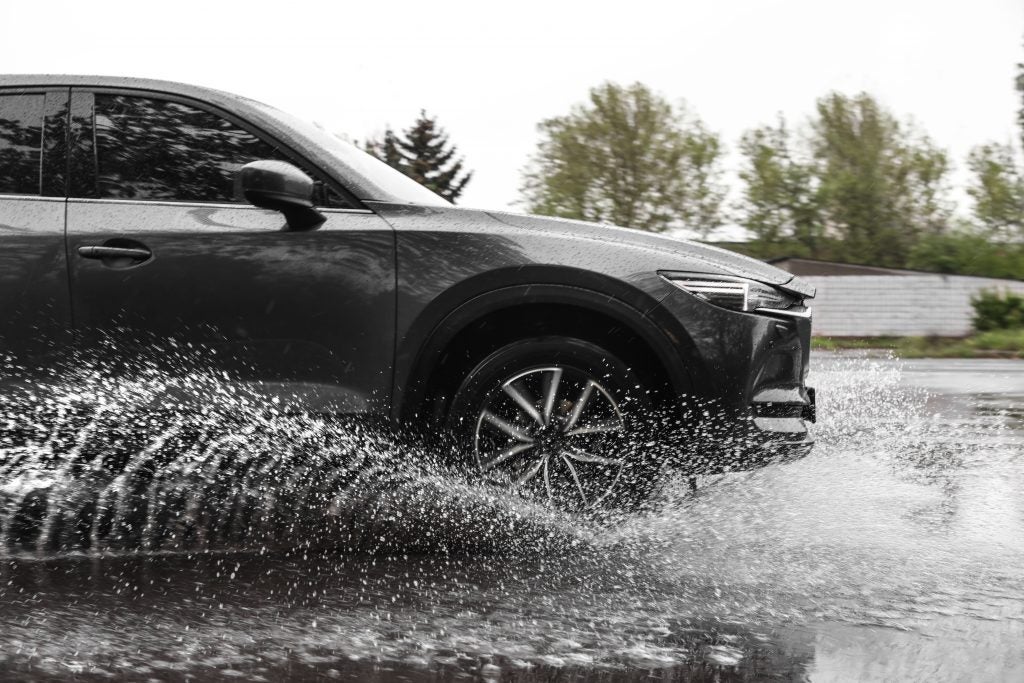
Imagine, you’re driving along on an overcast summer day. You’re minding your speed, traffic is light, and there doesn’t seem to anything particular to be concerned about. You’re driving along on an overcast summer day. You’re minding your speed, traffic is light, and there doesn’t seem to anything particular to be concerned about. Suddenly it begins to rain. You know the drill: turn on your windshield wipers, make sure your headlights are on, and tap the brakes to cancel the cruise control. These are all common sense actions all drivers should take even while driving in a light rain. The rain starts coming down harder and harder but visibility is still pretty good so you’re not concerned. But then you experience a very odd sensation. Your vehicle seems to be floating above the road. It seems to have a mind of its own. You might as well make suggestions to your car as to how to stay on the road as you’re now powerless over the steering. You know what’s happening. It’s happened before. You’re hydroplaning. And hydroplaning can be just as dangerous as sliding across a frozen highway. What is Hydroplaning? Hydroplaning usually occurs within the first 10 minutes of a rainstorm when oils, dirt and debris begin to wash off the surface of the road. It also happens when there is too much water for the tread of your tires to scatter, so your vehicle is literally lifted above the surface of the water. What to Do if You're Hydroplaning While Driving Take your foot off the accelerator, don’t brake, and wait for your tires to slow down to a point where they can handle dispersing the water. Continue on at this slower speed until the storm lets up. How Can I Prevent Hydroplaning When It's Raining? “Having quality tires with the proper amount of tread is one of the best things a driver can do to prevent hydroplaning,” says Jake Schaefer service director at Smart Motors. “A lot of people wait until winter is approaching to change their balding tires, but we recommend you change your tires at 4/32” remaining tread, regardless of the time of year, so that you don’t experience a lag in wet weather performance.” 100 Year Flood The 100-Year Flood in Madison, WI Hydroplaning is just one of the dangers of driving in heavy rains, as many Wisconsinites might have learned in 2018 when we experienced the “100-year flood” in which up to 20 inches of water was collected in certain areas. At Smart Motors in Madison, well over 100 flood damaged vehicles were towed in after the waters subsided to a navigable degree. Owners were hoping against hope their cars and trucks could be repaired. Can Driving in the Rain Damage Your Car? “Time and time again, we had to break the news to people that their car or truck was totaled,” says Jake Schaefer. “In fact, the totaled vehicles far outnumbered the ones that could be repaired.” Schaefer says the majority of the totaled vehicles experienced water getting into the engine, which can cause irreversible damage. Schaefer says that unfortunately, there is no water-depth rule. He says that one need not drive through a 12” puddle to cause damage. Even in shallow water, all it takes is just the right splash to find its way into the engine and ruin the vehicle. Driving in Heavy Rain: Safety Tips Preventing water damage can be tricky and certainly not foolproof, but Schaefer says there are some measures drivers should take if there is a threat of flooding. “First of all,” he says, “If you don’t absolutely have to drive in flood-like conditions, don’t!” Also, remember the National Weather Service trademark phrase; “Turn Around. Don’t Drown.” If there are flood warnings, the first consideration for a driver is to move the vehicle to a higher ground if that is an option. If this is not an option, Schafer says to leave the vehicle where it is. If you are on the road during flood conditions, exercise extreme caution and a use a lot of common sense. Schaefer says if you can’t see the road because there’s so much standing water, don’t risk driving through it. “You can’t determine water depth without going in,” he says. “My suggestion is to pull over safely and observe other vehicles that may brave their way through the flooding.” Schaefer also warns that during a flood, there may no longer be any roadway under the water and you could drive into an impromptu river. If the water is over 12" in depth, it could sweep a car away. Schafer offers these additional helpful hints for driving in heavy rain conditions: • If at all possible, wait to embark on your trip until the weather improves. • Check your tires periodically and replace them if the tread is worn to a dangerously low level. • Slow down. • Do not use cruise control. • Turn on your headlights. In some cases you might even want to turn on your hazards. • Definitely use your windshield wipers. Replace them if they are damaged or worn. • Maintain a safe distance from other vehicles. • Avoid heavy or sudden braking. • As mentioned above, be wary of standing water. • If you’re hydroplaning, step off the gas and try not to brake. • Ventilate your vehicle to prevent windows from fogging up.

Car Cleaning Tips | Bugs!

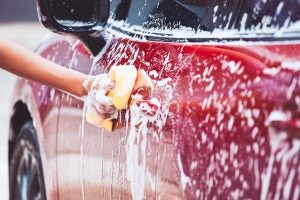
Keeping that Showroom Shine! I remember as a kid my parents always had me washing the family vehicles weekly (or at least it seemed like it) during the summer. Sure, you could get a great tan, which was always a plus, but getting those pesky bugs removed from the hood, backside of the mirrors, around the headlights and grill was never easy. So, whether you send our kids out to wash your vehicle this summer, or you plan to do it yourself, here are are few tips to help make this a little easier for you; Use a high-pressure washer or a hose with a good nozzle that can blast off those remains. Soaking is important - for those larger bugs. Sponge with meshing and microfiber cloths - you'll need to put a little elbow grease into it, but in the end using a combination of sponge with meshing to remove the bugs and a microfiber to shine will make you the envy of the neighborhood. Wax on. Wax off. Not only works for the karate kid, but will protect your vehicle's exterior paint, while at the same time, save you time removing those bugs during the next washing.

Does Warming Up Your Vehicle Do More Harm Than Good

Does Warming Up Your Vehicle Do More Harm Than Good?

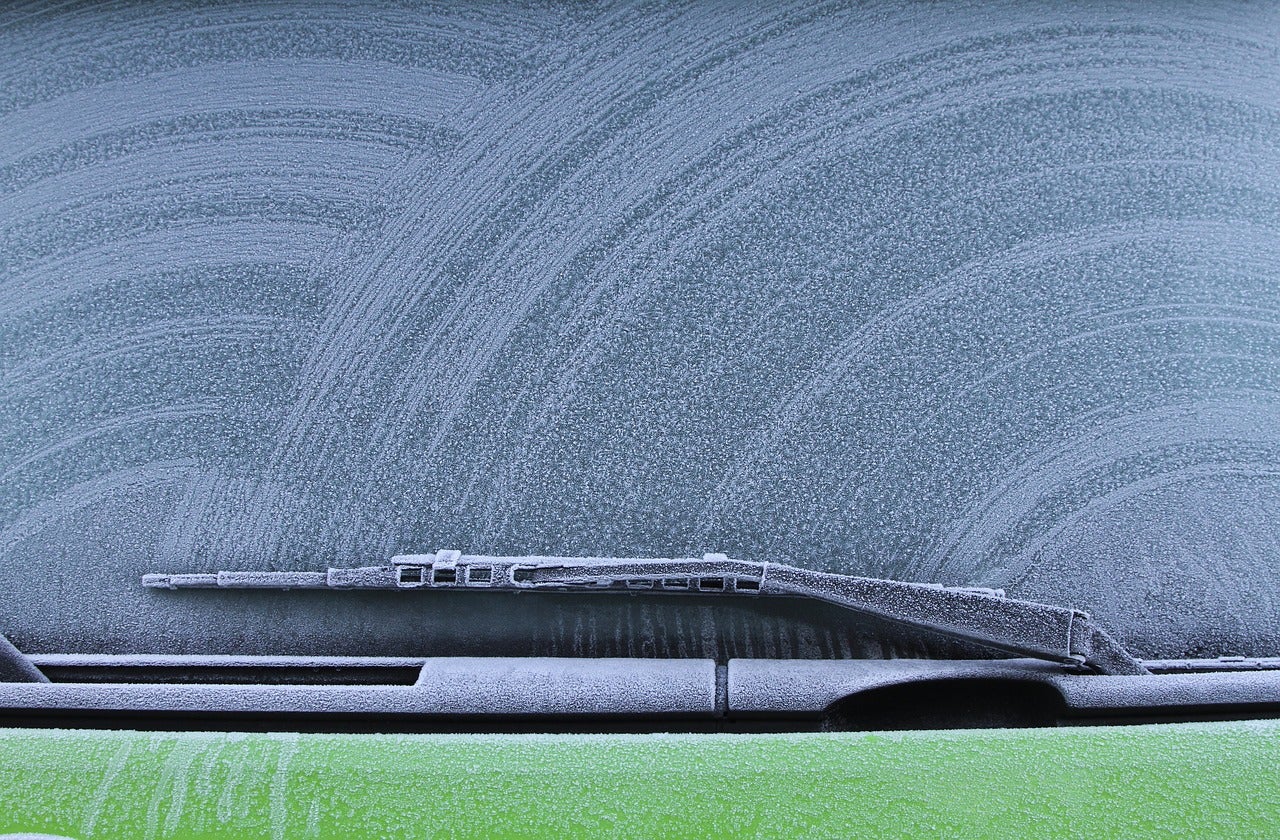
Should you warm up your car? Does warming up your car actually help? During the winter most people think it is a good idea to warm their vehicles up before they head out for the day. With remote start vehicles becoming more popular than ever, the trend of warming up your vehicle has as well, because it just takes the push of a button. While warming up your vehicle may be convenient so you don't have to deal with driving in a cold car, this can affect the overall health of your vehicle. Here are a couple of ways how this affects your vehicle and the environment. more Engine Life Warming up your vehicle can actually shorten the life of your engine, by letting your vehicle idle in the cold you are actually stripping away oil from the engine's pistons and cylinders each time you do this. While you may wonder where this myth came from since it's not true, it's because it was once based on facts. Jake Scheafer the Service Director at Smart Motors' says before cars and trucks were equipped with fuel management systems, they relied on carburetors and simpler fuel system management which did need significant time to warm up. He also stated "Vehicles manufactured post-1980 have fuel management systems designed to heat up the engine fairly quickly. Under normal wintertime circumstances, idling your car or truck for about 30 seconds is all it takes to get the engine above 40 degrees; ideal for typical operation.” Environmental Harm While warming your vehicle up may make your drive a little more comfortable, it can add to more damage to the environment. Idling your vehicle releases harmful chemicals, gases, and other toxins into the air. This contributes to regional haze, depletion of the ozone, and global climate change. Idling your vehicle burns way more gas than just starting it and every gallon of gas burned produces more than 20 pounds of greenhouse gases. Avoiding Damage to Your Engine If you are worried about harming your engine and the environment but you still want your vehicle to be warm you should know that most new vehicles warm up fast. “Vehicles manufactured post-1980 have fuel management systems designed to heat up the engine fairly quickly. Under normal wintertime circumstances, idling your car or truck for about 30 seconds is all it takes to get the engine above 40 degrees; ideal for typical operation,” said Jake Scheafer. Schaefer says that unless the outside temperatures are extremely frigid, drivers should start their vehicle, get out and walk around it to remove any obstructing snow or ice, get back in and start driving as usual. Driving the vehicle, he says, is a much quicker way to warm up an engine without causing it damage. "Of course, if it’s very cold out, you should wait until your defrost starts blowing warm air,” he warns. “You don’t want to compromise your safety by peeking through a tiny clear spot you’ve managed to make in your windshield.” Another thing to be careful about is accelerating too fast the first few moments you are driving. This can add unwanted strain to your bearings and flood the combustion chamber with gas, which in turn will take miles off your engine's life. This is why it is a good idea to take the first couple of miles on the slower side and not rev your engine too much. If you are worried that you've already done damage to your engine or you just need maintenance done on your vehicle, come visit our Service Center at Smart Motors Toyota in Madison, WI, and our Toyota trained technicians can help. We proudly serve drivers throughout the greater Madison area, including Sun Prairie, Middleton, and beyond. Image by Pexels from Pixabay

How to Jump-Start Your Car This Winter

How to Jump-Start Your Car This Winter

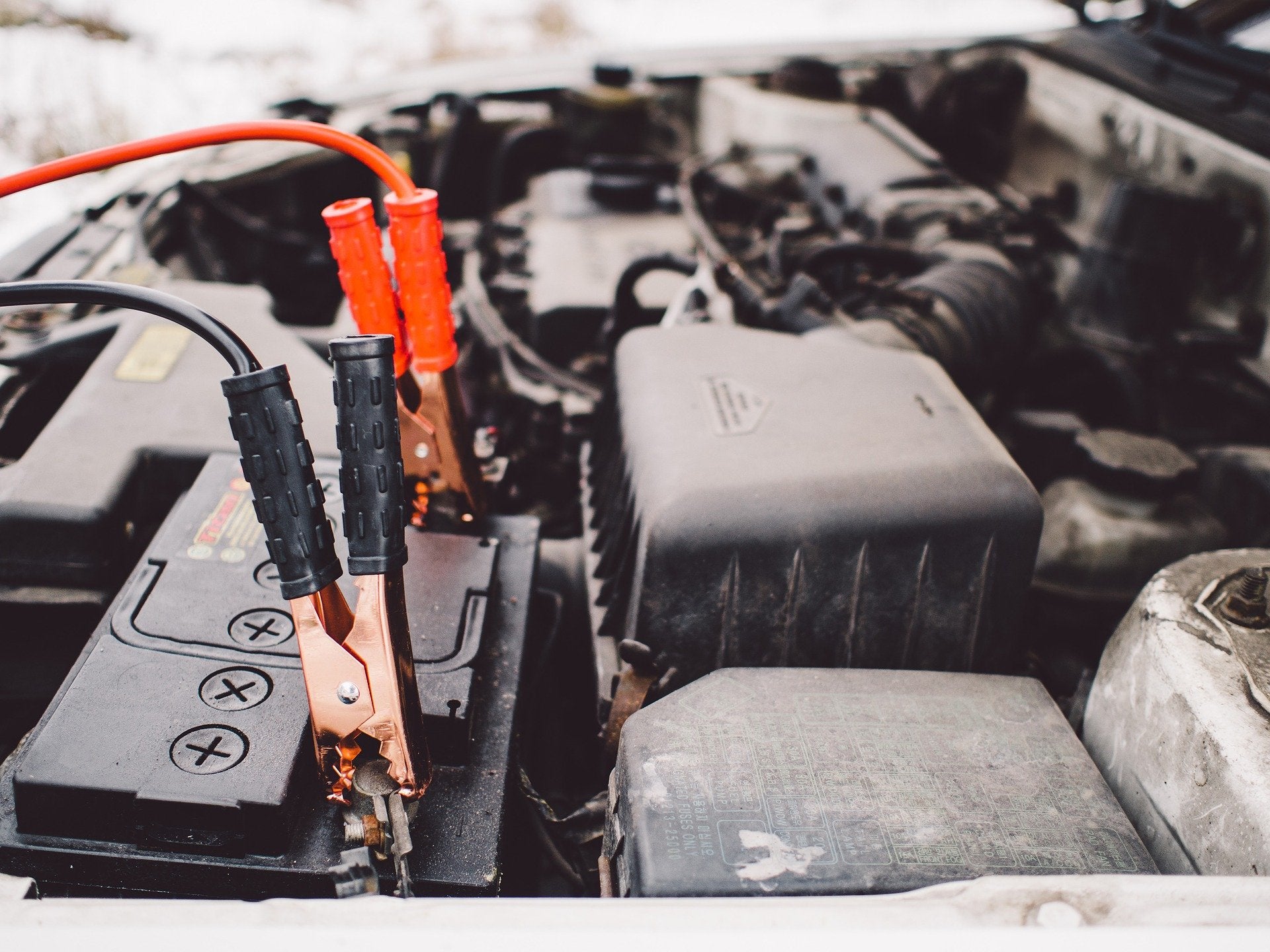
In Madison, WI winter can bring extreme weather conditions, like freezing temperatures, icy roads, and snowstorms. Although this weather can cause road conditions to be bad, something else you need to worry about is your car battery discharging and the issues jump-starting your vehicle can bring. more Why Does My Car Need a Jump Start? Car batteries become discharged more often in the winter because the colder temperatures affect your vehicle in a couple of ways. First, when your car battery is cold it doesn't have as much power as a battery that is at normal temperatures. Second, the oil in your car gets colder, and while oil doesn't freeze, it gets thicker the colder it gets, and thick oil makes it harder to turn over in the engine. Both can make starting your car difficult, which can in turn drain your battery. Most of the time a discharged battery can be recharged and work just fine, but you need to recharge the battery in a timely manner. If not done in time, a discharged battery can freeze and you will be unable to recharge it, which will ruin your battery. This issue can occur in traditional cars as well as hybrid cars, but while most people know how to jump-start a traditional vehicle, most people don't realize hybrid cars, like the Toyota Sienna, Camry hybrid, and Prius, for example, require different precautions to jump or receive a jump. How to Jump-Start a Hybrid Vehicle: Don't use your hybrid vehicle to jump-start other vehicles too much, this can damage your vehicle's electrical system. Apply your parking brake and turn off your headlights and interior lights Turn off the hybrid system and remove your key Open your hood, the fuse block cover, and the exclusive jump-starting terminal cover Connect the positive clamp (red) jumper cable to the exclusive jump-starting terminal Connect the negative clamp (black) to a solid, stationary, unpainted, metallic point of the vehicle with the discharged battery If the booster battery is installed in another vehicle, make sure the vehicles aren't touching and all unnecessary lights are off Whenever you are boosting a vehicle, use a battery of matching or higher quality Allow the discharged battery to rest with the jumper cables connected for 5 minutes. Then, run the engine in the vehicle that is boosting at about 2,000 RPM with the gas pedal lightly depressed Start the hybrid system and make sure the "ready" light is on Disconnect the negative cable and then the positive cable How to Jump-Start a Traditional Vehicle: Park the booster vehicle close, but not touching the vehicle that needs to be jumped Begin by clamping one end of the positive jumper cables (red) to the positive battery terminal (labeled +) of the discharged vehicle Connect the other end of the positive cable (red) to the positive battery terminal (labeled +) on the booster vehicle Connect one end of the negative jumper cable (black) to the negative battery terminal on the booster car (marked -). Then take the other end of the negative jumper cable (black) and attach it to an unpainted metal surface on the engine of the discharged vehicle Start the discharged car and let the two vehicles idle for a few minutes Once the discharged vehicle is started and running smoothly, disconnect the cables in the reverse order that you connected them Drive the recharged car to somewhere safe before shutting off the engine in case the battery happens to die again Visit Our Madison, WI Service Center for More Help Knowing how to jump your vehicle correctly can prevent damage to your vehicle and prevents you from harming yourself. While car batteries becoming discharged is one of the problems winter weather conditions can bring, it can also bring other problems to your car. If you have any other vehicle problems or need to winterize your vehicle, come visit our Service Department at Smart Toyota in Madison, WI and our certified-trained technicians can help with all your service needs. We proudly serve customers throughout the greater Madison area, including Middleton, Sun Prairie, WI, and beyond. Image by StockSnap from Pixabay

deer-accident

Oh Deer! Cost of Deer-Vehicle Collision Repairs Going Up

Winter in Wisconsin It’s mating season, and Wisconsinites know what that means. From now until December, deer and other wild animals will be out in droves, oblivious to their own safety. It’s that time of year when at any given moment, a deer will come bolting out of nowhere and strike your vehicle with full force. It’s an unfortunate experience and one that is getting costlier. more According to the State of Wisconsin Department of Transportation, there were 18,414 deer-vehicle collisions reported in 2019. That’s three times as many as alcohol-related crashes. From mid-October through November, nearly 7,000 deer-vehicle accidents occur in the state. Less dense foliage, higher animal activity levels, and an earlier setting sun collectively result in nearly 150 accidents per day during the seasonal peak. With more than 400 personal injuries on an annual basis. A Costly Collision and Who To Trust With Your Vehicle Ask anyone who has hit a deer and they’ll all agree that there's really no such thing as a “minor” deer-vehicle crash. Deer Collision Repair Costs “When a deer smacks into your car, they collide with significant force,” says James Anderberg, manager at Ball Body Shop, 2225 Eagle Drive in Middleton, a division of Smart Motors. He says the average hit can cost between $2,500 and $6,000 with some smash-ups resulting in a total loss. And to make matters worse, these costs are going up. Anderberg says the features that are currently on vehicles to help keep drivers and passengers safe are one of the reasons repair costs are on the rise. Wondering if hitting a deer might total your car? “Deer commonly take out the hood, grille, air conditioning condenser, the radiator, fan assembly, and front inner structure components,” Anderberg says. “But more and more, we’ve had to replace sensors, cameras, and other high-tech safety features.” Anderberg says some auto manufacturers are said to be refining collision-warning systems to help alert drivers to deer. “For now, though, there’s not a front crash prevention system that is calibrated to recognize deer or other animals,” he says. State Farm Insurance says the national reported cost per claim from hitting a deer rose 6 percent to more than $4,100 from about $3,900 in 2014 and then rose to $4,341 in 2018. And while a driver’s comprehensive insurance coverage should absorb these costs. Many drivers elect not to carry comprehensive and therefore have to pay out of pocket. Anderberg acknowledges that the situation is unfortunate. But, he assures Ball Body Shop has the expertise required to fix any deer crash incident. Tips to Avoid Deer-Vehicle Collisions Always use caution when driving - especially at dusk and into the evening hours. When light levels are low animals are more active. Complacency equals negligence. Stay alert, focused, and pay attention – be aware of the landscape and your environment. Deer generally travel in small groups. If one crosses the road, odds are there are others nearby that might attempt crossing. Watch for and recognize deer crossing signs. Sometimes it makes sense to hit the deer. This might sound callous, but if the choice comes down to hitting a deer or swerving over the centerline, hitting the deer will cause less damage. It also reduces mortality rates. Be a speed limit driver, higher speeds reduce reaction times - going the speed limit increases travel safety. Keep your lights, brakes, and tires well maintained for optimal performance. Buckle up, don't tailgate, and remember to slow it down. Prepare for the unexpected. To prevent an accident in the first place, Anderberg recommends avoiding high-density areas where deer congregate after dark. Rural and suburban roads with zig-zagging stretches, long straightaways, uphill corners, sharp curves, dense culverts, and low lighting can all overlap. These can create dangerous choke-points where accidents may occur. About Ball Body Shop Ball Body Shop, the official body shop of Smart Motors, opened its doors in 1950. They provide the Madison area with customized, cost-effective auto-body services to all domestic and imported vehicle makes. Ball Body Shop has been voted “Best Body Shop” by the readers of Madison Magazine over the years. Ball Body Shop is located at 2225 Eagle Drive, Middleton WI. Phone #: 608.831.5944.

How to Keep From Slip-Sliding While Driving In Winter Weather

When Keith Peterson moved from Orlando, Florida to Madison, Wisconsin, he brought along his recently purchased car. That was in September, and everything was fine. Then came the first snowfall of the year. Being from Florida, Peterson didn’t have a lot of experience driving in wintry conditions, but he never expected to feel so utterly out of control. “I slid through intersections, and I fishtailed whenever I hit even the smallest patch of snow,” he says. “No other driver seemed to be having the difficulties I was. Afterward, my friends nicknamed my car “The Silver Sled of Death.” He says a friend recommended that during the next mild day, he should take his car into Smart Motors and let their service department help him with his issue. He did. And he learned quite a bit. more Jim Ward, service manager at Smart Motors, pointed out that Peterson was driving on high-performance tires, which are great for warm weather conditions like in Florida or even Wisconsin from May through October. “We see cases like this several times at the beginning of every winter,” says Ward. “Tires can look brand new, so people don’t know what is making them slip-sliding the season away.” Peterson told Ward that he was expecting to move 20 miles south of Madison soon but still work in the city. With this in mind, Ward recommended Peterson go with designated snow tires. “When people need to commute to and from work from a rural area, I almost always say they should go with snow tires,” says Ward. “They can swap out with their regular tire in early November or so. And having two sets of tires puts less wear and tear on both pairs, so you can have them for quite a long while.” Ward says Peterson’s other option would have been to basically ditch the high-performance tires and go with all-season radials. “All-season tires are what I recommend to most drivers,” says Ward. “They’re great for people with short commutes and little reason to veer far from the beaten path,” Ward says all-season tires are also very convenient, as they don’t need to be swapped out with any other set of tires seasonally. “Given that, a driver can simply leave all-season tires on a vehicle year-round, which may cause some issues down the road if the driver isn’t conscious of the wear that occurs annually,” says Ward. Ward says most drivers don’t think about their tires until they have to swerve or brake suddenly, or they have a flat—often with serious consequences. According to the National Highway Traffic Safety Administration, about nine percent of vehicle crashes are tire-related and could be prevented with proper tire maintenance. “It is so important to check your tires every month for wear,” says Ward. “If the tire tread is worn down to 5/32 of an inch, your vehicle is just not going to cut it on snowy roads.” Drivers can gauge tread depth at their leisure with a quarter. If you put George Washington’s head into one of your tire’s big grooves and the top of his head is flush with the tread, you have about 4/32 inch of tread left. This means you still have some grip remaining for rainy or snowy conditions, but this is also the time when you should start thinking about new tires. If you can see space above Washington’s head, you need to replace your tires as soon as possible. AAA and the Automobile Club of Southern California’s Automotive Research Center tested new all-season tires and all-season tires worn to 4/32” in wet conditions. Compared to new ones, the worn tires increased stopping distances an average of 87 feet for a passenger car and 86 feet for a light truck – longer than a semi-trailer truck. “That’s a lot of feet to be sliding pretty much out of control,” says Ward. “And the Farmers’ Almanac is predicting an above-average snowfall for greater Dane County this year, so now is definitely the time to make sure you have the proper tires on your vehicle with enough quality tread to see you through the winter.” Smart Motors was founded in 1908 by O.D. Smart and is one of the nation’s oldest automotive dealerships, is the midwest's largest hybrid dealer and Wisconsin’s #1 volume Toyota dealer. Located at 5901 Odana Road, Smart Motors is Wisconsin’s only two-time President’s Cabinet Award recipient from Toyota Motor Sales for superior customer service & sales volume.  For more information visit www.smarttoyota.com Image by fancycrave1 from Pixabay

How the Toyota Safety Sense Suite Helps Drivers

Modern vehicles should approach safety in a modern way. Toyota has developed some of the most innovative driver-assist technologies to keep you and your passengers safer on the road. Here are a few of those technologies that are a part of the Toyota Safety Sense suite: Pre-Collision System with Pedestrian Detection This is arguably one of the most important technologies in the Toyota Safety Sense Suite. It not only helps you stay more aware of oncoming obstacles, but helps you avoid collisions, keeping you, your passengers, and people outside your vehicle safer. The pre-collision system with pedestrian detection uses a camera and sensors to constantly scan the road ahead for obstacles, vehicles, and pedestrians. If the system detects one, it will alert you via audio and visual cues. If the system detects an imminent collision and you haven't applied your brakes, it will apply the brakes for you. If you do apply the brakes, the Brake Assist system kicks in to give you a little more stopping power. more Lane Departure Alert and Lane Assist It's nearly impossible to avoid every possible distraction when you're driving. When you're distracted, your chances of leaving your lane increases, and so does the potential for a dangerous situation. That's where the Lane Departure Alert system comes in. The Lane Departure Alert system engages after you're traveling at 32 miles per hour or higher. Once it's engaged, sensors scan the road around you to find street lines to recognize your position in the lane. If you start to veer out of your lane without a turn signal, this system will use audio and visual warnings until you return to your lane or use your turn signal. Coupled with the Lane Assist feature, this technology is even more helpful. If your Toyota is equipped with Lane Assist, your vehicle will make small steering adjustments to keep you in your current lane if you start to leave the lane without a turn signal. Automatic High Beams To help improve your vision and driving safety at night, many new Toyota models come standard with automatic high beams. This system also makes the road safer for other vehicles around you at night. When activated at speeds of 25 mph and above, the Automatic High Beam system will switch back to low beams if it detects on an oncoming vehicle or a vehicle ahead of you. This helps ensure that you have the best view at night without taking away other drivers' ability to see the road. Road Sign Assist One of the newest features in the Toyota Safety Sense family is the Road Sign Assist technology. This feature uses a smart camera to scan the road for speed limit signs and other important road signs. When it finds one, it displays it on a display in the cabin for your reference. These technologies don't take power away from the driver; rather, they simply make better, more aware drivers out of all of us. If you're curious as to how these technologies work in real-life situations, you can take a tour of a Toyota equipped with them at Smart Toyota in Madison, Wisconsin. Proudly serving drivers throughout Middleton, Sun Prairie, and beyond.

Contact Us

Fill out this form below and we'll contact you shortly
*Required Fields