

Blog / Car Care Tips

Blog

All Car Care Tips Toyota Vehicles Exploring Madison Around Town Madison Toyota Dealer Driving Safety Car Maintenance Hybrid Vehicles Community Madison Toyota Service Toyota Smart Toyota Service Smart Toyota News Toyota Safety Toyota Corolla Toyota Highlander Toyota Prius Charity Support Toyota Camry Toyota Sienna Madison Used Cars Toyota RAV4 Smart Motors Certified Used Vehicles Smart Toyota New Inventory Green Energy Smart Motors Used Cars Smart Motors Used Vehicles Toyota Supra Toyota Tundra Toyota Yaris Auto Body Repair Auto Body Shop Ball Body Shop Local Festivals Smart Buys Cars Smart Toyota Auto Parts Toyota Tacoma Employment Toyota 4Runner Toyota Avalon Toyota bZ4X Toyota C-HR Toyota Corolla Cross Toyota Land Cruiser Toyota Sequoia Toyota TRD Vehicle Acquisition Vehicle Buying

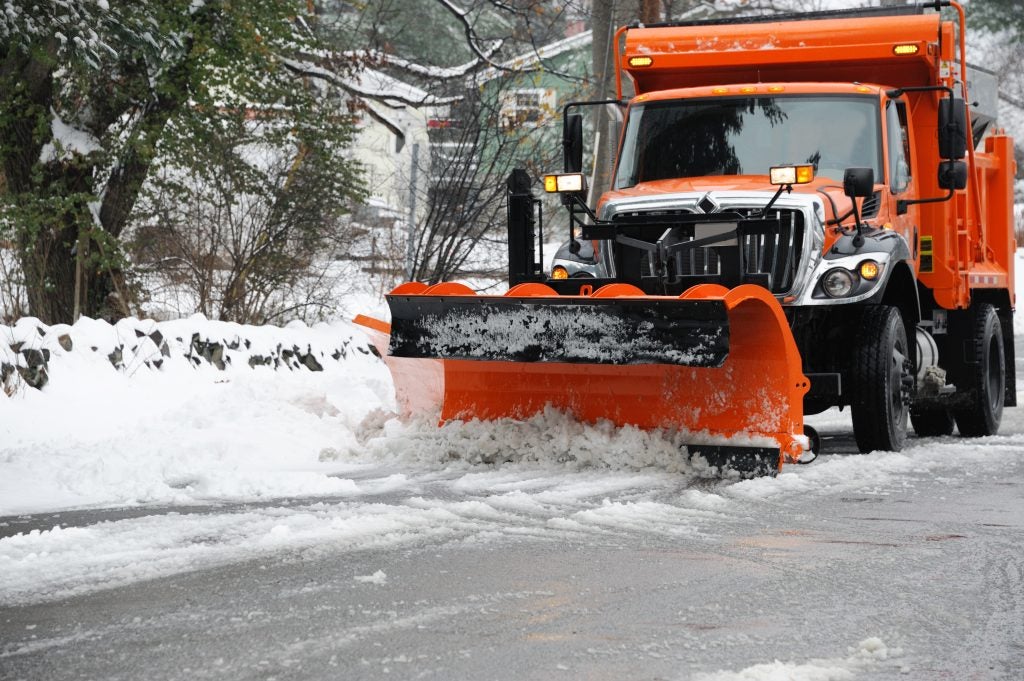
Wisconsin Winter. Vehicle Preparation. Are you ready?

Winter in Wisconsin Is Your Vehicle Ready for another Wisconsin Winter? As anyone who has ever lived through one can attest, winters in Wisconsin can get cold. Really cold. Not just nippy, but seemingly a few degrees above absolute zero cold. The biting sort of cold that, despite several layers of clothing, cuts through your body like a frozen blade of a knife. It stings! Thankfully, one only needs to be out in it for brief periods at a time; usually as long as it takes to go from a heated building to one’s vehicle and back again. Even though you may not be exposed to the blustery, frigid elements for long, your vehicle may have been sitting out for hours. Ideally, you can stay inside and remote start your transport. But one fantastically freezing day, you try it and nothing seems to happen. You’re going to have to brave the frozen tundra to try to get it started. You trudge over the frozen landscape, reach your vehicle, quickly nestle in, turn the key in the ignition, and – oh no! – all you hear is a hideous series of click-click-clicks, groans, and exhausted whirs. You’re in a bind now. Why oh why didn’t you winterize your ride!? Deadly Winter According to the National Weather Service, “Hundreds of people are injured or killed each year as a direct result of winter weather. Heavy snowfall and blizzards easily trap motorists in their vehicles and make walking to find help a deadly effort. Severely cold temperatures and wind chills during and after a winter storm can lead to hypothermia and kill anyone caught outside for too long.” Jason Vasen, Master Diagnostic Technician at Smart Motors in Madison, says there’s no time like the present to start getting your vehicle in shape for the unpredictable winter season. “If a car moves, many people assume everything is in good operating order,” says Vasen. “While the car might still have the oomph needed to go, preventative maintenance will help prevent future breakdowns … and major expenses.” Vasen recommends having your vehicle serviced to prepare it for the challenges winter can pose. Vehicle Winterization Checklist Winterization Checklist Battery –It’s not an illusion; it really does take more power to start your car in the winter because battery power decreases as the temperature drops. If your battery is already having problems, your risk of breaking down or becoming stranded increases. It is recommended to have a battery with at least the vehicle manufacturers CCA rating, most hybrids will have 12 volt batteries under 400 CCA which are fine for that application Cooling system – Your automotive service technician can tell you what antifreeze should be used and the appropriate coolant-to-water ratio to avoid potential freezing. Belts, hoses, spark plugs, wires and cables – While they can go bad at any time, if they do in the winter, you could be stuck in the cold for an unfortunately long period. Brakes and tires – the cold doesn’t necessarily harm these components, but it doesn’t hurt to make sure they are in the best condition to handle the hazards of winter driving. Winter Survival Kit “These areas might seem small compared to the engine or fuel intake system, but without the small things aiding the large items, your vehicle will not function properly,” he says. Vasen says all motorists should have a cell phone and phone charger handy, and it doesn’t hurt to have quality wiper blades installed and your windshield wiper fluid topped off. Drivers shouldn’t let their gas go much below a half tank in the wintertime, either. Plus he recommends keeping a worst-case-scenario-kit in your vehicle, filled with the following items: Junk in Your Trunk ·         A blanket ·         Several heavy duty garbage bags: Can be a makeshift rain coat; keep your clothing off the wet ground when changing a tire, or to collect wet items. ·         A shovel ·         Kitty Litter - which can help aid in traction ·         Jumper cables or a battery-powered portable booster ·         Flashlight or emergency light ·         First aid kit ·         Food ·         Jack and spare tire: Know how to use them — do a practice run if necessary. Smart Motors was founded in 1908 by O.D. Smart and is one of the nation’s oldest automotive dealerships, is the mid-west’s largest hybrid dealer and one of Wisconsin’s largest volume Toyota dealers. Located at 5901 Odana Road, Smart Motors is Wisconsin’s only two-time President’s Cabinet Award recipient from Toyota Motor Sales for superior customer service & sales volume.  For more information visit their history page.
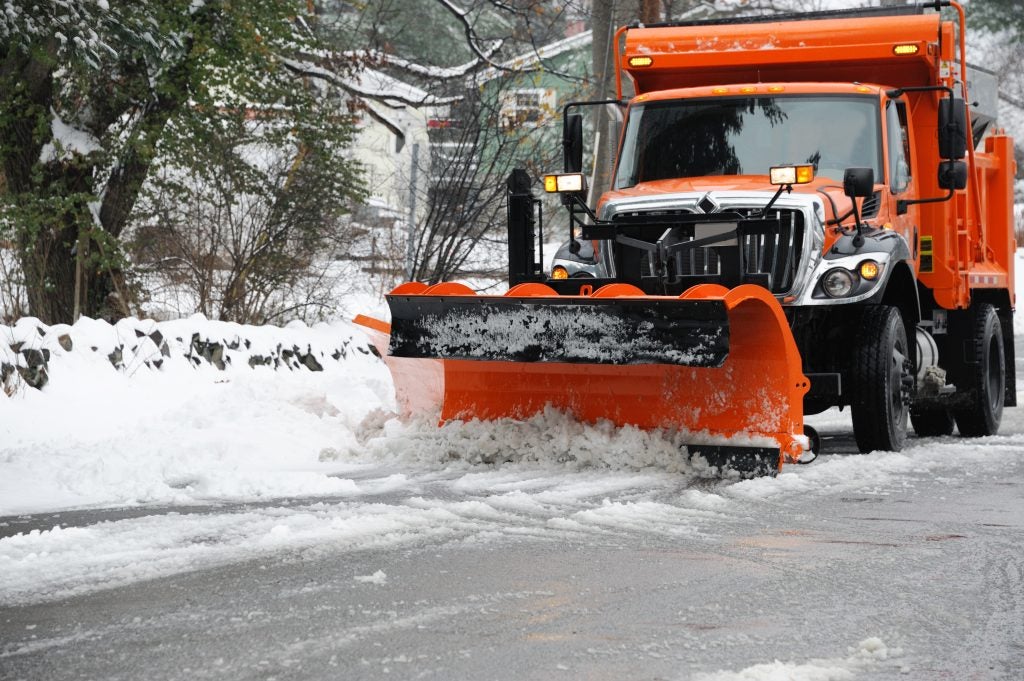
Winter is Coming ... Will Your Tires Last the Season?

You know it's going to happen. You’re in your car waiting for the traffic light to turn green and there's a dusting of light snow on the pavement. After a few moments, light turns green, you step on the gas pedal and your tires spin on the wet pavement. It takes a second or two for them to catch traction and propel you forward. You cringe. Is this a sign you need new tires? If you’re like most people, you hate the thought of vehicle maintenance and upkeep. You just want to get in the driver’s seat and go and not worry about pesky things like oil changes, new brakes, wiper blades, a dead car battery and purchasing new tires! What do you know about vehicle maintenance? It’s a completely foreign concept to you and you’re always afraid of making the wrong – and possibly very expensive – decision. The good news is that a little know-how can go a long way when it comes to replacing a set of tires. The simplest thing you can do is ask a qualified and trusted auto shop service technician what he or she would recommend. “Excuse the pun, but we would never steer you in the wrong direction,” says Robert Jordan, Smart Motors’ Operations Manager. “If you give us a few basics about your driving habits, we can help you make the right choice for your needs.” Most tires need to be replaced about every four to six years, although high mileage and prolonged exposure to the elements will shorten your tire’s life expectancy. Regardless of when you need to replace them, you basically have a choice between three options: all-season, summer (a.k.a. high performance), and winter tires. “For most drivers in the Madison area, a good set of all-season tires are the way to go,” says Jordan. All-Season Tire: This type of tire come in S- and T-speed ratings. They grip the road well under most weather conditions and are long-lasting. They are the most common tires found on mainstream cars and SUVs. Truck owners have a similar option with either all-season or all-terrain truck tires. Summer or High-Performance Tire: Driving enthusiasts who prefer sports cars and performance sedans are likely to forego all-season radials and instead opt for summer or high-performance tires. Summer tires are excellent for dry conditions. They handle beautifully as long as there aren’t any adverse weather conditions to contend with. But they certainly aren’t for everybody. Jordan recommends summer tire owners should also invest in a set of winter tires if they want to drive their vehicle year-round. He says that what winter tires lack in performance handling they more than make up for in safety in rain, sleet and snow. Winter Tire: People who live in rural areas and have a long commute to work on roads often covered in snow and ice should probably swap out summer or even all-season tires with winter tires before the first snowflake falls to be on the safe side. “You shouldn’t really think of it as an added expense", says Jordan. It’s an investment. Switching between two sets of treads means both sets of tires will last longer, which could save you money in the long run. Tire Size: No, not all round tires (is there any other kind?) are created equal. Aside from the different types of tread, it’s important to know the size tire you need so your vehicle’s handling and safety isn’t compromised by ill-fitting radials. So how do you know what size tire is on your vehicle? You can locate your vehicle’s recommended tire size by consulting your owner’s manual, or it’s also printed on the decal located inside the driver’s side door jamb. “Most people don’t know what they’re looking at when they see the cryptic set of letters and numbers indicating their tire size,” says Jordan “It will look something like ‘P215/60R16.’ No worries, though. As long as you have that information, you can order tires anywhere. Any tire store can help you interpret this number for you and help you find the perfect tire for you. Lastly, when selecting your next set of tires, it's helpful to know how many miles you want your tire to last. You may have an option between 45,000-mile tires and 80,000-mile tires. The 80,000 set is almost certainly going to run you a higher price, but if you can afford it you can afford to not have to worry about replacing your tires again for quite some time. Also, if you know how many miles you drive, on average each year, this can help you select not only the right tire for your vehicle, but for your driving habits too.

Car Cleaning Tips | Bugs!

Keeping that Showroom Shine! I remember as a kid my parents always had me washing the family vehicles weekly (or at least it seemed like it) during the summer. Sure, you could get a great tan, which was always a plus, but getting those pesky bugs removed from the hood, backside of the mirrors, around the headlights and grill was never easy. So, whether you send our kids out to wash your vehicle this summer, or you plan to do it yourself, here are are few tips to help make this a little easier for you; Use a high-pressure washer or a hose with a good nozzle that can blast off those remains. Soaking is important - for those larger bugs. Sponge with meshing and microfiber cloths - you'll need to put a little elbow grease into it, but in the end using a combination of sponge with meshing to remove the bugs and a microfiber to shine will make you the envy of the neighborhood. Wax on. Wax off. Not only works for the karate kid, but will protect your vehicle's exterior paint, while at the same time, save you time removing those bugs during the next washing.

Contact Us

Fill out this form below and we'll contact you shortly
*Required Fields