


Engine Oil: Regular vs Synthetic
What type of oil is best for my car?
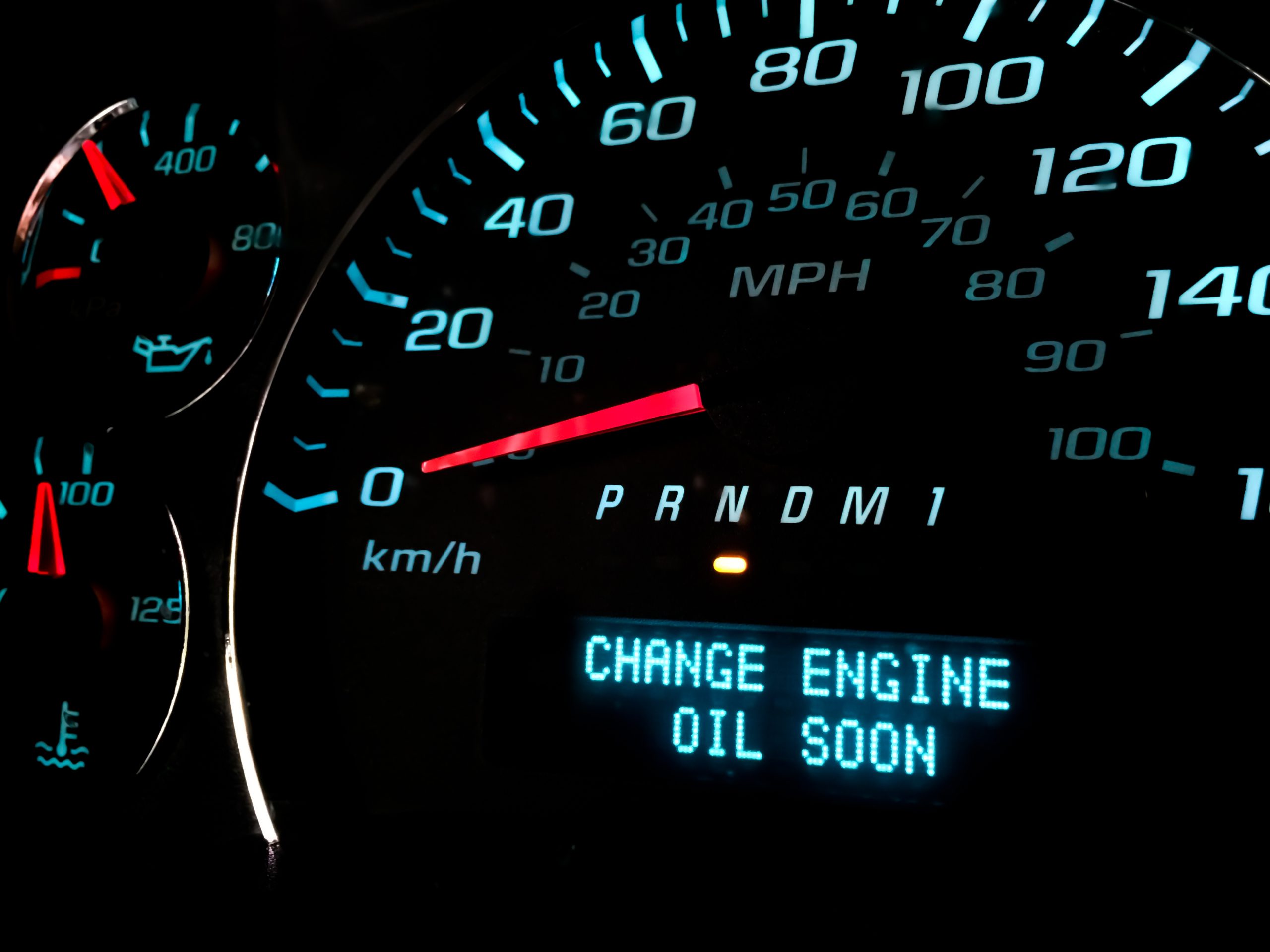
You’re driving along, just minding your own business. Out of the corner of your eye you spot a little sticker on your windshield provided by the service station a while back. You squint at it briefly, trying to keep your eyes on the road. What does it say? You reach your destination, park, and as you exit the car you read the sticker more closely. Dang! Oil change time!
Regular Auto Maintenance is the Key
No biggie, you think. Oil changes don’t take very long and often times you don’t even need an appointment. So a few days later, you drive to your local service station, pull in and tell the service advisor, “time for an oil change”. They respond, “Great. Regular or synthetic?
Dumbfounded, you ask what they would recommend. Wouldn’t it be best to know what oil is best for your particular vehicle and why?
“Having your oil changed regularly is one of the easiest things you can do to preserve the life of your vehicle,” says Luis Roman, Assistant Service Manager at Smart Motors. “Oil is your vehicle’s lifeblood.”

Roman says oil is what keeps the components of the engine working efficiently. It also reduces the accumulation of varnish and carbon from collecting in the engine. In order to protect and keep your engine running smoothly, oil collects heat, varnish and carbons. By doing this, and over time, the oil becomes dirty and the additives get depleted. When this happens, the oil is no longer helpful in maintaining the health of the engine.
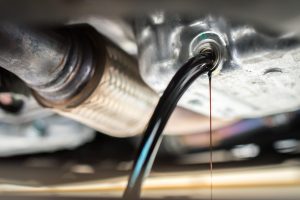
“That’s why you need to change the oil regularly,” says Roman. “And don’t forget to change the oil filter too. Without regular maintenance your engine will seize up and die. And you really don’t want that to happen!”
What Is The Difference Between Regular And Synthetic Car Engine Oil?
But back to the hard question: regular or synthetic oil? There actually is an easy answer for most car owners. Synthetic oil should be used in newer cars, as most engines are manufactured to operate best with it.
“Synthetic oil is better than conventional oil when it comes to longevity,” says Roman. “It’s also able to handle extreme high temperatures without breaking down.”
So, if synthetic oil is the way to go, why offer conventional oil? Why not use synthetic oil in every vehicle?
“Not a good idea. Engines in older vehicles were designed for regular/conventional oil usage,” says Roman. “It’s best to follow the manufacturers recommendation and stick to it. The last thing you want to do is void the manufacturer’s warranty by using an oil not recommended for your specific vehicle.”
Vehicle Owners Manual
Roman says the easiest thing for consumers to do is consult their vehicle’s owner’s manual. It should specifically state what type of oil is best for your engine. You can also consult with the mechanics at your dealer or service station. They will be able to recommend the proper oil, plus they might share the good news that you can drive further than the traditional 3,000 miles before you’re due for another oil change.
About Smart Motors Toyota
Smart Motors was founded in 1908 by O.D. Smart and is one of the nation’s oldest automotive dealerships, is the mid-west’s largest hybrid dealer and one of Wisconsin’s largest volume Toyota dealers. Located at 5901 Odana Road, Smart Motors is Wisconsin’s only two-time President’s Cabinet Award recipient from Toyota Motor Sales for superior customer service & sales volume. For more information visit their history page.

It happens before you know it
You’re driving along on an overcast day. You’re minding your speed, traffic is light, and there doesn’t seem to be anything particular to be concerned about. Suddenly it begins to rain. You know the drill: turn on your windshield wipers, make sure your headlights are on, and tap the brakes to cancel the cruise control. These are all common sense actions all drivers should take even while driving in a light rain. All of a sudden you experience a very odd sensation. Your vehicle seems to be floating above the road. You know what’s happening. It’s happened before. You’re hydroplaning. And hydroplaning can be just as dangerous as sliding across a frozen highway.
Hydroplaning usually occurs within the first 10 minutes of a rainstorm when oils, dirt and debris begin to wash off the surface of the road. It also happens when there is too much water for the tread of your tires to scatter, so your vehicle is literally lifted above the surface of the water. What do you do? Take your foot off the accelerator, don’t brake, and wait for your tires to slow down to a point where they can handle dispersing the water. Continue on at this slower speed until the storm lets up.
Your tire tread depth is critical
“Having quality tires with the proper amount of tread is one of the best things a driver can do to prevent hydroplaning,” says Robert Jordan, Assistant General Manager & Service Director at Smart Motors. “A lot of people wait until winter is approaching to change their balding tires, but we recommend you change your tires at 4/32” remaining tread, regardless of the time of year, so that you don’t experience a lag in wet weather performance.”

100-Year Flood
Hydroplaning is just one of the dangers of driving in heavy rains, as many Wisconsinites might have learned in 2018 when we experienced the “100-year flood” in which up to 20 inches of water was collected in certain areas. At Smart Motors in Madison, well over 100 flood damaged vehicles were towed in after the waters subsided to a navigable degree. Owners were hoping against hope their cars and trucks could be repaired. “Time and time again, the service department had to break the news to guests that their car or truck was totaled,” says Jordan. “In fact, the totaled vehicles far outnumbered the ones we could repair.”
Jordan says the majority of the totaled vehicles experienced water getting into the engine, which can cause irreversible damage. Jordan says, unfortunately, there is no water-depth rule. He says you don’t need to drive through a 12” puddle to cause damage. Even in shallow water, all it takes is just the right splash to find its way into the engine and ruin the vehicle.
Prevention & Common Sense Make Sense
Preventing water damage can be tricky and certainly not foolproof, but Luis Roman, Assistant Service Manager at Smart Motors says there are some measures drivers should take if there is a threat of flooding.
“First of all,” he says, “If you don’t absolutely have to drive in flood-like conditions, don’t!” Also, remember the National Weather Service trademark phrase; “Turn Around. Don’t Drown.”
If there are flood warnings, the first consideration for a driver is to move the vehicle to a higher ground if that is an option. If this is not an option, Roman says to leave the vehicle where it is.
If you are on the road during flood conditions, exercise extreme caution and a use a lot of common sense. Roman says if you can’t see the road because there’s so much standing water, don’t risk driving through it. “You can’t determine water depth without going in,” he says. “My suggestion is to pull over safely and observe other vehicles that may brave their way through the flooding.” Roman also warns during a flood, there may no longer be any roadway under the water and you could drive into an impromptu river. If the water is over 12″ in depth, it could sweep a car away.
Helpful hints for driving in rainy weather
Roman offers these additional helpful hints:
• If at all possible, wait to embark on your trip until the weather improves.
• Check your tires periodically and replace them if the tread is worn to a dangerously low level.
• Slow down
• Do not use cruise control
• Turn on your headlights. In some cases you might even want to turn on your hazards.
• Definitely use your windshield wipers. Replace them if they are damaged or worn.
• Maintain a safe distance from other vehicles.
• Avoid heavy or sudden braking.
• As mentioned above, be wary of standing water.
• If you’re hydroplaning, step off the gas and try not to brake.
• Ventilate your vehicle to prevent windows from fogging up.
About Smart Motors
Smart Motors was founded in 1908 by O.D. Smart and is one of the nation’s oldest automotive dealerships, is the mid-west’s largest hybrid dealer and one of Wisconsin’s largest volume Toyota dealers. Located at 5901 Odana Road, Smart Motors is Wisconsin’s only two-time President’s Cabinet Award recipient from Toyota Motor Sales for superior customer service & sales volume. For more information visit theircompany history.
Summer Road Trip & Vehicle Maintenance Tips

Dreaming of the great outdoors and pondering the perfect destination for your next summer road trip with friends or family is exciting. Is it a lake house, the beach, or perhaps visiting as many Wisconsin state parks as possible in a two-week period? Regardless of your ultimate destination, the heat of summer can be just as hard on a vehicle as the freezing temperatures of winter. And just like its seasonal counterpart, summer is not a time when one would like to experience any maintenance drama. The mere thought of any component of a vehicle overheating, a belt or hose drying out, cracking, or breaking, or the A/C suddenly going out is a bummer. One does not want to be baking in a sweltering hot car during the long days of summer.
Vehicle Summer-ization for Summer Road Trips
“Wisconsinites know how important it is to winterize their vehicles, but often they neglect to ‘summer-ize’ them, too,” says Luis Roman, Assistant Service Manager at Smart Motors in Madison. “While some things can easily be done by the owner, there are also some where a service professional comes in handy.”
Roman says the maintenance in general has become increasingly important over the past few years. With both new and previously owned vehicles being in short supply – obtaining a new car, truck or SUV can take six months or more – staying on top of seasonal upkeep is paramount.
“In the long run,” says Roman, “it’s going to be much more economical to make minor repairs than it is to try to jump into a different new or used vehicle.” Roman says $500 for something like a radiator flush or a brake repair is not going to hurt your wallet quite like the $500 per month you could face if you’re forced to purchase a new vehicle in the current economy. He says there are many steps one can take to be proactive with “summarizing” to avoid drastic situations.
Proactive Car And SUV Maintenance
First, he suggests, is to have a qualified service technician thoroughly inspect your vehicle’s HVAC (heating, ventilating and air conditioning) system at least once a year. Often you can request this service in conjunction with another service such as an oil change.
Typical A/C Service includes;
• A visual inspection of hoses, lines, seals and other components for leaks as well as inspecting the drive belt for cracks or damage.
• A check of pressures to test operation, refrigerant charge and outlet temperatures.
• If the system is found to be low on refrigerant, a leak test is performed to find the source of the leak. Keep in mind if your vehicle is leaking refrigerant, it is damaging the ozone layer.
• A/C service should also include a check of the compressor’s drive belt and tension.
These measures should be enough to get you comfortably through the heat, but Roman says his team is trained to offer additional measures that will help your car stave off the heat of the street. Additional procedures either the vehicle owner or service technician can perform are:
Road Trip Checklist
• Check the level and strength of the coolant. A low coolant level may allow your engine to overheat. Make sure the coolant reservoir is filled to the proper level. Wait until the engine has cooled to check the level inside the radiator. If low, add a 50/50 mixture of the specified coolant and water.
• Make sure the cooling fan works. The electric cooling fan should come on when the air conditioner is turned on to MAX. No fan may mean a defective fan motor, relay or electrical problem.
• Battery evaluation. Batteries are lasting longer than they used to but the key with a battery evaluation is in the testing which gives both the available cold cranking amps vs. what the battery is rated for and the second is a battery health check which indicates potential battery life and can often predict a battery failure before there are symptoms. Hot weather is actually harder on batteries than cold weather because it increases the rate of evaporation of the liquid electrolyte inside the battery.
• Change the oil. Replacing old dirty oil with fresh oil can increase the lubrication protection for your engine.
• Check or replace the windshield wipers. Natural rubber wiper blades have a limited life of a year or less. Sun exposure, extreme heat and cold all age the rubber and cause it to become hard and brittle.
• Check tires. Check the tire for wear, uneven wear, age cracks or damage. Check the inflation pressure in all the tires, including the spare. Underinflated tires make the tires run hot and increases the risk of a blowout.
Being Prepared is the Key
Lastly, Roman says there are a few steps vehicle owners can do themselves to stay cool:
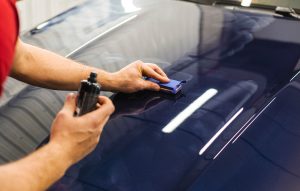
• Wax the body. Your vehicle’s body should be waxed or sprayed with some type of protectant to help shield the paint from the ultraviolet rays from the sun, and summer smog in urban areas.
• Keep your cool. Buy a sun shade for the windshield to reflect light so the interior doesn’t get so hot if the vehicle is parked in direct sunlight. Also, close the sunroof sunshade, and leave the windows cracked so hot air can escape. This can lighten the cooling load on the air conditioner when the vehicle is first started, and prevent you from getting a hot seat or burning yourself on hot interior surfaces.
• Protect yourself. Wear a hat and sun screen, and carry a bottle of water in the car in case you get stuck for a long period of time in traffic or have a break-down on a hot day.
Roman says these precautions should be enough to keep you and your vehicle cool. Of course bad things happen at the absolute worst time, but taking some simple preventative measures should drastically lower the risk of them happening to you.
About Smart Motors Toyota In Madison, WI
Smart Motors was founded in 1908 by O.D. Smart and is one of the nation’s oldest automotive dealerships, is the mid-west’s largest hybrid dealer and one of Wisconsin’s largest volume Toyota dealers. Located at 5901 Odana Road, Smart Motors is Wisconsin’s only two-time President’s Cabinet Award recipient from Toyota Motor Sales for superior customer service & sales volume. For more information, check out their history. visit https://www.smarttoyota.com/our-history.html
April is National Car Care Month
Cars, just like humans, need an annual checkup, and there’s no better time to do that than during National Car Care Month, which occurs throughout April.
National Car Care Month aims to get cars healthy and running in tip-top shape to keep automobiles functioning efficiently through the increased driving that occurs in the summer months. Some simple checkups can increase gas mileage and add to the lifetime of a vehicle.
“Car Care Month is just a really good time to make sure your car is running its best,” says Jason Vasen, Master Diagnostic Technician at Smart Motors. “A car is an investment; so paying attention and taking proper care of it is much better than paying thousands of dollars to replace it later.”

Vasen cites several common trouble areas as spots to pay attention to during Car Care Month and any other time of the year. Tires, filters, oil, interior, and exterior.
“The great part about these is just about anyone can perform these functions at home—specialized tools aren’t really necessary,” says Vasen.
Tires
When tires are not correctly inflated, they just don’t perform properly. With a simple tire gauge that costs under $10, people can see if tires are at the manufacturer’s suggested level. The vehicle suggested inflation level is usually found on a sticker inside the driver’s side door or the glovebox or in the owner’s manual.
And it is good to be at the proper level. For every three PSI (Pounds per Square Inch) below that level a car tire loses, it becomes one percent less efficient and wears 10 percent faster. These numbers add up cumulatively, so if a car is 10 PSI under, that’s over three percent of wasted fuel every time someone gets behind the wheel. If someone doesn’t want to get a tire gauge, just keep in mind, looks aren’t deceiving. If the tire looks low, it is most likely low.
Filters
The vast majority of vehicles have internal combustion engines. And the science behind combustion requires both a fuel source and air. If this air isn’t clean, it will hamper the combustion process, which is why cars have engine air filters. However, if these filters are dirty, they will let these impurities through and decrease efficiency by up to seven percent.
To check the air filter, look in the owner’s manual and find out where the filter is located. Then pop open the hood and remove the filter. Hold it up to the sun; if light streams through, the filter is good. If not, drop it on the ground several times and retest. If sunlight is still not visible, a new filter is required.
Oil Change & Tire Rotation
Everyone knows cars need oil changes, but why? The purpose of oil in a car engine is to keep all internal parts lubricated and running smoothly. As oil ages or gets used, it breaks down and its lubricating properties diminish. An oil change replaces the dirty oil and allows parts to be freshly lubricated with new oil.
Almost all models of cars include an engine oil dipstick to allow people to check the vehicles engine oil level. Locate the dipstick, pull it out, and place it back in the engine, ensuring it goes all the way down. Pull it out, and without changing the orientation, see where the oily part meets the dry part, if it’s between the two marks on the stick, the oil level is good.
Exterior
A winter season full of salt and sand can do a number on the exterior and can even lead to rusting. As temperatures rise, it’s advised to visit a good car wash, one that gets all of the random debris not only off the car, but from underneath the car as well. Waxing a car helps the exterior paint last longer and shine. Instead of applying one heavy coat of wax, apply several thin coats, after the previous coat has cured. This technique will bring out the vehicles best color and depth.
Interior
A good thorough cleaning of carpet and upholstery will remove stains, and winter’s tracked in salty residue. This will leave the car clean and smelling fresh. A word of caution when cleaning windows, do not use a glass cleaner to clean the rear window, as this can cause damage to the rear window defogger heater wires.
Smart Motors
Founded in 1908 by O.D. Smart, Smart Motors is one of the nation’s oldest automotive dealerships, is the mid-west’s largest hybrid dealer and one of Wisconsin’s largest volume Toyota dealers. Located at 5901 Odana Road, Smart Motors is Wisconsin’s only two-time President’s Cabinet Award recipient from Toyota Motor Sales for superior customer service & sales volume. Dealership’s History.
When Roads Go To Pot… Holes

Potholes Can Cause a Lot of Damage
Spring time in Wisconsin is like when a bear comes out of hibernation. Daytime temperatures are pushing 50 degrees, Wisconsinites are sporting shorts and short sleeve shirts, but when the winter frost leaves our roadways we are left with those pesky “potholes” which can cause damage to our vehicle’s alignment. The constant freezing and unfreezing of water on roadways can wreak havoc, forming supersize potholes destroying the underside of your vehicle. The automotive specialists at Smart Motors service department have the following advice to help prevent and notice pothole-related damage.
Visible damage is the easiest to detect, but may not be the only indication your vehicle needs some attention. One obvious sign of tire damage is when a tire ‘bulges’; which occurs when the steel/fiber ply belt in the sidewall of a tire breaks due to a heavy impact. Luis Roman, Assistant Service Manager at Smart Motors Service Center, says even if your tires don’t have bulges does not necessarily mean you are free from the damage of potholes.
Warning Signs of Pothole Damage
If your vehicle pulls to one side, or your steering wheel is visibly off center, Roman suggests being on the safe side and schedule an appointment with a reputable automotive service center and getting an assessment. This way, the vehicle’s alignment and other signs of damage can be analyzed and fixed before they become a major problem. Repair costs can vary greatly depending on the extent of damaged parts; from a $200 strut to several thousand dollars for an entire suspension system and cradle.
Roman also offers these tips to help protect vehicles against the jarring experience of a pothole encounter:
Tips to Protect your Vehicle from Pesky Potholes
• Maintain full air pressure in all tires to provide as much cushion as possible between the pothole and the rim of the tire. Consult the vehicle owner’s manual for the correct pressure.
• Watch for potholes by leaving plenty of space between your vehicle and the one in front of you.
• If a pothole cannot be avoided, slow down BEFORE hitting the pothole. Hitting a pothole at high speed increases the chance of damage to tires, wheels, shocks, struts or springs.
• When driving over a pothole-filled road, hold the steering wheel firmly to avoid losing control.
• Do NOT brake when directly over a pothole. Applying the brakes causes the car’s weight to shift to the front of the wheel and can increase damage from the impact.
• Beware of water that may be concealing a deep pothole.
About Smart Motors
Smart Motors was founded in 1908 by O.D. Smart and is one of the nation’s oldest automotive dealerships, is the mid-west’s largest hybrid dealer, is one of Wisconsin’s largest volume Toyota dealers and is Wisconsin’s largest Toyota Certified Used dealer. Located at 5901 Odana Road, Smart Motors is Wisconsin’s only two-time President’s Cabinet Award recipient from Toyota Motor Sales for superior customer service & sales volume. For more information visit their history page.
“Headhunting” Used Vehicles to Fill Local Car Lot
Local Dealer Buys All Makes and Models.

If you’ve ever posted your resume online, you know that rush and sense of excitement when you receive an unsolicited response to it. A recruiter has somehow found you, and you might be a perfect match for a position within the representative’s company or organization. In modern slang, you’ve been headhunted, and it makes you feel like you’re someone special.
Employment headhunters are out in full force when there are positions to be filled but few qualified applicants. They scour the online job boards, searching for key words that seem promising. They then invite the presumably qualified jobseeker to apply for an open position. Can this “headhunter” model be modified and utilized by other industries? For Smart Motors Used Cars in Madison Wisconsin the answer is a definite YES!
Reduced Production. Low Dealership Inventory. High Consumer Demand
It’s no secret there is a new vehicle shortage. New cars, trucks, SUVs and everything in between are in high demand, yet hard to come by, especially if a buyer is looking for immediate gratification.
So what is the consumer supposed to do when he or she needs an upgraded vehicle? One easy answer would be to invest in a quality previously owned vehicle, and yet those are not immune to the high demand and low supply economic concept either.
To help alleviate the previously owned vehicle shortage, Smart Motors in Madison has taken a proactive stance and has added T.J. Johnson as a “vehicle acquisition manager” to their team. In other words, they hired a headhunter who looks for cars instead of people to fill in the empty spaces.

“In Smart Motors’ 113-year history, they’ve never had anyone hired as a vehicle acquisition manager before,” says Johnson, a 40-year veteran in the automotive retail industry. “But in this market, it was necessary to think outside the box, so here I am!”
Misconceptions When Selling Your Vehicle
Johnson points out there is a widespread misconception if someone wants to sell their vehicle, they’re going to get the most bang for their buck if they sell it outright instead of going through a dealership.
“That just isn’t the case right now,” he says. “The market conditions are so strong at this time, people will be surprised how much their vehicle is worth to a trusted dealership like Smart Motors.” Johnson claims a thorough inspection of a vehicle can be done and an offer made in usually less than an hour.
Technology Makes Selling Easier for Consumers
While it would be ideal for people to simply bring in their used vehicle, Johnson can’t rely on that to keep up with demand for quality previously owned vehicles. He has had to reach out to potential sellers in ways that really haven’t been done before.
“In the past, we used to go to only go to auctions to keep our inventory up,” he says. “That’s not enough in this market.”
Given this, Johnson, like a headhunter in a tight labor market, has turned to seeking sellers via social media, email and good’ol networking.
“We have invested in some new technology giving us some insight into available inventory in the market, plus after 40 years in the business, I have a strong understanding of the types of vehicles people in the Madison-area are most likely to buy,” he says. “When I come across a vehicle we’re interested in, I reach out and explain how Smart Motors might be their best bet to getting a fair price for their vehicle with a process that is fast, easy and doesn’t require the seller to do a lot of extra work.”
Used Car Supply. Market Demand & Vehicle Condition
Johnson says he also uses the Smart Motors’ website to locate potential sellers and followed up on referrals made by third parties. By having a page on their website specifically devoted to the ease of selling a vehicle to the dealership, it has made things simpler for car sellers. At SmartBuysCars.com, sellers get an instant offer on their vehicle in less than three-minutes and is based on factors such as market demand for their vehicle, the number of vehicles like theirs available in the market and the considerations made to a vehicle’s sellable condition.
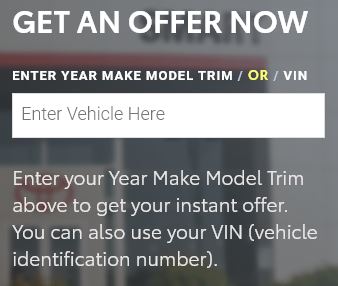
“SmartBuysCars.com is a great starting point for people to get a good idea of what we will offer them,” Johnson says. “But the best way to get the best price for a used vehicle is to bring ‘er in and let me assess it first-hand.”
He has also approached customers of the dealership’s service department while they’re waiting for their car to be serviced. “If I see a vehicle in to be serviced that has potential, you better believe I’m going to talk to the current owner about it,” he says.
In today’s tight automotive market, this is one way Smart Motors continues to strive to be proactive in meeting consumer demands.
About Smart Motors
Smart Motors was founded in 1908 by O.D. Smart and is one of the nation’s oldest automotive dealerships, is the mid-west’s largest hybrid dealer and one of Wisconsin’s largest volume Toyota dealers. Located at 5901 Odana Road, Smart Motors is Wisconsin’s only two-time President’s Cabinet Award recipient from Toyota Motor Sales for superior customer service & sales volume. For more information visit their history page on their website.

Customers Love Smart Motors Used Cars based on Verified Customer Ratings.
Smart Motors Used Cars, 5710 Odana Road in Madison Wisconsin, is being recognized in the third annual CARFAX Top-Rated Dealer Program. The 2021 CARFAX Top-Rated Dealers received an average of 4.6 stars, out of a possible five. This elite group of dealers is being celebrated for their exceptional customer service and overall commitment to providing the best possible buying experience for their guests.
Verified Customers Reviews
“CARFAX has nearly 3.3 million verified customer ratings and reviews,” said Gregg Cleary, CARFAX Vice President of Dealer Business. “This isn’t an ‘everyone gets a trophy situation’; we are recognizing truly the best of the best when it comes to remarkable service and customer care. These dealers were selected based solely on verified reviews from their actual customers.”
Local Dealer Recognized
Smart Motors Used Cars has been among the honored dealers since CARFAX began recognizing exceptional dealers three years ago. “Commitment to quality, customer satisfaction and continuous improvement are our core values”, said Justin Jackson, General Sales Manager at Smart Motors. “Providing our guests with a defect-free experience, timeliness in response to questions and inquiries, a consistent & transparent buying process, and above all, a caring attitude toward our guests’ needs is what our team does best”, noted Jackson.
You can look for Smart Motors Used Car’s 2021 CARFAX Top-Rated Dealer recognition on the CARFAX Vehicle History Reports they provide to their customers.
Building on the Customers Experience
Since opening their new Used Vehicle facility at 5710 Odana Road nearly three years ago, Smart Motors Used Cars has upped their vehicle selection and sales volume, while at the same time, revving up their customer experience and overall customer satisfaction to a whole new level. From Toyota Certified Used Vehicles and vehicles for under $15,000, to offering cars, trucks, SUVs and min-vans from Honda, Subaru, Ford, Jeep, Chrysler, GMC and Chevrolet, Smart Motors Used Cars offers something for everyone. Beyond the vehicles themselves, Smart exclusively offers Smart Originals, includes a SmartCare Maintenance Plan with the majority of vehicles offered for sale and most recently is now offering to purchase vehicles directly from the general public via their Smart Buys Cars program.
About Smart Motors
Smart Motors was founded in 1908 by O.D. Smart and is one of the nation’s oldest automotive dealerships, is the mid-west’s largest hybrid dealer and one of Wisconsin’s largest volume Toyota dealers. Located at 5901 Odana Road, Smart Motors is Wisconsin’s only two-time President’s Cabinet Award recipient from Toyota Motor Sales for superior customer service & sales volume. For more information about Smart Motors, visit their history page.
About CARFAX
CARFAX, part of IHS Markit (NYSE: INFO), helps millions of people every day confidently shop, buy, service and sell used cars with innovative solutions powered by CARFAX vehicle history information. The expert in vehicle history since 1984, CARFAX provides exclusive services like CARFAX Used Car Listings, CARFAX Car Care, CARFAX History-Based Value and the flagship CARFAX® Vehicle History Report™ to consumers and the automotive industry. CARFAX owns the world’s largest vehicle history database and is nationally recognized as a top workplace by The Washington Post and Glassdoor.com. Shop, Buy, Service, Sell – Show me the CARFAX™. Based in London, IHS Markit is a world leader in critical information, analytics and solutions
Winter. Should You Wash Your Vehicle or Not?
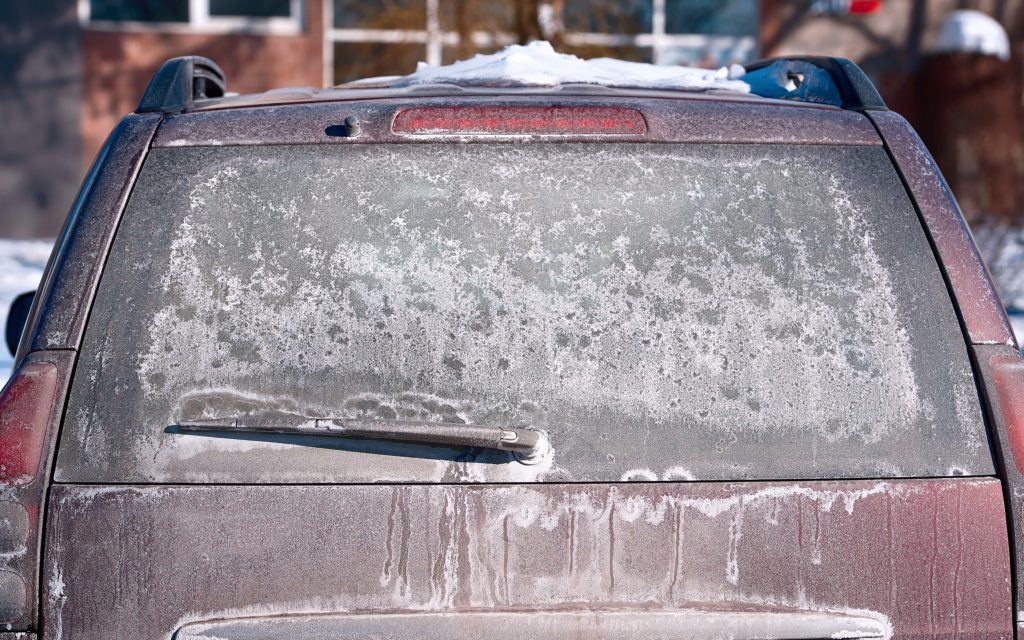
Is it worth it, really? Should I wash my vehicle, or just wait for spring? Under normal circumstances most vehicle owners love their car. It’s like an old friend, cheerfully waiting to take you where you need to go. But as the winter months in Wisconsin drag on, you find your feelings changing toward your tried and true buddy. To wash or not to wash; now that’s the question. What was once a summer time escape from reality, suddenly becomes a chore. Come February and March, if you have not washed your vehicle, it becomes salt-covered, sludgy, dishwater-hued beast that is almost indecipherable from most of the other vehicles on the road. And the worst part is you don’t know what you should do about it.
Part of you thinks you should probably wash the poor thing, but at the same time, it’s Wisconsin – it’s going to snow again, plus the streets are just going to be salted again. And on those rare breaks when the temperatures climb into the 40s, everyone and their uncle are in line to run their vehicles through the car wash. Do you just let it go?
Jason Vasen, Master Diagnostic Technician at Smart Motors, says you should absolutely not let it go.

“Salt may keep the streets safe to drive on, but it’s a terrible thing to have on your car for extended periods of time,” Vasen says. “Salt leads to oxidation and rust. It can take years off the life expectancy of your vehicle.”
Car Wash; Outside temperature matters
Vasen says Wisconsinites ideally should wash their cars, trucks and SUVs about once every two weeks even in the dead of winter though only wash when outdoor temperatures are in the upper 30’s or in the 40’s to ensure doors and windows won’t freeze. If you’re fortunate to have a heated or well insulated garage, you could push this to temps a little lower, but it’s always a good idea to dry off your vehicle as well. Pop the hood, open the doors, including hatch/truck and dry them off.
Not all car washes are created equal
“You want to make sure it’s a quality wash, too,” he says. “Just washing the pretty parts may save your paint job for a few years, but it’s incredibly important to make sure salt and slush are removed from the wheel wells and undercarriage.” A touchless car wash with an underbody high pressure spray option/cycle is what you’ll want to look for to help remove the salt, sand and grim from those hard to reach spots.
When salt builds up on the wheel wells and undercarriage, it attacks the vehicle’s braking system and suspension, both of which could lead to dangerous situations on the roads. They are both expensive to repair, too, so making sure they are salt-free could save you money down the line.
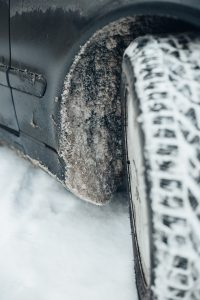
“Drivers can also get ahead of the game through routine maintenance,” Vasen says. “Quality mechanics will check for any issues and lubricate or use corrosion inhibitors on parts as needed for the winter months.” And don’t forget wiper blades. They are an inexpensive way to ensure clear vision.
Did you know?
Where one parks during the winter can also play a role in how much damage is or isn’t done to a vehicle because of slushy and salty conditions. Ironically, vehicles parked outside for the duration typically experience less body damage than those that are garage kept. This is because the freezing temperatures do not allow the slush to melt, so it slows down the overall corrosiveness of the salt.
“Bottom line; regardless of whether you store your vehicle inside or outside, it really is worth the time, effort and money to make every attempt to keep it clean,” Vasen says.
Jason Vasen is a Master Diagnostic Technician at Smart Motors – Madison, WI, and was founded in 1908 by O.D. Smart and is one of the nation’s oldest automotive dealerships, is the mid-west’s largest hybrid dealer and one of Wisconsin’s largest volume Toyota dealers. Located at 5901 Odana Road, Smart Motors is Wisconsin’s only two-time President’s Cabinet Award recipient from Toyota Motor Sales for superior customer service & sales volume. See their history page for more details.
Safely Jumpstarting Your Vehicle.
Tips & Safe Start Guide
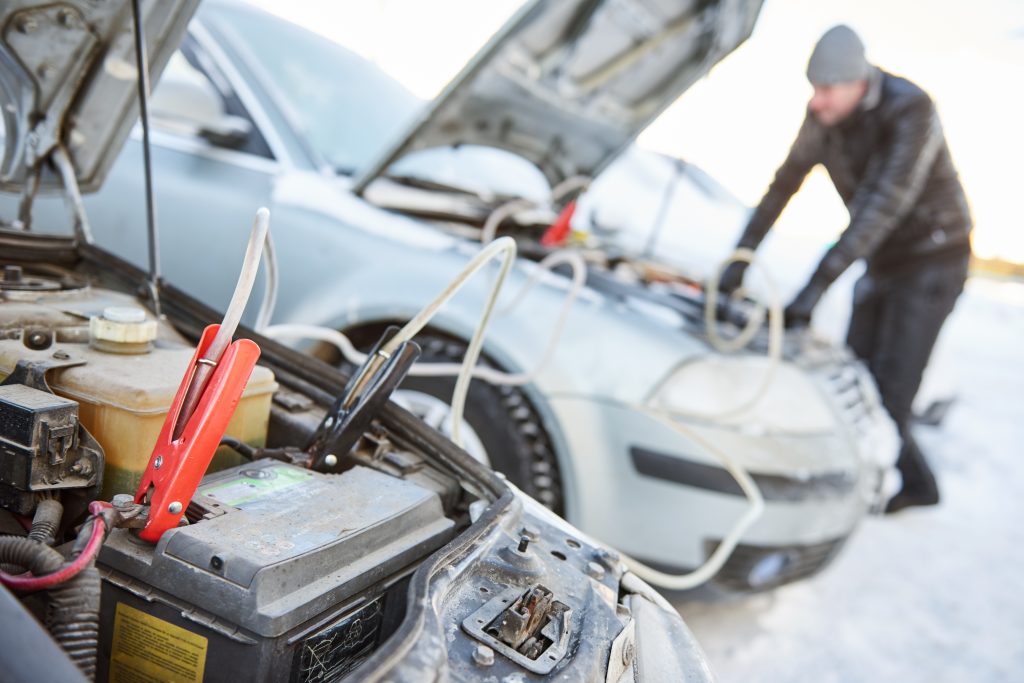
Icy roads, plows shooting up clouds of snow and blinding light bouncing off packed snow cause all sorts of problems for Wisconsin’s drivers, but one of winter’s worst effects come before people even hit the road—winter causes discharged car batteries and vehicle jumpstarting presents a fair share of issues.
Discharged (dead) batteries won’t jumpstart
Car batteries often become discharged in the winter because the cold affects the vehicle in two ways;
- A cold battery has less cranking power than a battery at normal temperature.
- Cold oil is thick oil, and thick oil is harder to turn over in the engine.
While these traits occur independently of each other, they combine and make it harder for vehicles to start, effectively draining a battery down. A discharged battery can oftentimes be recharged and work fine, but immediate action is necessary as a discharged battery could freeze making it unable to be recharged, thus possibly ruining the battery. Charged batteries will not freeze. There are warning signs your battery may be failing.
Traditional Vehicle Batteries vs Hybrid Vehicle Batteries
Discharged batteries can occur in both traditional cars as well as more modern hybrid vehicles. And while many people might know how to jump start a traditional car, the precautions necessary for either jump starting or receiving a jump from a hybrid are slightly different, yet hybrid owners might not even realize this.
“The hybrid is a fundamentally different design and has batteries located in different spots and takes on power differently,” says Smart Motors Master Diagnostic Technician Jason Vasen. “Hybrids with the 12 volt battery inside the passenger compartment like the Prius use an AGM battery which uses absorbed glass mats so there is no “loose” liquid to spray. Some hybrids use conventional 12 volt batteries located outside the passenger compartment which do carry the concern of potential explosion.”
How can one be safe when jump starting a hybrid? Smart Motors’ Jason Vasen put together the following checklists for how to keep vehicles safe and fully powered even through the worst of winter’s fury.
Jumpstarting a hybrid vehicle
- Don’t make a practice of using your hybrid to jump start other vehicles as you could greatly damage the discharged vehicle’s electrical system.
- Apply the parking brake and turn off the headlight switch and interior light.
- Turn off the hybrid system and remove the key if inserted.
- Open the hood; fuse block cover, and exclusive jump starting terminal cover.
- Connect positive clamp (red) jumper cable to the exclusive jump starting terminal.
- Connect the negative clamp (black) to a solid, stationary, unpainted, metallic point of the vehicle with the discharged battery.
- If the booster battery is installed in another vehicle, make sure the vehicles are not touching. Turn off all unnecessary lights and accessories.
- When boosting, use the battery of matching or higher quality. Any other battery may make for a difficult start.
- Allow the discharged battery to rest with the jumper cables connected for approximately 5 minutes. At this time, run the engine in the vehicle with the booster battery at about 2,000 RPM with the accelerator pedal lightly depressed.
- Start the hybrid system. Make sure the “READY” light is on.
- Disconnect the cables in reverse order: the negative cable and then the positive cable.
Jumpstarting a traditional vehicle
- Park the booster vehicle close but not touching the one that needs to be jumped.
- Begin the process by clamping one of the positive jumper cable ends (red) to the positive battery terminal (labeled with a “+” on the battery) of the discharged vehicle.
- Connect the other end of the positive cable (red) to the positive battery terminal on the booster vehicle (again, confirm that a “+” is next to the battery terminal).
- Connect the negative cable end (black) to the negative battery terminal on the booster car (marked with a “-“). Finally, attach the other end of the negative cable to an unpainted metal surface on the engine of the discharged car.
- Start the discharged vehicle and let the two vehicles idle for a few minutes.
- Once the discharged vehicle is started and running smoothly, disconnect the jumper cables in the reverse order that they were connected.
- Drive the revived car to somewhere safe and secure before shutting off the engine.
Smart Motors was founded in 1908 by O.D. Smart and is one of the nation’s oldest automotive dealerships. Smart Motors is the mid-west’s largest hybrid dealer, and is located at 5901 Odana Road, Smart Motors is Wisconsin’s only dealership to have ever earned the coveted President’s Cabinet Award from Toyota Motor Sales. This award is only given to the top 12 dealerships nationwide for superior customer service & sales volume. To learn more about Smart Motors, visit their dealership history page.
Since early 2020, American consumers have had to come to terms with a new kind of normal. Products and services are not as plentiful as we’ve grown accustomed to. Covid-19 and the occasional freak weather patterns have wreaked havoc on a number of industries in many ways, especially in terms of shortages. The restaurant industry is struggling to hire viable and reliable employees. Grocery stores are out of products, specifically goods originating from meat-packing plants. And we all know how paper products like toilet paper were hard to come by for many months. Nearly all industries are having some growing pains adapting to the unavoidable changes taking place, including automobile manufacturers.
Madisonians have noticed the dearth of new vehicles for the past several months when they pass by Smart Toyota on Odana Road. What has been a car lot brimming with options for decades has suddenly become a sort of ghost town with only a handful or so of vehicles on the lot.
“It’s a very noticeable difference,” says Smart Toyota’s sales director Justin Jackson. “We normally have 400 or more new vehicles on the lot, but since mid-April 2021 we’ve seen a steady decline in the number of New Toyotas we have on the lot. Now we only have maybe 5 to 10 new vehicles physically at the store.”
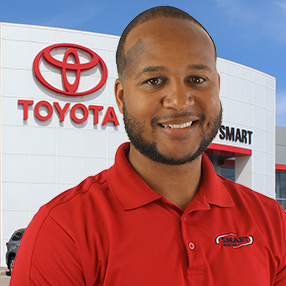
Sales Director
Smart Toyota – Madison, WI
Jackson says the pandemic is partially to blame for the shortage because modern vehicles rely on computer chips which became scarce due to manufacturers reallocating them to industries other than automotive. Then, early in 2021 the issue in new vehicle manufacturing were winter storms that crippled Texas-based businesses that are critical in the manufacturing of foam for seats.
“If it’s not one thing it’s another,” says Jackson. “We’ve got the chips, but because of the power issues Texas faced in the Spring of 2021, we didn’t have enough foam padding for the seats, and today, as production ramps up, it’s supply chain and logistical issues.”
It’s Not All Doom and Gloom
Those looking to purchase a new vehicle seem to understand the slow-down in global manufacturing, Jackson says. Instead of getting upset they can’t drive off the lot with a vehicle they think is “good enough,” consumers are now more apt to customize and pre-order a vehicle specifically made to their specifications.
“It’s kind of cool how people have adapted,” says Jackson. “They might not get that prior sense of immediate gratification of new car ownership, but they get to experience something else: personalization.”
Jackson explains the process of pre-ordering has been well-received for a few reasons, one of which is the compassion the consumer feels about simple logistics as they relate to inventory issues in this day and age.
Vehicle Customization increases satisfaction
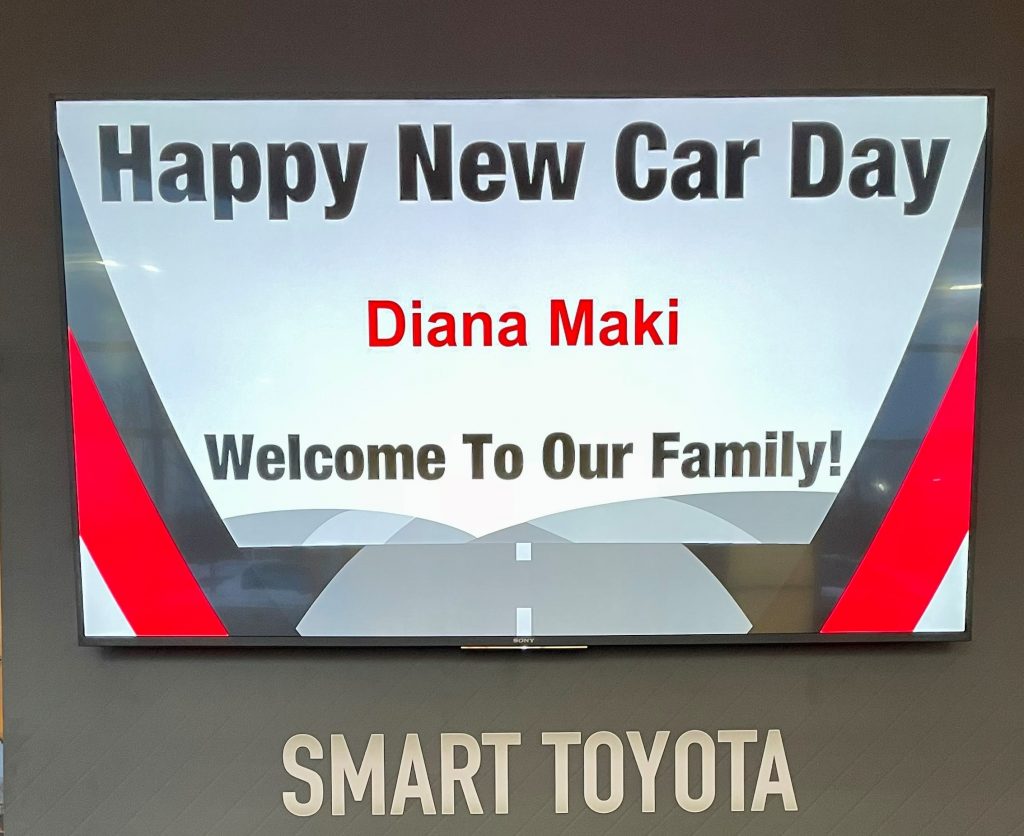
“They also really like the fact we can get them exactly what they want; from safety features and amenities, to color preference,” says Jackson. “And when their customized vehicle comes in – usually in about 45 days – they are over the moon when they see the Happy New Car Day sign bearing their name saying the car was made specifically for them. It takes ‘ownership’ to a whole new level.”
Custom Pre-Orders on the Rise
Jackson says about five percent of Smart’s new vehicle sales used to be custom ordered. Today the percentage has skyrocketed to about 50 percent of the dealership’s monthly new car sales. And, Jackson notes, when a consumer has all the customizable options at his or her disposal, no one opts for a base model in order to save a buck or two.
“Often times, though, it’s not options that are the most appealing aspect of pre-ordering,” says Jackson. “Instead, currently, there has been a surge in hybrid vehicle sales. And now in winter, AWD (all-wheel drive) vehicles will see a spike in popularity.”
If you know you are going to order a customized vehicle, Jackson says it might be best to do a little homework prior to meeting with a sales consultant.
“People take a lot of amenities for granted, but if you’re customizing, you should consider some of the following options,” he says.
Custom Pre-Order Checklist
- Entertainment & Communications: think about your stereo system. Do you still need a CD player? How about satellite radio capability? Hands-free phone control? A video system? Navigation?
- Comfort & Convenience: this includes upholstery, heated/cooled seats, power door locks, keyless entry, dual climate control, etc.
- Safety: the simple rule of thumb is the more you can install, the more secure you’ll feel. If you can, opt for dual air bags, anti-lock brakes, traction control, cruise control, and parking assist systems.
- Appearance: the most enjoyable aspect of customizing is picking out your paint, trim, and wheels.
- Performance: what do you need to get from point A to point B in your daily life? A larger engine? Sport suspension? 4-wheel drive? Automatic transmission or stick?
Jackson says while customers are not complaining right now about having to customize and then wait for their new ride, he anticipates their patience won’t last forever. However, he also doesn’t see new vehicle inventory returning to “normal” in the immediate future, and with customer satisfaction currently at such a high level he’s not overly anxious about it.
“At this point, we do not see ‘ground stock’ (vehicles physically on the lot) back to our previously average levels before the end of the year,” he says. “That could change, but we really don’t see it happening until late 2022.”
Connect with us
