



You open your car door, a blast of heat nearly knocks you out. You pause for a moment and contemplate just how toasty your seat is, not to mention your steering wheel. You take the plunge and inch into the vehicle. Hot! Hot! Hot! No worries, though. You know your air conditioner will kick in in no time. You hold your face near the air vent and wait … why isn’t there cool air flowing? You turn some knobs and flick some switches, and still nothing. Your A/C IS BROKEN!!!
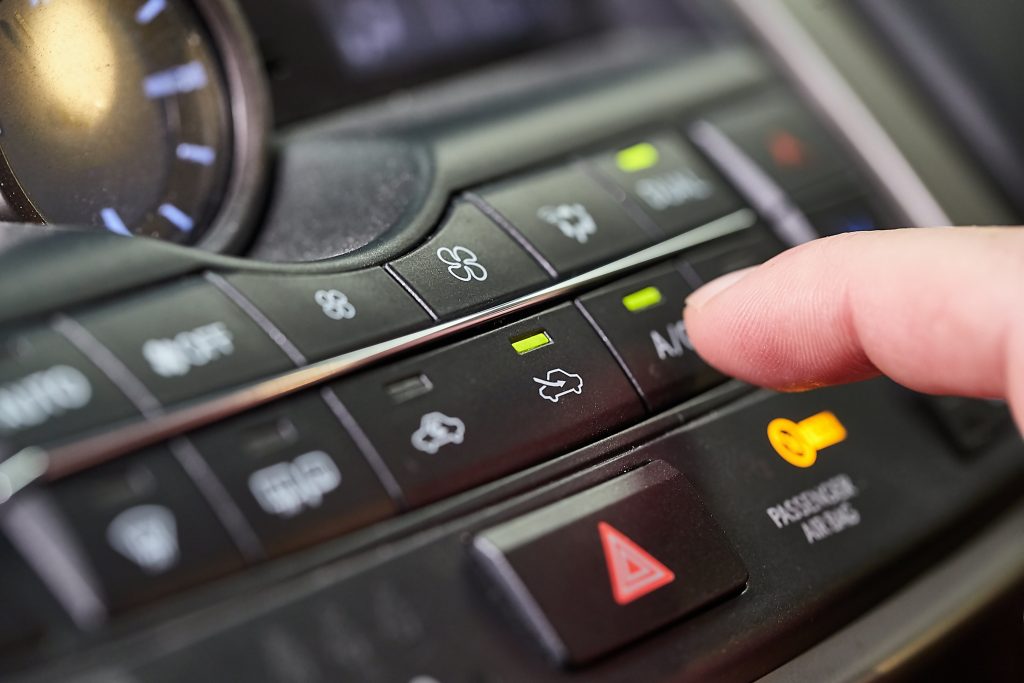
Jake Schaefer, service director at Smart Motors in Madison, says there are many steps one can take to avoid such a sticky situation. “Wisconsinites know how important it is to winterize their vehicles, but often neglect to ‘summer-ize’ them, too,” Schaefer says. “While some things can easily be done by the owner, there are also some where a service professional comes in handy.”
Schaefer says it is wise to have a service technician thoroughly inspect your vehicle’s HVAC (heating, ventilating and air conditioning) system at least once a year. Often you can request this service in conjunction with another service such as an oil change.
Typical A/C service consists of the following steps:
• A visual inspection of hoses, lines, seals and other components for leaks as well as inspecting the drive belt for cracks or damage.
• A check of pressures to test operation, refrigerant charge and outlet temperatures.
• If the system is found to be low on refrigerant, a leak test is performed to find the source of the leak. Keep in mind that if your vehicle is leaking refrigerant, it is damaging the ozone layer.
• A/C service should also include a check of the compressor’s drive belt and tension.
These measures should be enough to get you comfortably through the heat, but Schaefer says his team is trained to offer additional measures that will help your car stave off the heat of the street.
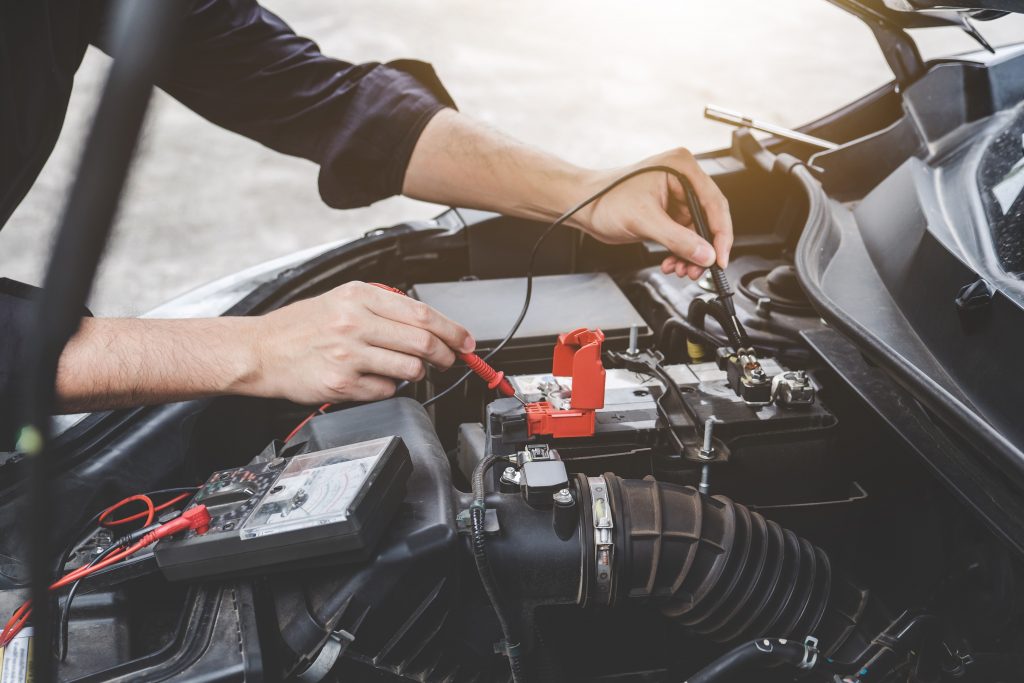
Testing Your Battery
Additional procedures that either the vehicle owner or service technician can perform are:
• Check the level and strength of the coolant. A low coolant level may allow your engine to overheat. Make sure the coolant reservoir is filled to the proper level. Wait until the engine has cooled to check the level inside the radiator. If low, add a 50/50 mixture of the specified coolant and water.
• Make sure the cooling fan works. The electric cooling fan should come on when the air conditioner is turned on to MAX. No fan may mean a defective fan motor, relay or electrical problem.
• Battery evaluation. Batteries are lasting longer than they used to but the key with a battery evaluation is in the testing which gives both the available cold cranking amps vs. what the battery is rated for and the second is a battery health check which indicates potential battery life and can often predict a battery failure before there are symptoms. Hot weather is actually harder on batteries than cold weather because it increases the rate of evaporation of the liquid electrolyte inside the battery.
• Change the oil. Replacing old dirty oil with fresh oil can increase the lubrication protection for your engine.
• Check or replace the windshield wipers. Natural rubber wiper blades have a limited life of a year or less. Sun exposure, extreme heat and cold all age the rubber and cause it to become hard and brittle.
• Check tires. Check the tire for wear, uneven wear, age cracks or damage. Check the inflation pressure in all the tires, including the spare. Underinflated tires makes the tires run hot and increases the risk of a blowout.
Lastly, Schafer says there are a few steps that vehicle owners can do themselves to stay cool:
• Wax the body. Your vehicle’s body should be waxed or sprayed with some type of protectant to help shield the paint from the ultraviolet rays from the sun, and summer smog in urban areas.
• Keep your cool. Buy a sun shade for the windshield to reflect light so the interior doesn’t get so hot if the vehicle is parked in direct sunlight. Also, close the sunroof sunshade, and leave the windows cracked so hot air can escape. This can lighten the cooling load on the air conditioner when the vehicle is first started, and prevent you from getting a hot seat or burning yourself on hot interior surfaces.
• Protect yourself. Wear a hat and sun screen, and carry a bottle of water in the car in case you get stuck for a long period of time in traffic or have a break-down on a hot day.
Schaefer says these precautions should be enough to keep you and your vehicle cool. Of course bad things happen at the absolute worst time, but taking some simple preventative measure should drastically lower the risk of them happening to you.
Connect with us
